
 E-Paper



Commercial vehicle operators protest steep hike in panic button price
The associations attribute the price escalation to the state government’s act of making it mandatory to acquire the VLT devices and panic buttons from a list of nominated manufacturers

 Prefer HTon Google


MUMBAI: Private bus and taxi operators are up in arms against the steep hike in the cost of vehicle location-tracking devices (VLTs) and panic buttons, the installation of which is mandatory for commercial vehicles. Several associations of inter-state and inter-city buses, school buses, tourist taxis and aggregator cabs have made representations and raised their concerns about this with the state transport department.
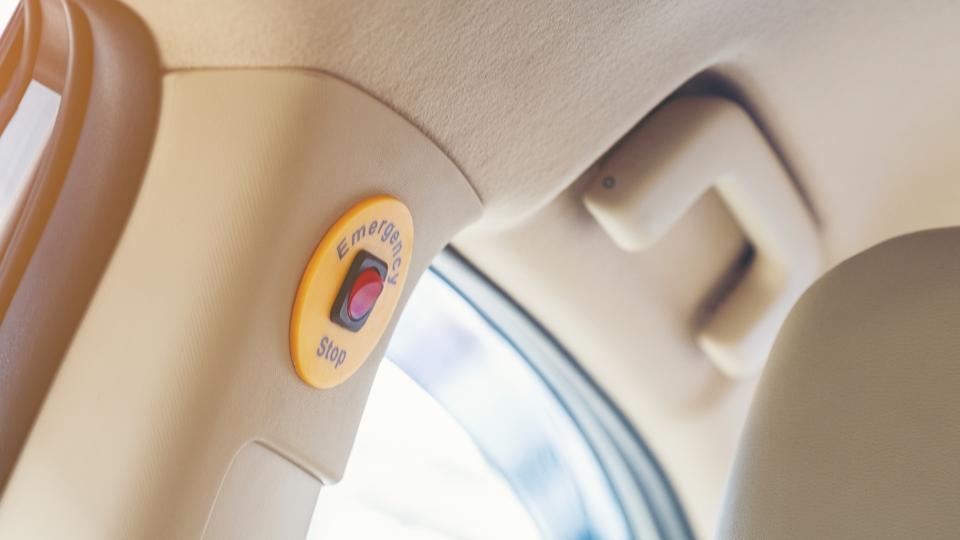
The associations attribute the price escalation to the state government’s act of making it mandatory to acquire the VLT devices and panic buttons from a list of nominated manufacturers. Sources in the RTOs said that the government had nominated six such manufacturers, the majority of whom are from North India. “This has resulted in a monopoly,” said a member of the Bus and Car Owners Confederation of India (BOCI). “Every new commercial vehicle has to be installed with this expensive device, and now even vehicles that were on the road before the rule have been asked to install it.”
According to sources, about four years ago, the price of each VLT device was ₹4,500, with the panic button, which is attached to it, costing ₹250. “The price is now around ₹16,000 which is very steep,” said a member of the Mumbai Bus Malak Sanghatana which has written a letter to the state department about the spike. “In the open market, the prices continue to be ₹4,500 to 5,000 per device.”
A commercial four-wheeler is required to have two panic buttons, usually red-coloured. Likewise, a tourist bus has panic buttons on the sides of every alternate seat, taking the total to 10 to 12 panic buttons.
The panic button initiative was launched almost five years ago under the Nirbhaya Fund. Industry sources said that in Mumbai alone, there are over 2.50 lakh commercial vehicles, both buses and cars, of which 15% to 20% have already installed the panic buttons. Now older commercial vehicles too have been asked to install them, allegedly from the shortlisted manufacturers.
“What is more surprising is that we have been asked to replace the panic buttons every two years after their installation. This is an unwanted cost that we are forced to incur,” said another member of BOCI.
Government officials, however, denied the existence of a monopoly. “All manufacturers who have permission from the Automotive Research Association of India can sell panic buttons. There is no question of a cost hike, as barely any bus and taxi operators are installing them,” said state transport commissioner Vivek Bhimanwar.
In July, taxi and maxi cab associations in different cities of Karnataka protested against the installation of GPS and panic button devices on the ground that they were burdened by the steep hike in the cost of these.


