
 E-Paper



Maharashtra: 25% reduction in syllabus detrimental to state board students, say educationists
Over the past 16 months, an increasing number of educationists have been questioning the idea of reduced syllabus and examinations based on objective-type questions for the Maharashtra state board.


Maharashtra school education department recently slashed the state board syllabus for Classes 1 to 12 by 25% again, especially since the 2021-22 academic year is also being conducted online. A government resolution (GR) to this effect was released in the last week of June. The move has invited mixed reactions.
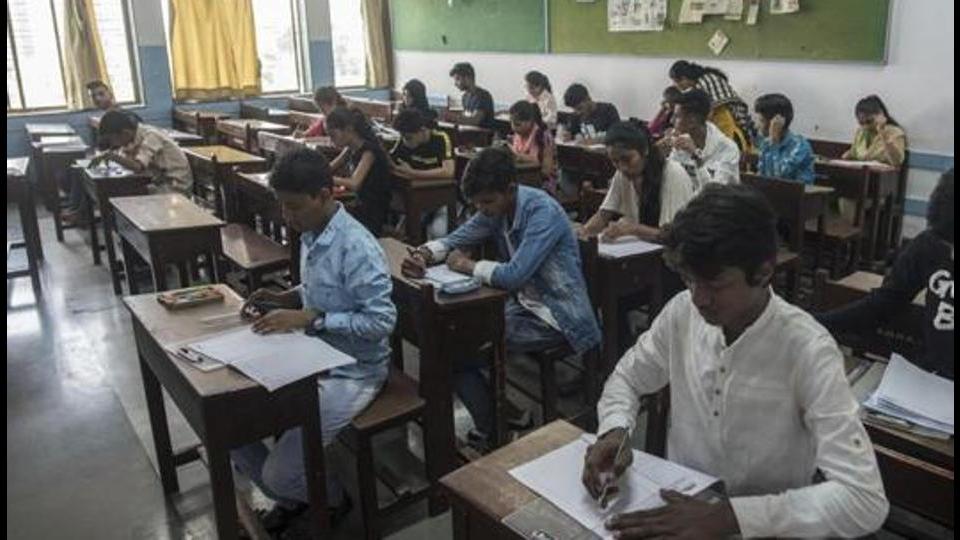
“Reducing syllabus year after year will have an effect on the students’ understanding of the subjects. Last year, too, even though the overall syllabus was reduced, schools ended up teaching everything because the topics were inter-related. Instead of reducing syllabus, education boards need to focus on changing their pedagogy to include better interaction among students and teachers and promote self-study techniques,” said Anuradha Prakash, former teacher and education expert. Over the past 16 months, an increasing number of educationists have been questioning the idea of reduced syllabus and examinations based on objective-type questions.
While the Maharashtra state board has opted for a reduced syllabus for the second year in a row, the Central Board of Secondary Education (CBSE) and Council of Indian School Certificate Examinations (CISCE) boards, which had reduced their respective syllabi by nearly 30% last year, has not made any such announcements for the 2021-22 academic year as yet.
“Covid-19 has forced school education to the online platform since 2020. With the second wave of Covid-19 pandemic affecting several parts of the country, the current 2021-22 academic year too has been pushed online. Based on the requests made by teachers as well as parent groups, we have decided to reduce the portion by 25% again this year for the benefit of students,” state school education minister Varsha Gaikwad said in a statement shared with media last week. “The measure is being taken in view of the reduced time permitted to organise classes and to help students achieve the learning objectives in a less stressful environment,” she added.
While many parent groups have responded positively to the syllabus reduction, many have also demanded better clarity. “Unlike CBSE which had made the revised syllabus fairly easy to understand for schools as well as students, the Maharashtra state board has left several questions unanswered once again this year. We are hopeful that the state board will release more clarity about their decision soon,” said Anubha Sahai president of Indiawide Parents’ Association.
Many have also questioned the idea of reducing syllabus, especially for Class 10 and 12. Former chairman of state education board Vasant Kalpande, who was part of the committee put together by the state last year to reduce the syllabus by 25% across classes 1 to 12 under the MSBSHSE, said, “Last year the pandemic was new and everyone was unaware of how long it’ll last; hence it was necessary to reduce the portion to give teachers and students ample time to complete the required portion and at the same time, also adjust to online learning. Sadly, the education boards have not learnt from the previous year and are instead continuing with the same pattern this year as well, which could be detrimental to students.”
In a statement released by the Central government last year it was announced that online classes cannot exceed more than three hours a day, especially for school children. This move came after parents and experts expressed concerns about the excess screen-time that children are exposed to on a daily basis. State board officials told HT that syllabus reduction is being encouraged to ensure the portion is covered within the given time at present.
Experts now feel that the need of the hour is to focus on retention of information in students over the time spent studying various subjects.
“Instead of focussing on how much of the syllabus can be completed in the time we have and the resources at hand, education boards should focus on learning outcomes. It is important to understand whether the syllabus that has been taught to students has been understood by them or not. Most boards are using innovative assessment methods now, and instead of reducing syllabus, schools should focus on ensuring better retention of information among their students,” added Kalpande.

Stay updated with all the Breaking News and Latest News from Mumbai. Click here for comprehensive coverage of top Cities including Bengaluru, Delhi, Hyderabad, and more across India along with Stay informed on the latest happenings in World News.


