
 E-Paper



State makes hospitals responsible for verification of organ donor, recipient documents
As per the circular, documents such as the Aadhaar Card, ration card and bank statements of both the recipient and donor should be verified and certified by the head of the institution

 Prefer HTon Google


Mumbai: In a move that is likely to affect the pace of organ transplants in the state, the Directorate of Medical Education and Research (DMER) in a circular dated April 11 has made hospitals accountable for reviewing and verifying that the organ donor is genuine, is donating her/his organ of free will, and there is no monetary transaction involved.
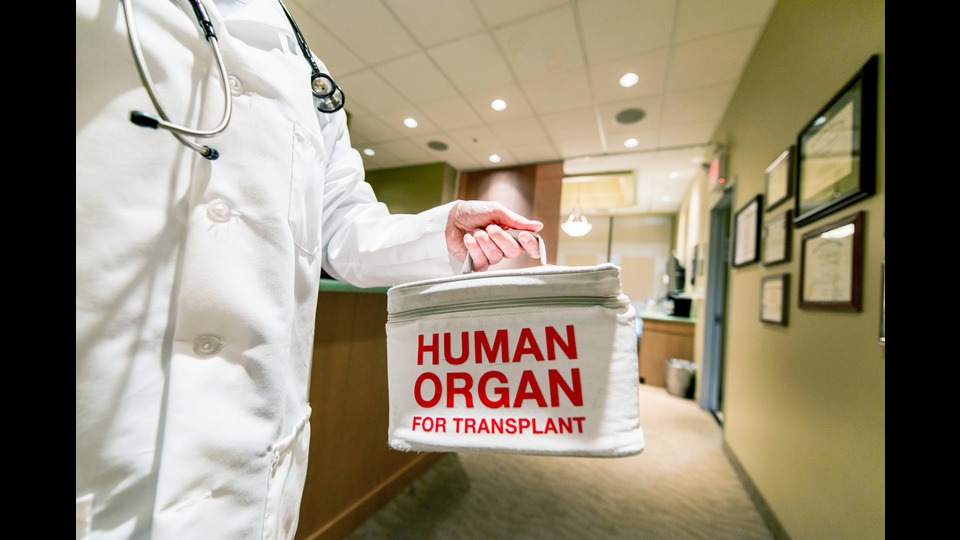
As per the circular, documents such as the Aadhaar Card, ration card and bank statements of both the recipient and donor should be verified and certified by the head of the institution before submitting them to the state-led authorisation committee.
“In any transplant case, the patient and their immediate relative are well known to the doctor since s/he is on a long course of treatment. Therefore, the hospital can easily verify whether the donor is genuine,” said Dr Deelip Mhaisekar, director, DMER.
The circular comes following an incident on March 29 where a woman (kidney donor), four days after undergoing the transplant surgery at Ruby Hall Clinic-Pune, revealed her real identity after she had had a dispute over money with the recipient. An inquiry was set up by DMER, which submitted its report to DMER two days back.
In the backdrop of the Pune kidney transplant row, a senior health official from DMER said the new circular by DMER holding the hospital accountable is necessary. “The Pune patient has been an end-stage kidney patient for the last five years and was undergoing dialysis during this period. A doctor and the hospital have been seeing the patient and his family thrice a week when he came for dialysis or regular follow up. They should have picked up that the woman presented as his wife is fake. Throughout the treatment course, both doctor and the hospital staff become well acquainted with the patient and his family,” said the official.
“During the investigation, we found that the woman, who posed as the recipient’s wife, was in her late 30s and had two children. The actual wife is in her late 20s and the couple has no children. These are small things that could have easily been picked up in medical examinations. It is difficult for the hospital to verify documents but these signs could have been picked up at the hospital,” said the official.
One of the recommendations submitted by the panel is the inclusion of retired police personnel on the WHOSE internal committee.
Meanwhile, private hospitals in Mumbai aren’t happy with the changes. The association of hospitals is planning to write to state health minister Rajesh Tope requesting a review of the circular.
“The Transplant of the Human Organ Act of 1994 states that the State Authorisation Committee will give permissions for unrelated transplants and also those hospitals doing less than 25 transplants in a year. This should be followed in letter and spirit,” said Dr Sujit Chatterjee, CEO of Dr LH Hiranandani Hospital, Powai and member of AOH.
He further said there are no appropriate online portals or platforms to authenticate every document submitted by the applicant. “We firmly believe that only the state or district level authorisation committee in coordination with the concerned government authorities can verify the authenticity of documents submitted by the applicant. The onus of confirming the authenticity of documents submitted by the applicant should be with the final approving authority,” said Dr Chatterjee.
Another CEO of a well-known South Mumbai Hospital with a robust kidney-liver-heart transplant programme said the latest circular will slow down the transplant programme and hospitals will be sceptical to go ahead with transplants. “There is a gradual rise in the organ transplant after the Covid pandemic. This is the need of the hour as we are experiencing a surge in non-communicable diseases. Commonly, kidney and liver transplants (due to end-stage renal disease and also the increased incidence of the fatty liver) and now with the effects of the long Covid, there is an uptick in the lung and also heart transplants. Such changes are going to slow down the transplant programme. Many hospitals won’t try to take the risk, and live transplants-kidney and liver, will get delayed,” said the doctor.


