
 E-Paper



Delhi’s LNJP hospital gets new CT scanner, MRI machines
New Delhi: Delhi chief minister Rekha Gupta on Thursday inaugurated a state-of-the-art 256-slice CT scanner and three advanced MRI machines at Lok Nayak Hospital, expanding diagnostic facilities at the government-run hospital

 Prefer HTon Google


New Delhi: Delhi chief minister Rekha Gupta on Thursday inaugurated a state-of-the-art 256-slice CT scanner and three advanced MRI machines at Lok Nayak Hospital, expanding diagnostic facilities at the government-run hospital.
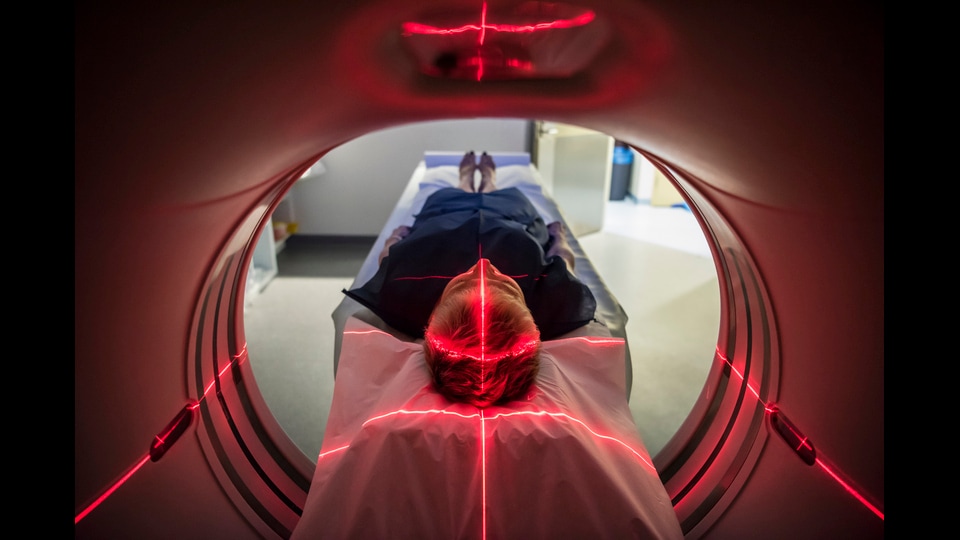
Indian Oil Corporation Limited (IOCL) provided the machines under its corporate social responsibility initiative as part of the Delhi government’s Seva Sankalp Abhiyan.
A 256-slice CT scanner is an advanced medical imaging device that captures 256 cross-sectional slices of the body per single rotation of the X-ray tube.
Health minister Pankaj Kumar Singh said the facilities would be provided free of cost to patients.
The new equipment is expected to strengthen diagnosis and treatment in emergency care, cardiology, oncology, neurology, urology, orthopaedics and paediatrics, the government said.
It will help detect conditions such as stroke, cancer, liver and prostate diseases, and bone and muscular disorders.
Gupta said no citizen should be denied quality healthcare because of financial constraints or other difficulties. She added that the government was focusing on modern medical technology, improved infrastructure, and timely diagnosis to strengthen public healthcare.
Lok Nayak Hospital serves many patients from densely populated areas of the capital, Singh said, adding that the government is expanding modern diagnostic facilities across its hospitals.
Highlighting other initiatives at Lok Nayak Hospital, Gupta referred to its Lactation Management Unit, which functions as a milk bank, and the installation of a nucleic acid testing machine to improve HIV and hepatitis screening and blood safety. She also mentioned a dedicated ward for patients with rare diseases.
The chief minister highlighted the Anmol Yojana, under which newborns are screened for potential genetic disorders using a blood sample collected shortly after birth. Early detection can help ensure timely treatment, she said.
Singh alleged that the previous government had failed to introduce adequate modern healthcare facilities during its 12-year tenure, adding that the present government was working to expand diagnostic and screening services.


