
 E-Paper



Pride Month: Queer folk in rural areas lack freedom to express identity, says Dr Aqsa Shaikh
Awareness and acceptance in urban areas is higher than in rural areas, which are more cohesive social structures as you are answerable to more people than just your family, said the doctor.

 Prefer HTon Google


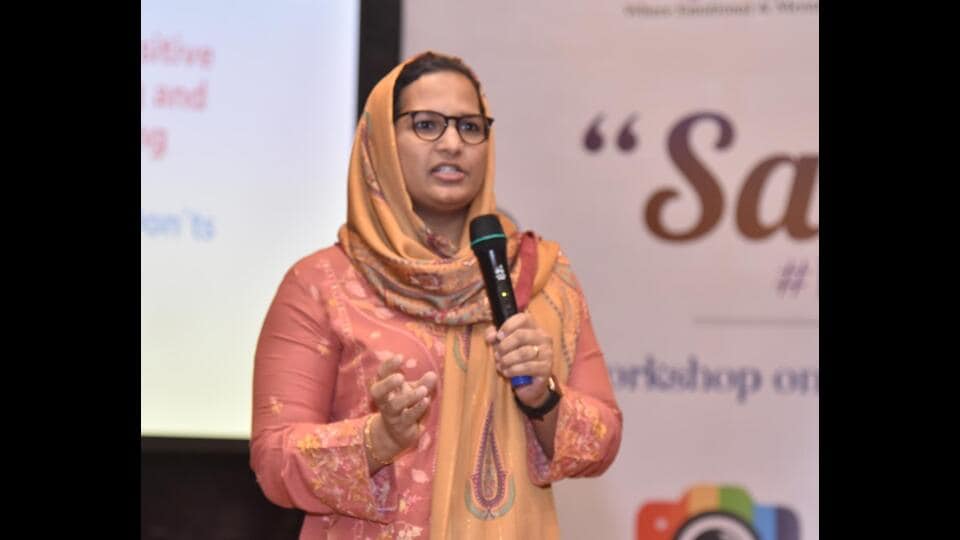
Outspoken LGBTQIA+ activist and first trans doctor to be posted at a Covid vaccination centre in India, Dr Aqsa Shaikh, has been an advocate for healthcare inclusivity and other gender issues. Last month, she actively participated in a media sensitisation programme on gender issues which was held by the Suramya Foundation in Lucknow. In an exclusive conversation with HT’s Sreya Deb, she spoke about the struggles of the queer community in rural areas and other such issues that usually go below the radar. Excerpts:
How far do you believe we have come in making LGBTQIA+ communities visible in rural areas?
Not everyone wants visibility. It means different things to different people -- those from the kinnar community do not have an option to be invisible. However, LGBTQIA+ folks, who may not be expressing their gender, become highly invisible. Awareness and acceptance in urban areas is higher than in rural areas, which are more cohesive social structures as you are answerable to more people than just your family. It is far more difficult to be ‘out’ with your gender identity and sexuality in rural areas because urban life offers a kind of anonymity and privacy that is not accorded to someone in a rural area. Queer folk from rural areas often migrate to urban centres for freedom to express their identity around other people who are like them. Those from rural areas do not have this opportunity and thus, their voices often go unheard.
How would you, as a person of privilege from within the community, help the conversation permeate into rural spaces?
I work more actively with the trans community, so when it comes to people or journalists or documentary filmmakers coming up to me to ask for my story or opinion, I often direct them to someone who’s story has not yet been heard or covered. Rather than allowing for an echo chamber to be created where the same people tell their stories and get interviewed repeatedly by different people. I try to facilitate the entry of other people from the community into the mainstream conversations. I connect my media friends with younger trans folk, trans men as they are not spoken about enough, and others who might have a fresh perspective to bring to the fray.
How difficult is it for trans people from rural areas or low-income groups to access or afford sex reassignment surgeries (SRS)?
The supply for these services is much lesser than the need or demand for them. Significantly, SRS is a life-saving surgery and not a cosmetic surgery -- gender dysphoria often leads to suicides. This needs public health financing and health insurance support. Now, that there is a law saying that it is the state’s responsibility to provide for healthcare services, which include SRS and hormone replacement therapy etc. Under the Ayushman Bharat scheme, the trans folks have been assigned TG Plus cards, which allows them to avail health services up to ₹5 lakh annually. However, there is not a single government hospital in Delhi that provides SRS. So, access to SRS is certainly a problem that needs a solution. Authorities have washed their hands off this issue by just providing an insurance cover.
What, in your opinion, is still a tragically under reported LGBTQIA+ issue that needs attention?
I think we need to focus on the basics - education, livelihood, employment, healthcare, and civic rights. Are they getting those? During Covid times, they were not even getting ration -- just 5 kgs of ration is very important in meeting certain needs. Many trans people were not getting it because they are not part of their families and their names are not on the ration cards, their Aadhaar cards had a different name and gender. They had very little social support and yet only a few stories highlighted this aspect.
Have you interacted with the trans community in Uttar Pradesh?
We have conducted some research projects wherein we have had respondents from Uttar Pradesh and specifically Lucknow as well, among other states. The issues that came up during this research include -- the lack of access to healthcare facilities during the pandemic for the trans community, and the community’s access to Covid vaccinations. We are yet to conduct more in-person programmes or workshops in Lucknow.


