
 E-Paper



Health activists thumb down PMC’s PPP models in public health care services
The existing PPP set-ups in the public health sector have not proven to be much useful for the public

 Prefer HTon Google


PUNE Pune Municipal Corporation (PMC) has not allocated any significant rise in its health expenditure for the year 2021-22 even as the two years of Covid pandemic stretched its public health infrastructure. The civic body has justified its limited allocation to the fact that more projects are coming up on public private partnership (PPP) basis which will need less civic funds.
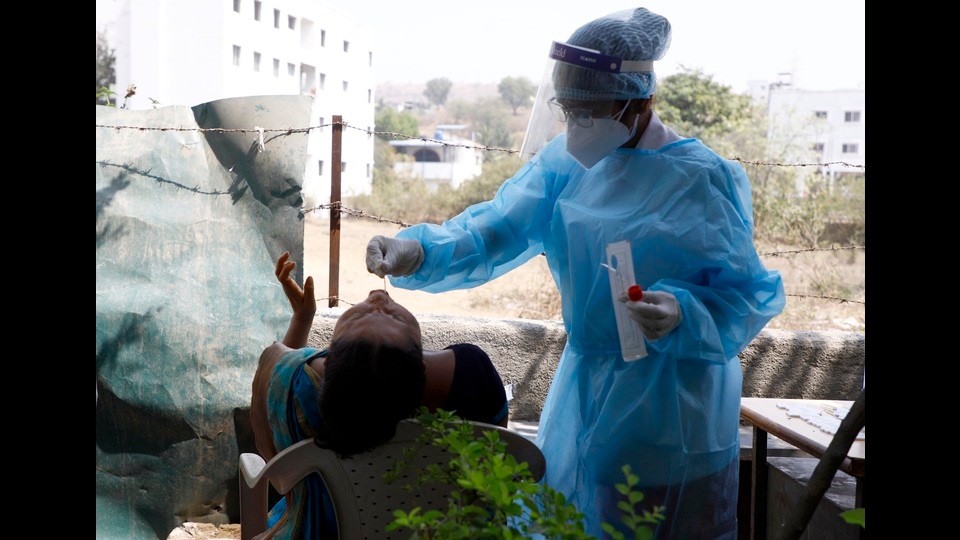
However, the existing PPP set-ups in the public health sector have not proven to be much useful for the public at large. Complaints of non-compliance with rules, misuse of funds, lack of accountability, poor availability of qualified human resources and failure to provide quality service to patients by NGOs running the primary health centre or civic hospitals is a common scenario. Despite multiple examples across the country of failed PPP implementation in healthcare systems, the civic body continues to do so, according to health activists.
The civic body justified its limited spending by stating that more expenditure of the health care is being done through private investment. Vikram Kumar, Pune civic chief said, “It is true that we have not increased the allocation for health care under the budget 2022-23 percentage wise, as it remains close to 4% similar to the previous years, but the overall budget value has risen by ₹1,000 crore and so there is a rise in the absolute numbers as well. It is true that we are bringing in more investments to the health care infrastructure through PPP models. With more private investment coming, PMC does not need to spend more money from its own exchequer.”
Currently, the diagnostics services in PMC’s Kamala Nehru Hospital is leased out to Krsnaa diagnostics on PPP basis. Also, at multiple centres, specific facilities like dialysis and other services are given out on PPP basis to private players and, in exchange, the civic body provides space, light and water connection facility.
However, this model, although feasible financially for the civic body, is only leading to corruption and benefits not reaching the end-user.
Dr Abhijit More, public health care expert and AAP member said, “All the current projects run under PPP in government hospitals show that there is a nexus of corruption between officials and corporate houses. The public health care should be feasible for the economically lowest strata of society and sometimes even the Central Government Health Scheme (CGHS) rates are not feasible for them. Even in diagnostic services, we see the private partner in the so-called PPP set-up forces public to undergo multiple tests for no reason and there are many hidden charges making the final cost unaffordable for the poor and lower middle-class people.”
He said as PMC invests huge money in building infrastructure, it should spend more in strengthening the manpower to run its hospitals to facilitate the beneficiaries.
He said, “There is a vested interest involved and also no political will to run the public healthcare system. There should be a system in place to regulate the corporate houses providing medical services on PPP.”
Dr Anant Phadke, co-convener of Jan Aarogya Manch, NGO that works for public health care, said, “Currently PPP stands for public funds and private profits. The government can spend a major chunk of funds constructing hospital buildings but can’t afford to run it? In all such hospitals which are run under PPP, a certain percentage is reserved for the poor, the actual beneficiaries who then do not get access and this is then siphoned off by politicians or their karyakartas. Instead of spending so much on constructing newer buildings, the government can simply fill vacant posts. The already existing healthcare facilities are understaffed which makes them inefficient and then the government would justify bringing in private players for the same.”


