
 E-Paper



JAA flags gaps in Maharashtra Clinical Establishments Bill, seeks stronger patient rights
The doctors’ association said that the bill should be referred to a joint committee of the legislature

 Prefer HTon Google


After the Indian Medical Association (IMA), the Jan Arogya Abhiyan (JAA) – a coalition of health rights’ organisations, people’s movements and civil society groups – Wednesday opposed the proposed Maharashtra Clinical Establishments Bill 2026, claiming that many important patients’ rights and safeguards under the existing framework have been left out. The group urged the state government to revise the proposed law before it is finalised and include stronger provisions for patient protection, hospital accountability and grievance redressal. The government has invited suggestions and objections to the draft bill till August 20.
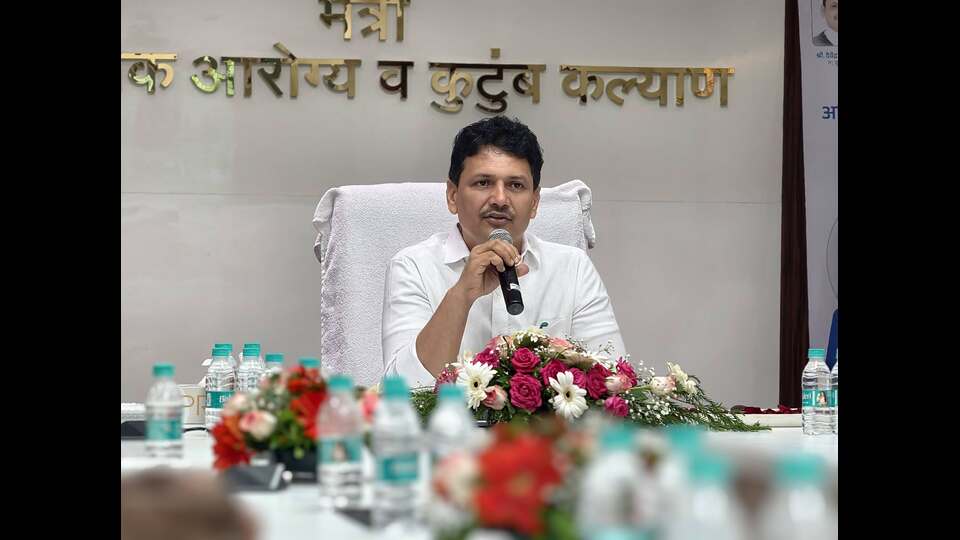
Health minister Prakash Abitkar on July 3 tabled the bill in the assembly and later referred it to a 21-member joint select committee for further review. However, the IMA opposed it stating that the bill would affect small and medium hospitals, nursing homes, day-care centres, and clinics. The doctors’ association said that the bill should be referred to a joint committee of the legislature or an appropriate committee for detailed scrutiny and extension liberation.
After the IMA, the JAA has opposed the draft bill proposed to replace the 2021 Maharashtra Nursing Home Registration framework saying it excludes several existing safeguards such as provisions preventing hospitals from withholding a deceased patient’s body over any reason or keeping a patient confined for non-payment of bills. The group has flagged the absence of: female patients’ explicit rights to have another woman present during an examination; and clear provisions on treatment and care for people living with HIV. The organisation has said that the draft does not retain the need for hospitals to display doctors’ names, qualifications and registration details; and provide patients with proper discharge cards recording diagnosis, treatment and medical advice. Another concern is the proposed grievance mechanism. The JAA said that while the 2021 rules require hospitals to maintain a grievance cell and toll-free number, and address admitted patients’ complaints within 24 hours; the draft bill lacks such mechanisms and does not provide a clear, district-level forum for patients to seek redress. The JAA has objected to the composition of the proposed state council, saying that it largely comprises government health officials and representatives of statutory medical councils. The organisation wants patients’ groups, health rights’ organisations, women’s groups, nurses’ bodies, and doctors’ associations to be represented instead. The JAA has called for an independent, full-time regulatory body and district-level grievance committees headed by a retired district judge or a legal expert of the same level. It has urged the government to hold wider consultations with health rights’ groups, civil society organisations, women’s groups and healthcare professionals before finalising the legislation.
Health activist, Dr Anant Phadke, said, “The JAA has also sought regulation of hospital charges. As per the draft, hospitals are required to display their rates but the draft does not provide for actual regulation or standardisation of charges. There should be standard treatment guidelines to reduce the risk of unnecessary tests and procedures”.
Health activist Dr Arun Gadre said, “The new law must strengthen patient rights, not dilute them. All 20 patient rights and safeguards under the existing Maharashtra framework and the National Patients’ Rights Charter should be incorporated, along with a simple and time-bound grievance system at the district and state levels”.
The JAA has appealed to health professionals, activists and citizens to submit their suggestions to the draft bill through the Maharashtra legislature website by August 20, 2026.


