
 E-Paper



Fresh notice served to PMC to pay ₹507 crores’ fine for polluting Mula-Mutha river
According to the PMC, around 477 MLD out of the 750 MLD sewage water generated within the former Pune city limits is treated by nine sewage treatment plants (STPs)

 Prefer HTon Google


PUNE: In a fresh notice served to the Pune Municipal Corporation (PMC), the Khadakwasla division of the state water resources department has reminded the civic body of a ₹507 crores’ fine payable by it for failure to treat sewage water before discharging into the Mula-Mutha river for the past six years.
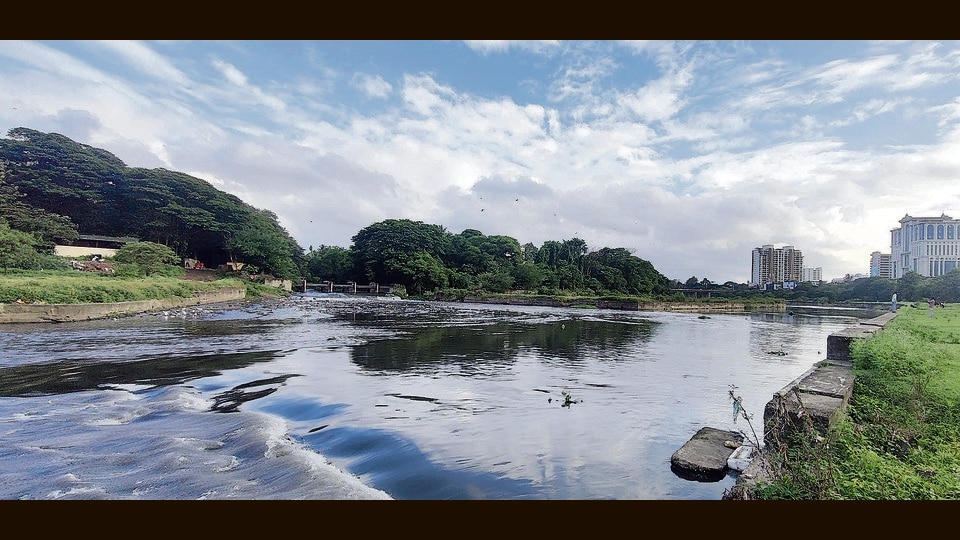
While the PMC has assured the Khadakwasla division of treating around 477 million litres per day (MLD) out of the 750 MLD sewage water generated within the former limits of the city (excluding the 34 villages merged in the recent past), around 139 MLD of sewage water generated by the 11 villages merged with the PMC in 2017 plus 250 MLD of sewage water generated by the 23 villages merged with the PMC in 2021 would continue to flow untreated into the Mula-Mutha river, thereby polluting it. According to the PMC, around 477 MLD out of the 750 MLD sewage water generated within the former Pune city limits is treated by nine sewage treatment plants (STPs).
Shweta Kurhade, executive engineer of the Khadakwasla division, said that the state water resources department has been writing to the PMC administration every year about the ₹507 crores’ fine payable by it as per the directives of the Maharashtra Pollution Control Board (MPCB).
“However, the PMC only pays the water charges of ₹72 crores every year to the state water resources department. We have been imposing a fine on the PMC since 2016. The law mandates that the fine is double the water charges bill. The total fine has reached ₹507 crores. Till date however, the PMC has not paid a single paisa to us,” Kurhade said.
“In the last few years, there have been more fringe villages merged with the PMC. So, we will continue to impose fines on the PMC till they treat all the sewage water. To avoid the fines, the PMC must treat the sewage of the former city and the newly-merged villages,” Kurhade said.
Ramdas Taru, superintendent engineer of the PMC drainage department, said, “We have sent all the information regarding the existing and upcoming sewage treatment plants to Maharashtra Jeevan Pradhikaran (state water supply department) and appealed to the Khadakwasla division to waive off the fine as we are developing proper water treatment facilities in the city.”
Meanwhile, the PMC, in collaboration with the Japan International Cooperation Agency (JICA), has started work on the construction of 11 new STPs in different parts of the city. These STPs are expected to become operational from 2026.
Jagdish Khanore, superintendent engineer of the PMC sewage department who handles the JICA project, said, “There is a gap between treated and untreated sewage water. We have to treat 750 MLD of untreated water but we have a sewage treatment capacity of 567 MLD. The remaining sewage water is flowing untreated into the river. Under the JICA project, we have planned to enhance our sewage treatment capacity and treat most of the sewage water. The project work has already started and it will be completed in 2026. After completion of the project, the sewage treatment capacity will be 863 MLD.”


