E-Paper



Uttarakhand forms panel to look into problems faced by nomadic Van Gujjars
The panel will submit its report within six months after analysing all these issues and factoring in the Scheduled Tribes and Other Traditional Forest Dwellers (Recognition of Forest Rights) Act, 2006

 Prefer HTon Google


The Trivendra Singh Rawat-led Uttarakhand government has formed a five-member committee to look into the eviction issues faced by nomadic Van Gujjars in the hill state.
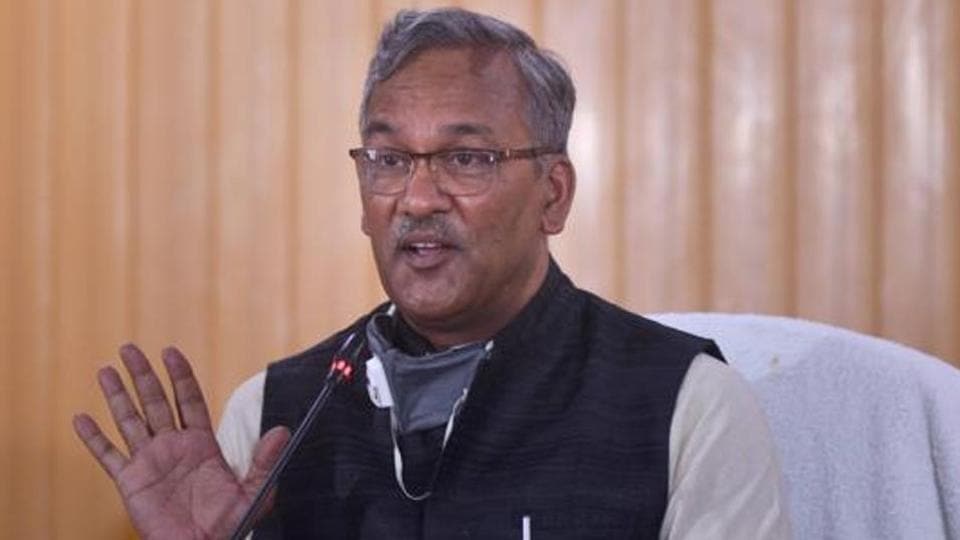
The committee has been mandated to look into the issues faced by Van Gujjars, including their eviction and rehabilitation.
The panel will submit its report within six months after analysing all these issues and factoring in the Scheduled Tribes and Other Traditional Forest Dwellers (Recognition of Forest Rights) Act, 2006.
Principal chief conservator of forests (PCCF) (wildlife), Uttarakhand; the state chief wildlife warden; field director, Rajaji Tiger Reserve (RTR); a person nominated by the Wildlife Institute of India (WII); and a person nominated by the World Wildlife Fund (WWF) will be the committee members.
Also read | Covid-19: Nomadic Van Gujjars fight stigma, face livelihood challenges
The Uttarakhand high court (HC) is hearing a raft of public interest litigations (PILs), which have raised various issues related to Van Gujjars in the state.
Himalayan Yuva Gramin Vikas Samiti, Van Adhikar Samiti Dudhala and Think Act Rise Foundation have filed the PILs in the HC.
The state government informed the HC about its decision to form the panel and submitted an affidavit to this effect on October 20.
A copy of the affidavit, which HT has seen, was made available on Wednesday.
The HC in its August 17 order had directed the state government “to come out with a proposal with regard to the constitution of the committee, its scope, the extent to which the inquiry will be done by it and the period within which a report or a solution will be offered by it for the dispute to be resolved”.
The HC had maintained that “we are of the view that the legal rights of Van Gujjars, as available in the law, require to be protected. They require not only the protection of the law, but its benefit as well”.
Earlier in 2018, the HC had directed the state government to evict Van Gujjars from national parks, reserved forests and protected forest areas in Uttarakhand.
Later, Van Gujjars had moved the Supreme Court (SC), and obtained a stay order from the apex court.
Van Gujjars had argued that they cannot be evicted from the forest areas in Uttarakhand and cited Section 3 (1) d of The Scheduled Tribes and Other Traditional Forest Dwellers (Recognition of Forest Rights) Act, 2006, as the legal protection guaranteed by the Union government.