


 Live Score
 Cricket Teams
 Cricket Players
Multiple arrests, charged with human trafficking: India cricketer destroyed his legacy after failed international career
An India debut alongside Chris Gayle and 9,192 first-class runs were followed by a turbulent life and a 22-year legal battle that finally ended in acquittal.

 Prefer HTon Google


More than a thousand runs arrived in a single Ranji Trophy season, at an average above 100. Five centuries came with them, including a mammoth 242, as bowlers around the domestic circuit discovered that getting this Baroda middle-order batter out had become one of the hardest assignments in Indian cricket. By the end of 1998-99, an India call-up no longer felt like a reward. It felt inevitable.
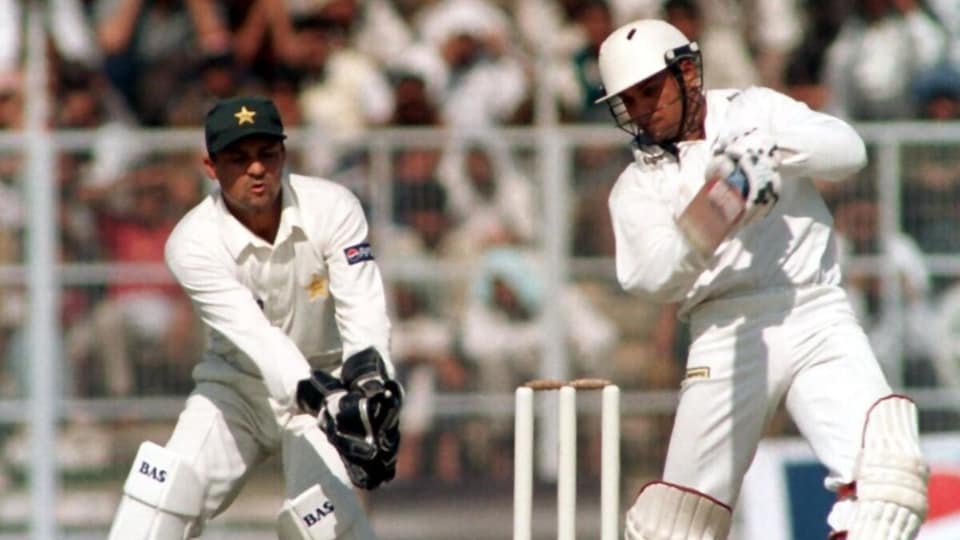
International cricket, however, would prove far less generous. The batter who had piled up 1,037 Ranji Trophy runs at 103.70 would eventually play only 10 ODIs for India. There would be no Test cap, no international fifty and barely enough time to establish himself before the selectors moved on. His best ODI score would remain 39, yet even that innings came with India collapsing around him against Wasim Akram and Waqar Younis at Perth.
What followed over the next quarter of a century made those 10 matches almost a footnote. There was a Ranji Trophy triumph as captain, more than 9,000 first-class runs, retirement and comeback, an arrest in a case carrying serious human-trafficking allegations, a near-fatal road accident that left his family struggling with enormous medical bills, repeated brushes with Gujarat's prohibition laws and, in 2026, another arrest after a late-night car crash.
The cricketer was Jacob Martin, one of the more unusual forgotten names from India's turn-of-the-century generation.
A domestic career far bigger than 10 ODIs
Martin's first-class career had actually started with a glimpse of a very different cricketer. On debut for Baroda in the 1991-92 Ranji Trophy, he not only scored a half-century but also took five wickets in an innings. Bowling would soon disappear almost completely from his game — he finished with only 10 first-class wickets — while batting became the reason he stayed around for nearly two decades.
By the time he was finished, Martin had accumulated 9,192 first-class runs from 138 matches at an average of 46.65, with 23 centuries and 47 fifties. His peak came in 1998-99, when scores such as 108, 103 not out, 177 not out, 242 and 100 not out carried him beyond 1,000 Ranji runs for the season, a landmark achieved by only a handful of players at the time.
India finally picked him for the 1999 series against the West Indies in Toronto. His debut, on September 11, contained a piece of trivia that became more striking with every passing year: Chris Gayle made his ODI debut for the West Indies in the same match. Gayle would go on to become one of the most recognisable cricketers of his generation. Martin's international career would be over after 10 appearances.
He didn't even get to bat on debut, although he contributed with a catch. His opportunities over the next two years remained sporadic. The closest thing to a defining international innings came against Pakistan at Perth in January 2000, where India's celebrated top order was torn apart.
Sachin Tendulkar made 17, Sourav Ganguly 1, Rahul Dravid 3, and VVS Laxman 1. India slipped to 24/4 and then 33/5, leaving Martin to try to survive an attack led by Wasim and Waqar. His 39 from 71 balls was hardly glamorous, but in the circumstances it represented substantial resistance. It nevertheless remained his highest score for India.
Martin's final international innings came against Kenya in October 2001, when he made 36. Ten ODIs had produced 158 runs at 22.57. India never called again.
The captain who brought Baroda back
The rejection did not stop Martin from being a major figure in domestic cricket. In fact, one of his finest achievements came around the same period as his India career was disappearing. As Baroda captain in 2000-01, Martin led the side into its first Ranji Trophy final in more than four decades. The final against Railways appeared to be slipping away when Baroda conceded a 151-run first-innings lead. Martin himself had made a duck in the first innings.
His response in the second was very different. Satyajit Parab struck 141 while Martin stayed unbeaten on 87 from 225 balls, dragging Baroda back into the contest and setting Railways 223. Zaheer Khan then ripped through the chase with five wickets as Railways were bowled out for 201. Baroda won by 21 runs and completed one of the most dramatic Ranji Trophy final turnarounds of that era. Martin remained deeply embedded in domestic cricket even after India had moved on. He eventually announced his retirement in 2007, only to reverse the decision months later because he felt he had stopped too quickly. His career finally stretched into 2009, with Railways and Assam also appearing on his domestic résumé. The cricketing story, however, would soon be overshadowed.
Arrest, a 22-year case and eventual acquittal
An investigation dating back to 2004 alleged that a man had been illegally taken to Britain while posing as a member of a cricket team. Martin's name became connected to the case through an alleged association with a cricket club, and investigators accused him of involvement in the arrangement. He denied wrongdoing.
After years of legal proceedings, Martin was arrested in 2011. The case followed him for more than two decades and remained one of the first things attached to his name whenever his post-cricket life was discussed. Martin later said the episode also cost him his job with the Railways.
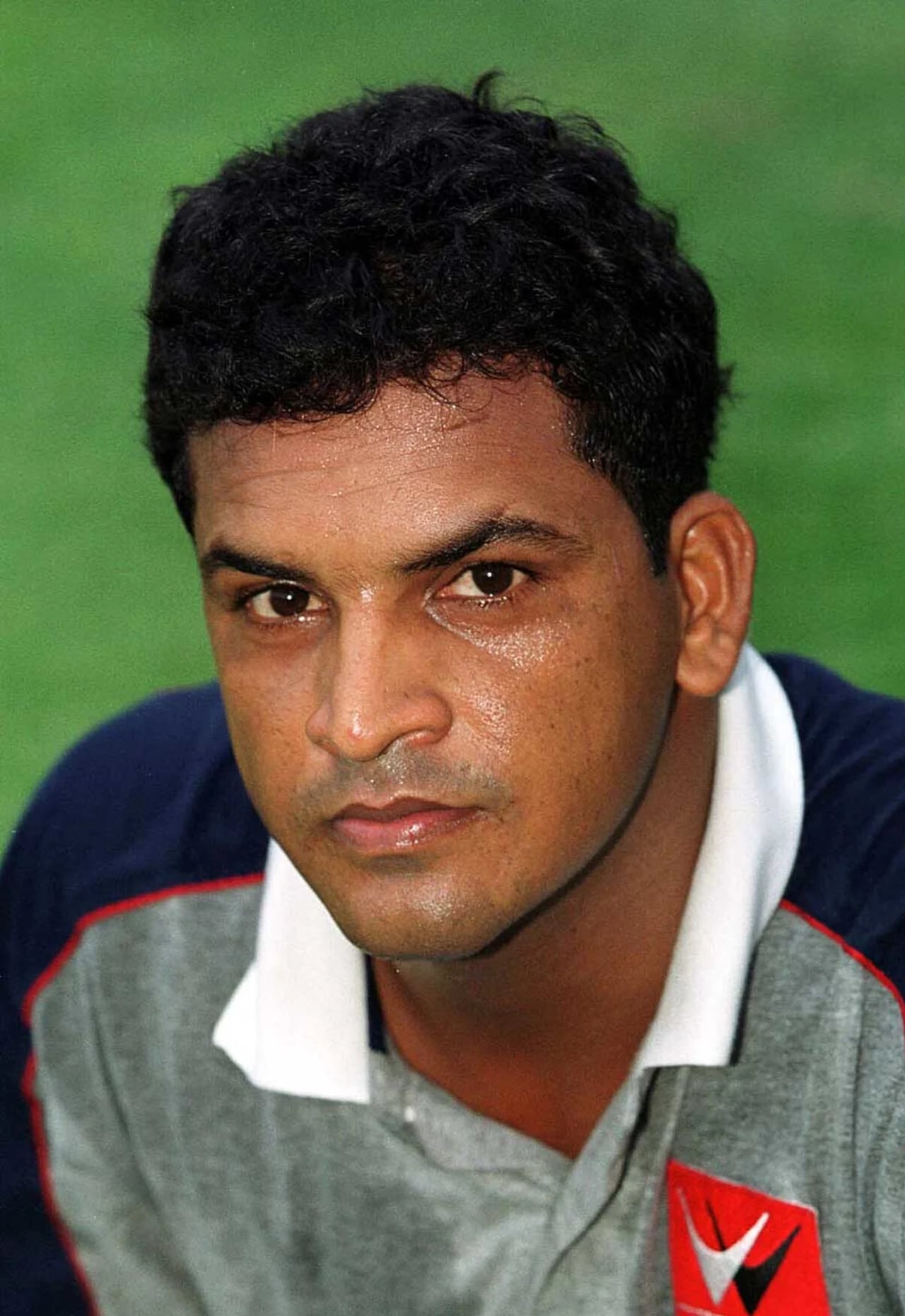
But the story changed dramatically in 2026. On June 11, a Delhi court acquitted Martin, finding that the prosecution had failed to prove the allegations against him. The court found no established money trail showing that Martin had received payment, no proof that he owned the club at the centre of the allegations and no sufficient evidence connecting him to the agents accused of arranging a counterfeit immigration stamp. After more than 20 years, one of the darkest chapters attached to his public reputation ended without a conviction.
The accident that brought cricket back around him
Long before that acquittal, Martin had faced another battle altogether. In December 2018, a serious road accident in Vadodara left him with major injuries to his lungs and liver. His condition became critical enough for him to spend an extended period on ventilator support, while the mounting hospital expenses placed his family under enormous financial pressure.
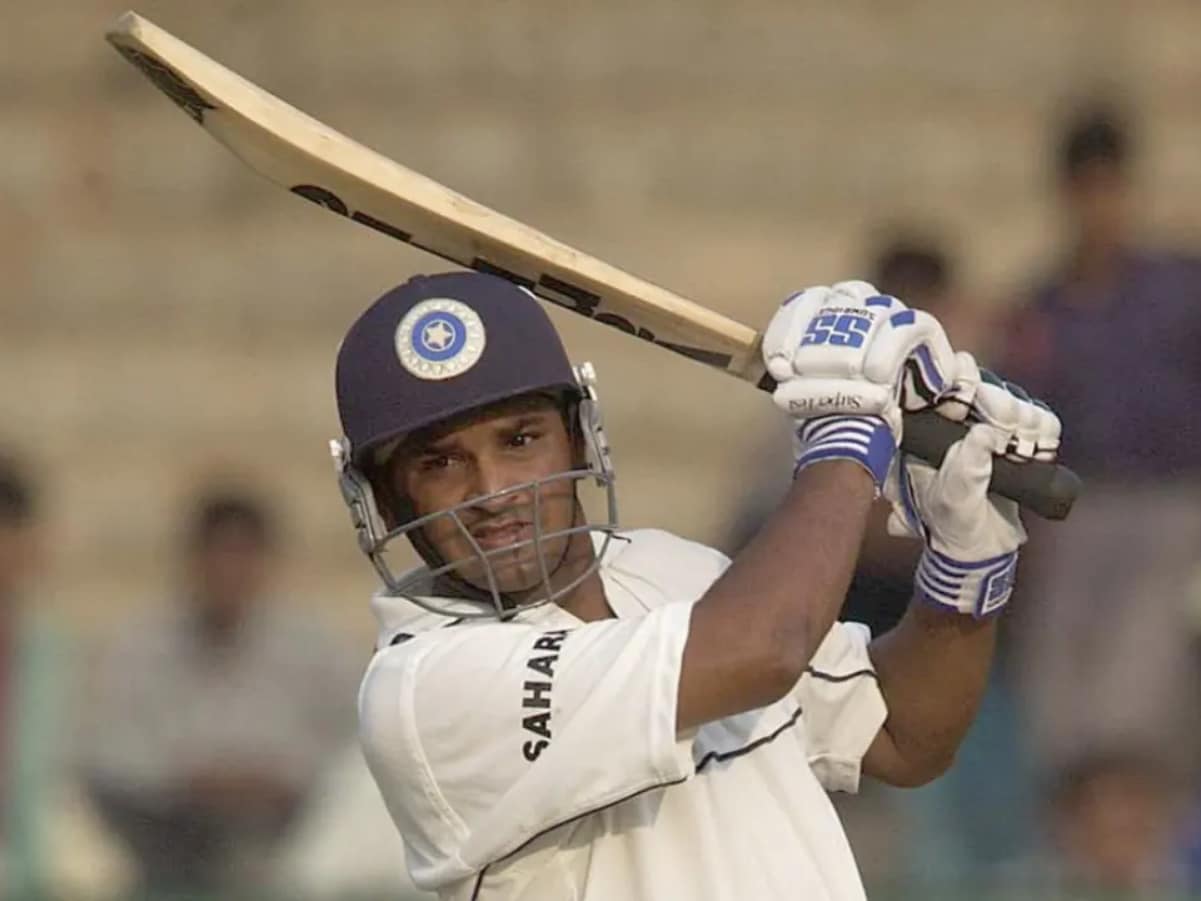
This time, Indian cricket rallied around him. The BCCI and Baroda Cricket Association provided financial assistance. Chennai Super Kings contributed, while former teammates and cricketers including Sourav Ganguly, Zaheer Khan and Ashish Nehra offered help. Krunal Pandya's gesture became particularly memorable: he reportedly sent a blank cheque with instructions that whatever amount was required could be filled in.
Martin survived, eventually came off the ventilator and moved out of critical care. It was an extraordinary reversal for a man whose relationship with Indian cricket had largely faded from public view. Yet controversy did not disappear entirely. Martin had previously faced alcohol-related police action in Gujarat, including a 2013 case in which he and others were arrested after a gathering and later tested positive for alcohol consumption under the state's prohibition laws.
Then, in January 2026, his name returned to the police records. Martin was arrested after the SUV he was driving struck three parked vehicles in Vadodara's Akota area during the early hours. Police alleged that he appeared intoxicated and booked him for offences relating to rash and drunken driving as well as prohibition-law violations. No injuries were reported, and he was later released on bail. Initial reports said medical test results were awaited, so the incident remains an allegation rather than a drunk-driving conviction.
It is a strange place for an international cricket story to arrive. More than three decades after that five-wicket first-class debut, Jacob Martin's career remains difficult to reduce to one label. He was the batter who averaged more than 100 across a Ranji season, the captain who helped Baroda overturn a 151-run deficit to become champions and the India player whose opportunity vanished after only 10 ODIs.
Everything that came later made the story messier, darker and far more human. For a generation that barely remembers the name, those 158 international runs tell almost nothing about the cricketer — or the life — that existed around them.


