E-Paper



In a first, Uttarakhand seizes elephants from private persons, shifts them to Corbett
In its August 3 order, the HC had said, “A startling revelation... advocates that the elephants are chained, ill-treated and few elephants are blind but still being used commercially by the owners of the resorts in Corbett Tiger Reserve area”

 Prefer HTon Google


The Uttarakhand forest department seized seven elephants from private individuals and shifted them to the Corbett Tiger Reserve Thursday night after the high court pulled up the department earlier in the day for not following its August 3 order to shift such elephants to the Rajaji National Park.
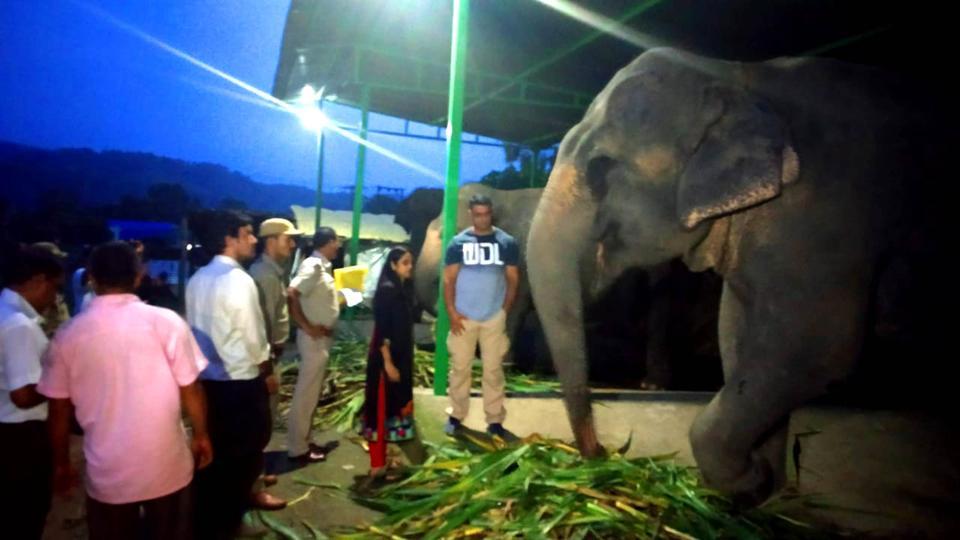
This is the first time that such an exercise has been carried out in Uttarakhand.
While hearing a public interest litigation regarding encroachments around Corbett tiger reserve, a division bench of Justices Rajiv Sharma and Lok Pal Singh on August 3 had directed the state forest department to take possession of the elephants with private individuals in the state and shift them temporarily to Rajaji National Park within 24 hours.
On Thursday, it expressed displeasure that its August 3 directions had not been complied with, prompting the forest department to take possession of the elephants and shift them temporarily to Corbett, which is comparatively in a better position to take care of the elephants, than Rajaji National Park, where the HC had originally asked them to shift the elephants.
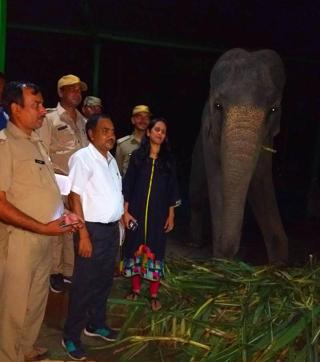
Neha Verma, DFO Ramnagar said that there were seven elephants with private persons who used them for elephant safaris. “Following the HC order, principal chief conservator of forests (wildlife) directed us to check the legal status of the elephants with private individuals and also get their medical examination done. After we completed the exercise, we seized the elephants on Thursday evening and shifted them to Aamdanda area of Corbett Tiger Reserve where the mahouts and forest staff will take care of them,” she said.
She said the seven elephants were seized from the areas around Corbett and brought to Dhikuli from where they were taken by the mahouts and forest staff to Aamdanda area of the Corbett Tiger Reserve.
“The elephants moved on foot the distance of 10 km between 7 pm to 1:30 am on the intervening night of Thursday and Friday. We choose night time as we didn’t want a crowd of locals or the traffic to disturb the movement of the elephants,” she said.
She said this for the first time that such an exercise has been initiated.
One of the resort owners, whose elephant was aggressive, didn’t cooperate while the elephant was being taken away, Verma said.
“We had to call our own mahouts to get the elephant out and shift it. The Corbett reserve has many mahouts as we already have 16 elephants for patrolling,” she said.
Verma said notices were also issued in line with the high court’s directions to the owners of the elephants to explain under what law they were using the elephants commercially including joyrides in breach of the Wildlife Protection Act, 1972 and the Prevention of Cruelty to Animals Act, 1960.
In its August 3 order, the HC had said, “A startling revelation has been made before the court by CK Sharma and Dharmendra Barthwal, advocates that the elephants are chained, ill-treated and few elephants are blind but still being used commercially by the owners of the resorts in Corbett Tiger Reserve area, causing immense cruelty to the elephants. Their conditions are pathetic. Their captivity is in violation of Sections 40 and 42 of Wildlife Protection Act, 1975.”