
 E-Paper



9 of 11 working CETPs not meeting standards: Report
There are 13 CETPs, which cater to 17 industrial zones out of the total 28 industrial areas in Delhi. While 11 plants are presently functioning, two are not receiving any flow of effluent and hence can’t be operated.


Nine of the 11 operational Common Effluent Treatment Plants (CETPs) -- which are meant to treat industrial effluent before waste water can be reused or discharged into the Yamuna -- are not meeting prescribed standards, a report prepared by the Delhi Pollution Control Committee (DPCC) has revealed.
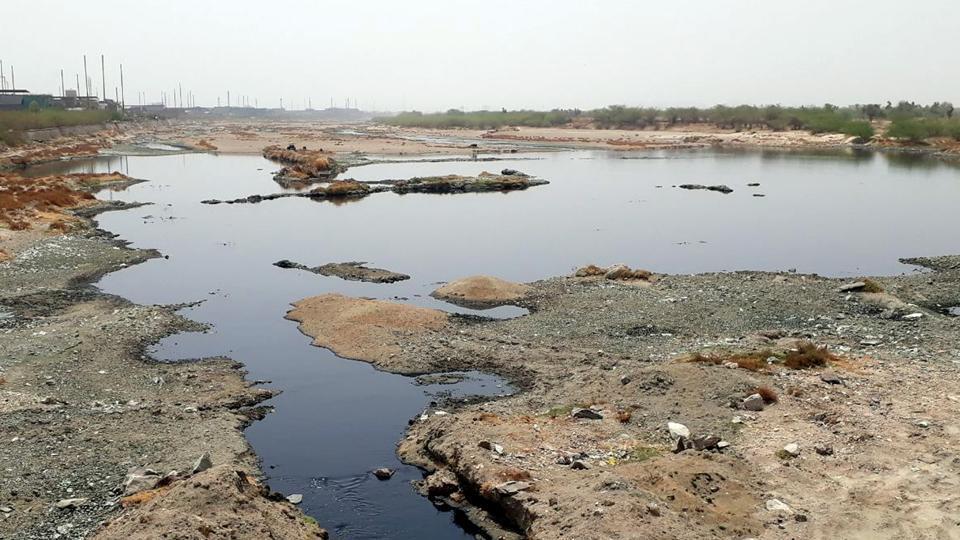
Treated water from these plants is so toxic that the Delhi Development Authority (DDA) had recently informed a committee appointed by the National Green Tribunal that it was forced to stop CETP-treated water from being used even in parks.
There are 13 CETPs, which cater to 17 industrial zones out of the total 28 industrial areas in Delhi. While 11 plants are presently functioning, two are not receiving any flow of effluent and hence can’t be operated.
“Out of these 11, at least nine were found to be not meeting standards. They are also running much below their capacity. While the total capacity of the 13 STPs is around 212 million litres per day (MLD), they are only getting a flow of around 48 MLD,” said a senior DPCC official. The report has been prepared with data from December 2018.
“CETPs are required to treat toxic effluent from industries. Without treatment, this effluent, which contains even heavy metals, get mixed with the domestic waste and reach the Yamuna. If most of them are not working, it means industrial effluents and toxic metals are still reaching the river,” said Manoj Misra, convener of Yamuna Jiye Abhiyan.
The Yamuna pollution monitoring committee, in its interim report to the NGT submitted in January 2019, has highlighted this sorry state of affairs of the national capital’s CETPs.
Authorities said an action plan is being prepared on how to improve the efficiency of the CETPs and connect all industries, which generate effluents, to the CETP network. Several industries have either been shut down or penalized, including 600 such units in Bawana area alone, for violating standards.
“A joint team comprising officials from the Central Pollution Control Board (CPCB), Delhi Pollution Control Committee (DPCC) and Delhi State Industrial and Infrastructure Development Corporation (DSIIDC) recently inspected all the CETPs. A time bound action plan is being prepared with the help of NEERI researchers,” said an official of the environment department.
A German firm was recently roped in by the DSIIDC to prepare a report on how to improve the efficiency of at least two CETPs at Mayapuri and Lawrence Road. The report has been shared with NEERI researchers. “Now, NEERI would be coming up with a time-bound plan on how to improve efficiency and upgrade plants by retrofitting them. If the plan is a success, we can replicate it. We are also trying to improve flow of effluents by bringing in more industrial units under the network,” said Mohanjeet Singh, managing director of DSIIDC.

Stay updated with all top Cities including, Bengaluru, Delhi, Mumbai and more across India. Stay informed on the latest happenings in World News along with Delhi Election 2025 and Delhi Election Result 2025 Live, New Delhi Election Result Live, Kalkaji Election Result Live at Hindustan Times.


