
 E-Paper



Delhi’s AQI hits 148 as pollution begins to rise
Unlike August, when the air quality was in the ‘good’ category for four days, and ‘satisfactory’ for the remaining 27, the air this month has mostly remained in the ‘moderate’ category.

 Prefer HTon Google


After a month in which Delhi saw its cleanest air in five years, air pollution has seen an uptick in the national capital over the past few weeks. With monsoon drawing to a close and little possibility of more rainfall this month, the air quality may deteriorate further by the end of this month, scientists at the India Meteorological Department (IMD) said.
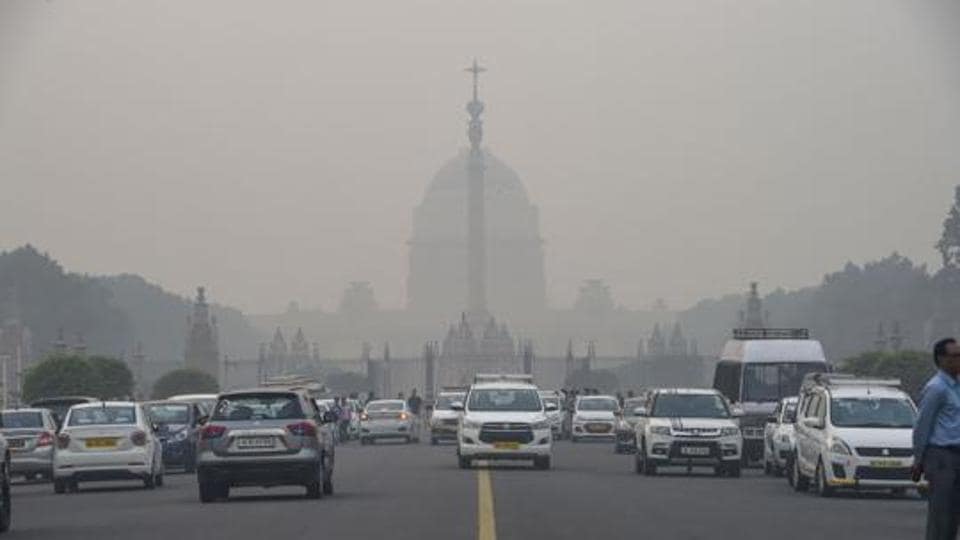
Unlike August, when the air quality was in the ‘good’ category for four days, and ‘satisfactory’ for the remaining 27, the air this month has mostly remained in the ‘moderate’ category.
August was the cleanest month on record since 2015, from when air quality index (AQI) records in the city have been maintained.
An AQI reading of 0-50 is considered ‘good’ (minimal health risk), 51-100 is ‘satisfactory’ (minor discomfort to sensitive people), 100-200 is ‘moderate’ (breathing discomfort to people with lungs and heart disease).
Data from the Central Pollution Control Board (CPCB) shows that the AQI this month slipped to ‘moderate’ category on September 5, with a value of 101. It improved to ‘satisfactory’ for a few days before again falling into ‘moderate’ on September 9, a zone it has remained in so far.
On Sunday, Delhi’s overall AQI was 148, in the ‘moderate’ zone, as per the CPCB’s 4pm bulletin, up from 118 the previous day.
“The spell of clean air days may almost be over now, as meteorological conditions are changing. The monsoon is set to withdraw by September-end, after which calm winds blow across the northwestern region that are not favourable for the dispersion of pollutants,” said Kuldeep Srivastava, head of IMD’s regional weather forecasting centre
“Pollutants suspended in the air that were till last month being washed away by the rain and winds are likely to persist, in the absence of any such weather activity,” he added.
He added that while August received the most rainfall in at least 10 years, September, which usually sees good showers every year, has not received adequate rainfall this year and will not be able to cover the deficit for this month.
“The monsoon trough this month has remained mostly in the hilly regions. Only three days of light rain were recorded this month — on September 5,6 and 8. There is a system forming in the Bay of Bengal, which is likely to induce light rain or thundershowers on September 22-23, but even that will not be able to cover the deficit for this month,” Srivastava said.
The Safdarjung observatory, which is representative of Delhi’s weather, has a rain deficit of 78% so far this month.
Another IMD scientist, who did not wish to be named, said industrial and vehicular pollution was almost zero during the lockdown months. Then in July and August, even with curbs being eased in phases, good and continuous spells of rain kept the air quality in check.
“Now, from the end of the month, the weather will slowly transition to calmer winds and a decrease in temperature neither of which are favourable for pollutants to disperse. Besides, it is also the time when stubble burning in neighbouring states begins, which adds to the pollution load,” the IMD scientist told Hindustan Times.
The Supreme Court-mandated Environment Pollution (Prevention and Control) Authority (Epca) is scheduled to meet the Delhi Pollution Control Committee (DPCC) next week to discuss an action plan to curb pollution in the major ‘hot spots’ across the city.
Delhi environment minister Gopal Rai had, last week, asked all agencies to submit a winter action plan by September 21.
The Graded Response Action Plan (Grap), put in place to deal with various levels of pollution, is enforced in Delhi and the National Capital Region from mid-October.


