
 E-Paper



Most road accident victims ferried to hospital in autos, AIIMS data shows
The data also showed while 1,584 people died in road accidents in Delhi in 2017, the number went up to 1,690 in 2018

 Prefer HTon Google


At least 30% of all road accident victims in Delhi were rushed to AIIMS Trauma Centre in three-wheelers (auto-rickshaws), a two-year data, collated by the hospital from September 2017 to October 2019, showed. Only 15% were brought in government ambulances, while 10% were rushed to the hospital in private ambulances and 20% by the Delhi Police. Eleven percent reached the hospital by private cars while 14% were ferried by other means.
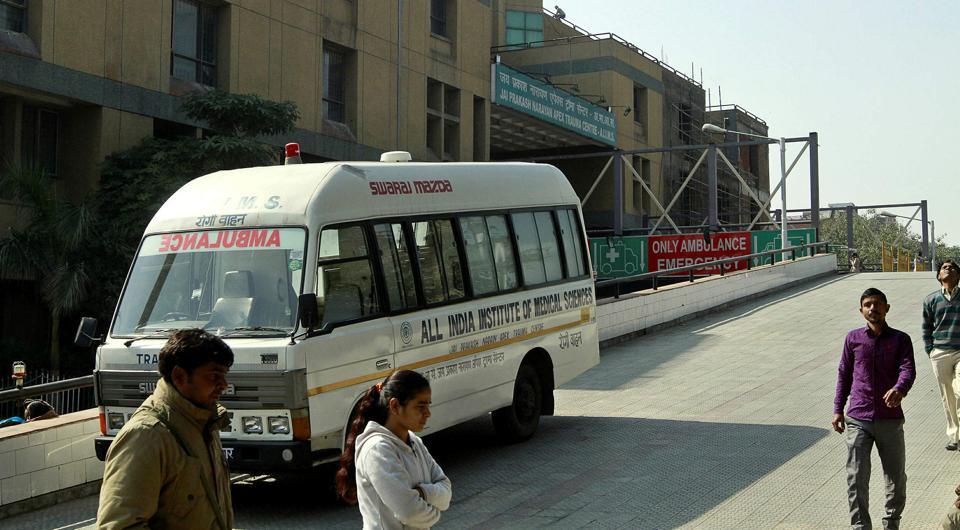
The data also showed while 1,584 people died in road accidents in Delhi in 2017, the number went up to 1,690 in 2018. The figure is alarming considering that the Metro city of Mumbai reported only 475 deaths in road accidents, down from 490 reported in 2017.
Gaurav Kaushik, working with the trauma centre as a scientist, said 14% of those who reached the hospital by other means included people who could not recall how they reached there. “Many of them were in a critical condition or unconscious. In some cases, people leave the injured at the entrance of the hospital and leave, fearing legal hassles,” he said.
A senior police officer posted with the Delhi traffic police said more number of injured were ferried in three-wheelers because these vehicles were easily available. “Many do not want to bring patients in their vehicles, fearing that they will be dragged into legal proceedings. We need to publicise the Good Samaritan practices more aggressively,” he said, requesting not to be named.
The data also revealed that 78% of all road accident victims did not receive pre-hospital care before being taken to the hospital, which experts say is a major reason for the high number of road fatalities in Delhi.
Explaining the importance of pre-hospital care, professor of trauma surgery, Sushma Sagar, said pre-hospital care in India has a lot of catching up to do.
“This is one of the major reasons why we witness a high mortality rate in cases of accidents in Delhi. When a person sustains a spinal or neck injury, pre-hospital care is most important as the patient’s condition can deteriorate while being brought to the hospital. Sometimes, lack of proper initial care can even lead to life-long paralysis,” she said.
Sagar said at every level, from school to colleges and in workplaces, we need to teach people the basics of pre-hospital care. “Just having the infrastructure will not help. We have installed defibrillators at airports but how many know how to use them? Good Samaritan practices must be advertised on priority, may be, in movie theatres and malls,” she said.
The data, accessed by HT also states that 27,546 people, injured in road accidents in Delhi, were brought to AIIMS’s Jai Prakash Narayan Apex Trauma Center between September 2017 and October 2019. Of them, at least 85% were male and 15% were female.
A data released by the Ministry of Road Transport and Highways last year revealed that speeding caused more than 44% of all 1,690 accidental deaths on Delhi’s roads in 2018 even as the national capital accounted for the most road fatalities among all Indian cities in 2018 and 2017.
The data further mentions that while 64% of the total accident victims were admitted with critical injuries, 36% had minor injuries. Of them, 3.5 % could not be saved, the data reads.
The data also shows that of the total injured in accidents, 65% riding two-wheelers. Fourteen per cent were driving cars and 10% were in auto-rickshaws. The remaining 11% included pedestrians, cyclists and others, it said.
This suggests that of all the road accident victims, 79% were either driving a two-wheeler or a car. The data says that 67% of them were not wearing either helmets or had not fastened seat belts.
Professor of surgery, Amit Gupta, said Delhi also needs a dedicated trauma staff to deal with patients who are critically injured.
“Even if we have proper infrastructure and build multiple trauma centres across the city, we still lack the trained manpower. We need to train more doctors who can specialise as trauma surgeons,” he said.
Gupta said in 2016, trauma postgraduate degrees were introduced by the government but the course was not taken up by medical colleges. “Such courses will produce a brigade of trauma surgeons who will be experts in saving lives of those critically injured in accidents,” he added.


