
 E-Paper



Groundwork for an Asian dawn
For India and China to work together as a bloc, peace along the Line of Actual Control is a prerequisite which India must insist on

 Prefer HTon Google


One of the unsolicited parting presents to India from the colonisers was the 1914 McMahon Line, which has been a source of continued conflict with China. In the eastern sector of India, China doesn’t recognise the 890-kilometre border separating Arunachal Pradesh from Tibet. Earlier this month, New Delhi nugded Beijing after local bodies alleged that China was blocking the Indian Army’s access to key patrolling points and encroaching on land in the north-eastern state. It is in this specific context that national security advisor Ajit Doval’s trip to China for the 25th round of talks between Special Representatives of the two countries becomes profoundly crucial. These talks are deemed the “main channel” for negotiations between the two countries that share a 3,488 km long Line of Actual Control.
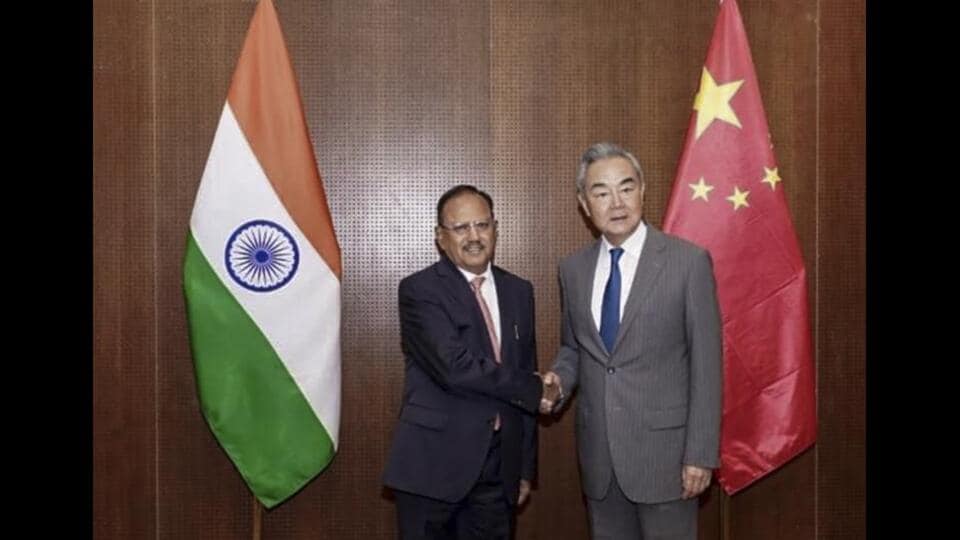
Border disputes between India and China have previously escalated to full-scale war and many military skirmishes, the latest being in east Ladakh in 2020, pausing a period of goodwill cultivated by Prime Minister Narendra Modi with Chinese President Xi Jinping. Tensions along the contested border have jeopardised any possibility for China and India to move forward as allies in good faith. However, with changes in the global economic and geopolitical scenario, primarily due to the conflict in West Asia, the Russia-Ukraine war, and the US’ economic policies the imperative for China and India to work together has been growing. In response, the past two years have seen attempts at a rapprochement between the two countries at the highest level. Modi and Xi met on the sidelines of the BRICS summit in Russia in 2024 and the SCO summit in China in 2025. Xi is expected to visit India for the upcoming BRICS summit in September. Doval’s meeting with his Chinese counterpart, foreign minister Wang Yi, can, therefore, be seen as ground preparation.
By all reports, Doval’s trip has been successful. Both countries are on the receiving end of an erratic US under Donald Trump’s presidency — increased tariffs, Iran-centric sanctions, and tightened immigration rules. With economic pressures building on India, due to rising fuel prices and disrupted trade, and amid repeated western attempts to isolate China, the Asian neighbours have an opportunity to rise as a bloc. Whether New Delhi and Beijing — with a mutual trade value of $151.10 billion — can permanently resolve their territorial disputes is moot, but a promise to maintain peace along the LAC is a prerequisite for a shared future. India must keep insisting on it.


