
 E-Paper



Poll body must set the record straight on SSR delay in West Bengal
ECI and the Bengal CEO should cite clear reasons for the postponement of SSR, and share a concrete road map to launch the drive


When the special summary revision (SSR) was announced by the Election Commission of India earlier this year, it was welcomed across the board. As part of the poll body’s course correction after the controversy over the commission’s functioning, SSR was expected to help young people and Gen Z enter the rolls and also facilitate the reinstatement of people erroneously removed during the special intensive revision (SIR). Yet, in the one state where the drive could have helped the most, West Bengal, the chief electoral officer (CEO) has decided to postpone the process. Without specifying any reason and only citing “unavoidable circumstances”, the West Bengal CEO announced last week that dates will be announced in the future. Since reports about internal dissent with ECI and controversy over SIR deletions sparked protests, the poll panel has taken a series of steps to ease the process for ordinary citizens. The announcement of SSR was an important fix because the annual drive had not been conducted for almost two years due to SIR, thereby closing a door for young people to be enrolled. When the drive has already started in a number of states, it should not be halted without clear reasons in just one province.
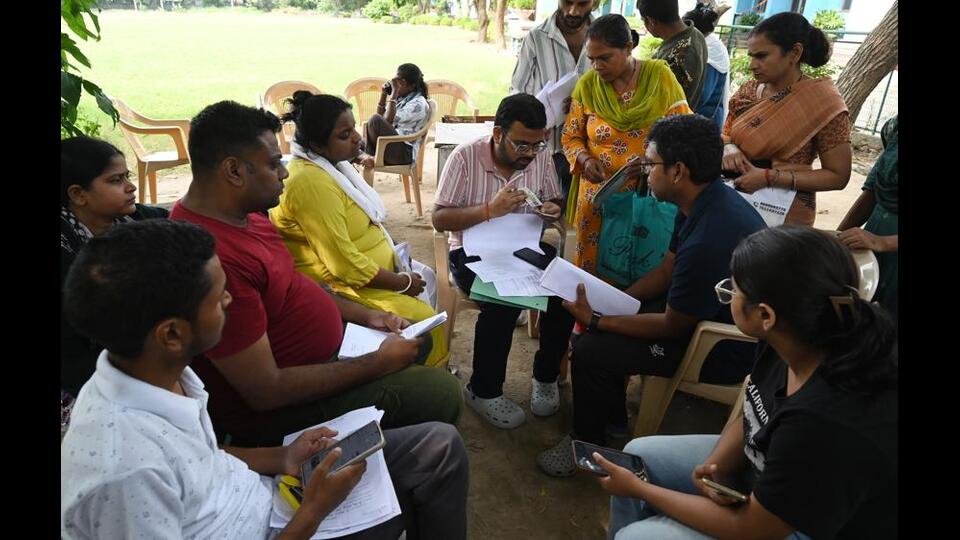
The context is important. SIR was a controversial process in West Bengal and the Supreme Court had to eventually intervene to resolve the dispute between ECI and the state government. Eventually, 2.71 million people were disenfranchised because they simply ran out of time. Many of those people are still waiting due to slow-moving appeals before the judicial tribunals. In addition, those who were left out of the roll under the absent, shifted, dead or duplicate categories — numbering close to 9 million names — have also lost a chance to come back to the rolls with the suspension of SSR.
The CEO not citing any reason or future schedule has created avoidable confusion in a state. Further, the state government’s move to link SIR to some welfare benefits underlines that any mistaken deletion or delayed enrolment can have real-world consequences for people. No Indian citizen should be made to live through this kind of uncertainty. Given the circumstances, both ECI and the Bengal CEO should set the record straight, cite clear reasons for the postponement of SSR, and share a concrete road map to launch the drive.


