
 E-Paper



The cost of an unequal world
Covid has sharpened inequality within and between countries. This will trigger unrest

 Prefer HTon Google


In its report on global economic prospects released on Tuesday, the World Bank projected a sharp slowdown in the global economy. But the report’s most significant takeaway was its assessment of how the pandemic has sharpened inequality. This threatens to reverse historic development gains; leave millions of citizens worse off than they were even three years ago; close pathways to better education, health, and professional opportunities; trigger, to paraphrase the Bank’s president, a “permanent scar” on development; and lead to socio-political unrest which governance structures, both domestic and global, are ill-equipped to mediate.
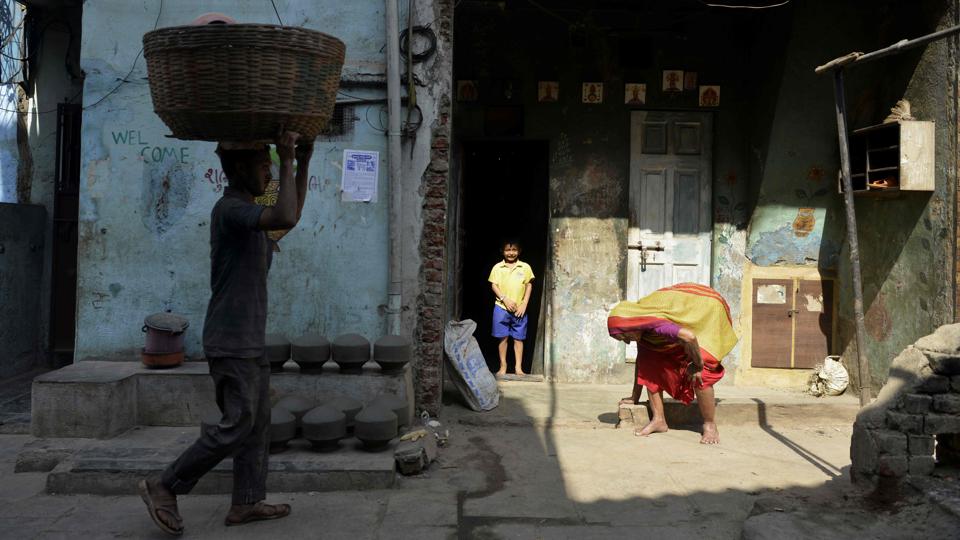
Here is how the numbers stack up. After two decades of a dip in inequality within countries, in the past two years, the Gini coefficient — the metric used to measure income inequality — increased, on average, by 0.3 points in 2020 and extreme poverty rates increased in 33 of the 34 countries studied by the Bank’s economists. The gap between countries has grown even starker. By 2023, all advanced economies will have achieved a full output recovery; yet output in emerging and developing economies will remain 4% below its pre-pandemic trends. Half or more of the economies in East Asia and the Pacific, Latin America and the Caribbean, West Asia and North Africa, and two-fifths of the economies in sub-Saharan Africa will remain below their 2019 per capita Gross Domestic Product levels by 2023. Not surprisingly, global interpersonal inequality has also increased. The Bank estimates a 3.3% income decline for the bottom quintile of the population; the corresponding figure for the top quintile is 0.5%. The prospects for medium-term inequality within countries are grim – inflation, particularly food inflation, will affect the poor more, and the learning loss caused by a disruption in education will hurt the underprivileged far more sharply.
These findings come in the wake of the recent World Inequality Report, which pointed out that the richest 10% of the global population takes 52% of the global income and owns 76% of global wealth, while the poorest 50% earns 8.5% of the income and owns 2% of the wealth. The numbers for India are even more troubling. The top 1% of the population earns 21.7% of the income, while the bottom 50% of the population earns just 13.1% of the income. Gender inequality adds to the divide. As the world becomes more unequal, be prepared for more turbulence — within societies and in the global order.


