E-Paper



MP education dept mandates online submission of PhD theses
Varsities in Madhya Pradesh have changed their rules to make it mandatory for PhD candidates to submit their theses in electronic form for final submission.


Varsities in Madhya Pradesh have changed their rules to make it mandatory for PhD candidates to submit their theses in electronic form for final submission. Under the new rules, which has been put into place to prevent plagiarism and other irregularities, students will not be allowed to submit their PhD thesis offline.
Students will now be required to submit all the document, from the synopsis to the final thesis, online.
Higher and technical education minister Umashankar Gupta said, “It is necessary to submit thesis online to put a check on plagiarism in research work. The process of converting the system has been initiated by the department. We are trying to finish it up before the next academic year so that online submission could start from July 2016.”
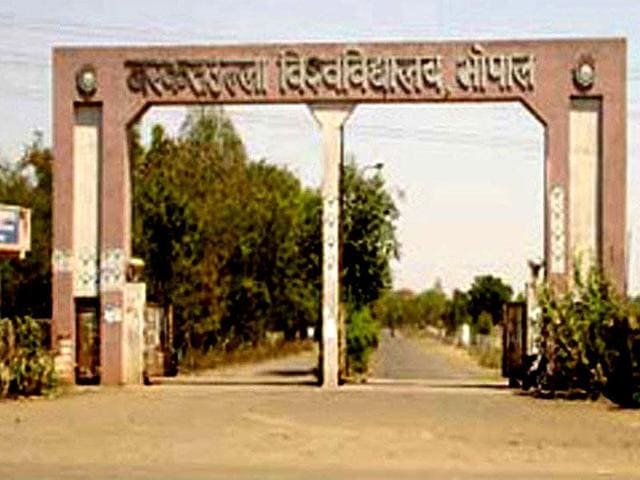
Barakatullah University had earlier launched an initiative to stop plagiarism, in which it checked for repetition in theses or research works through software. BU also received full copyright on theses of its PhD candidates under Intellectual Patent Regime (IPR).
However, academicians have argued against the latest move and have claimed that online submissions will not resolve the issue of plagiarism.
Retired professor and former academician at BU, Zameeruddin said, “Without data related to the studies, including the particular PhD topic, it is not possible to stop plagiarism with just online submission of thesis. The research work in PhD is not a terminal thing, it is directional. To check academic dishonesty, coordination among universities is necessary. Before starting online submission, the higher education department should have a list of all the research conducted in India so that repetition of topics could be stopped.”