E-Paper



Odisha govt proposes 15% quota for govt school students in engineering, medical
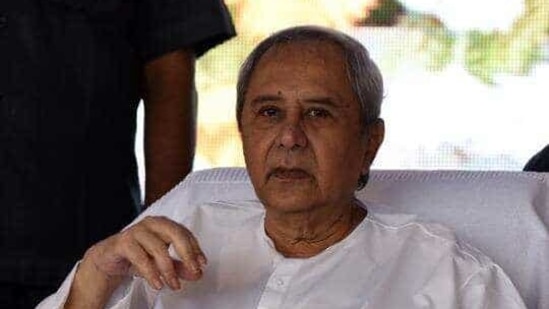
The Naveen Patnaik govt on Tuesday brought a resolution in Odisha Assembly proposing 15% reservation for government school students in engineering and medical colleges of the state.


Ahead of the panchayat polls next year, the Naveen Patnaik government on Tuesday brought a resolution in Odisha Assembly proposing 15 per cent reservation for government school students in engineering and medical colleges of the state.
The government resolution said that after introduction of common entrance examinations like NEET and JEE, the number of students from Government schools and colleges of Odisha in these courses is getting reduced considerably.
“This is not due to lack of merit, rather the students are unable to fare better in these tests due to lack of proper coaching facilities. Such common entrance tests require specialised training which is available only in coaching centres. Such coaching centres are mostly located in urban areas and costly,” it said. State school and mass education minister Sameer Ranjan Dash said the 15 per cent reservation formula was recommended by a high power committee headed by retired Orissa High Court judge AK Mishra.
The resolution further said students of Government schools and colleges lack both in physical and economic access to coaching centres. "This has resulted in inequitable conditions for a majority of the students of Odisha. In this backdrop the Cabinet has resolved to reserve an adequate number of seats for the students of Government High Schools in medical and engineering colleges of the state."
There are about 4200 seats in government engineering colleges and 1500 MBBS and BDS seats in government medical colleges of the state that take students through Odisha Joint Entrance Examination every year.
Last year the government of Tamil Nadu and Puduchery had passed similar resolutions to provide reservations to the government school stduents there. While TN gave 7.5 per cent reservation, Puduchery provided 7.5 per cent quota.
The resolution was passed in the backdrop of falling enrolment in government schools located in villages across the states. As per the recent data given by the school and mass education department, the total enrolment in government schools came down to 55.4 lakhs in 2018-19 from 65.4 lakh in 2014-15.
However, enrolment in private schools increased by 3.02 lakh during the same period. Even though the government has taken a slew of measures to motivate parents/children towards government-run schools, enrolment in these schools continues to go down every year.