
 E-Paper



Slip-on saris, velcro kurtas: Finally, easy ethnic wear for the differently abled


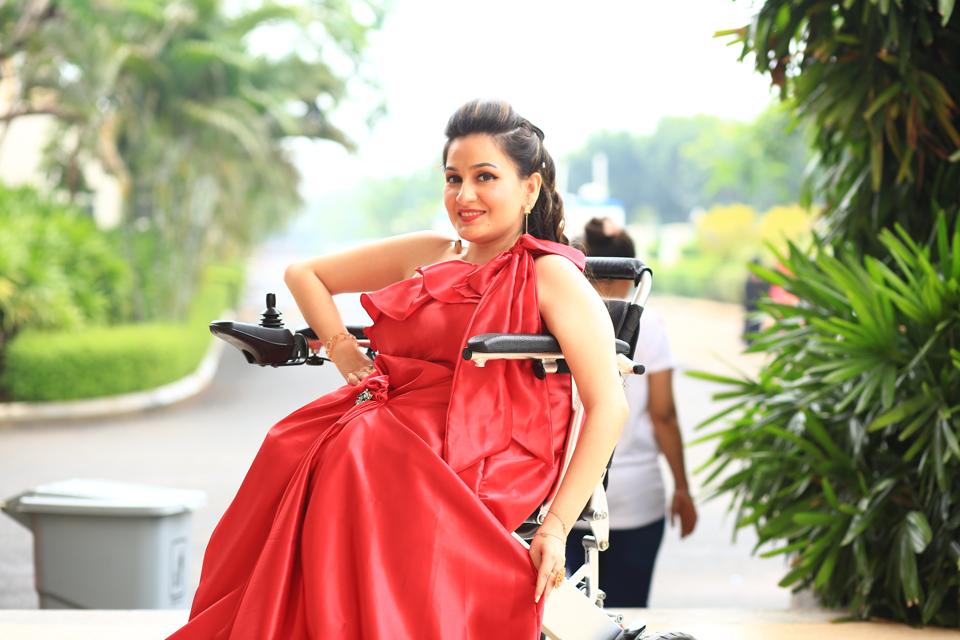
Boutique brands in India are taking to adaptive fashion — clothes that the physically challenged can put on themselves, wear to special occasions.
As urban India inches towards greater accessibility, and the number of people with disabilities grows with the growing population (the figure currently stands at nearly 27 million Indians), brands such as Orofit in Mumbai, Suvastra Designs in Chennai and Move Ability in Kottayam are taking to adaptive fashion — apparel created for the differently abled. They’re making wheelchair-friendly saris, zip-free dresses that slip on sideways, garments with magnet strips in place of buttons, and pants with adaptable seams that can be closed using velcro.
Shalini Visakan, a graduate from NIFT (the National Institute of Fashion Technology), started her adapative fashion line by making apparel for her husband, who is wheelchair-bound. She designs formal trousers with elastic waistbands and expanded into women’s wear by making a one-piece, slip-on sari for a friend’s mother. “She wanted to be able to wear a sari to her temple,” says Visakan. “This one slips on like a dress; you pin the pallu over the front, and that’s it. No draping, no dragging in the wheels.”
Visakan also designs custom-made lehengas and sherwani-kurtas for wheelchair users. “The pants have extra space so people can fix their catheters pouches or cups and still be comfortable.” There are also pants with zippers down the sides and, for women, tops that slip on upwards and are fastened at the shoulders.
“All the modifications are designed to be invisible, or hidden under buttons or lace, so the person wearing them doesn’t feel their sense of style has been compromised. I think that’s important because so much of our confidence at special events comes from feeling good about what we’re wearing,” Visakan says.
Custom made
Move Ability in Kottayam designs clothing for people with motor function disabilities. They work with movement therapists to assess customers’ needs. Joe Ikareth, another NIFT graduate, co-founded Move Ability with his wife Murielle, a creative movement therapist. They have a range of ikat and floral prints as well as quirky kitsch. “We use material that breathes and is stain-resistant. The motivation for this project comes from parenting our 15-year-old daughter, Tilotama, who has a partially paralysed arm, among other physical issues,” Joe says.
At Orofit, a luxury bespoke clothing brand exclusively for men, adaptive formal wear starts with a visit from the in-house stylists. They discuss what the client is looking for, go through the brand’s general catalogues and decide, together, how to customise the clothing.
Their offerings are similar to those by high-street brands like Tommy Hilfiger, whose Tommy Adaptive has jeans with one pant leg ending at the knee (for amputees), one-hand zippers, and buttons on the shoulders for easy undressing. Nike, meanwhile, has a FlyEase line that offers sneakers with zippers for the differently abled.
Rashmikant Shah, 52, an entrepreneur from Mumbai, has shirts made for him by Orofit. “I have a paralysed arm, so they designed formal shirts for me with openings in the side as well as the front,” he says. “If earlier it took me close to an hour to dress, it now takes me half an hour.”
Follow more stories on Facebook and Twitter
At Hindustan Times, we help you stay up-to-date with latest trends and products. Hindustan Times has affiliate partnership, so we may get a part of the revenue when you make a purchase.

Catch your daily dose of Fashion, Taylor Swift, Health, Festivals, Travel, Relationship, Recipe and all the other Latest Lifestyle News on Hindustan Times Website and APPs.


