
 E-Paper



ILBS tests over 30,000 blood donations using advanced NAT screening
Delhi’s Institute of Liver and Biliary Sciences has screened more than 30,000 blood donor samples with Individual Donor-NAT since January 2024.

 Prefer HTon Google


The Institute of Liver and Biliary Sciences (ILBS) in Delhi has tested more than 30,000 blood donor samples using Individual Donor Nucleic Acid Testing (NAT) since introducing the technology in January 2024, according to the institute.
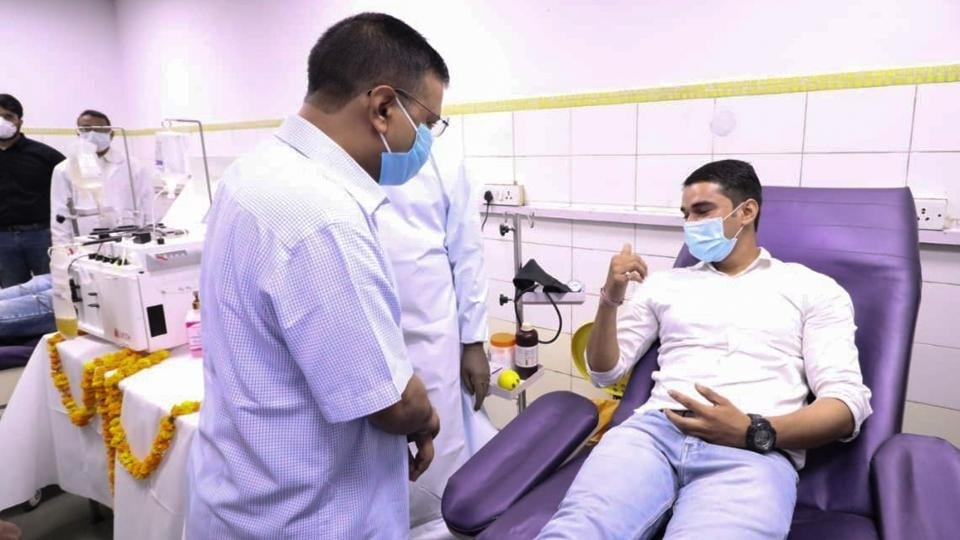
ILBS said it is currently the only Delhi government hospital conducting Individual Donor-NAT testing. The facility uses molecular screening to detect infections that can be transmitted through blood transfusions, adding a layer of screening to help improve the safety of donated blood and blood components.
Earlier detection of infections
NAT detects the genetic material of viruses, including HIV-1, HIV-2, hepatitis B and hepatitis C. Unlike conventional serological tests, which detect antibodies or antigens, molecular testing can identify infections earlier, reducing the period during which an infected donation may escape detection.
According to ILBS data, Individual Donor-NAT reduces the estimated detection window for HIV-1 from 15 days to 4.5 days. For hepatitis C, the window falls from 58.3 days to 2.2 days, while for hepatitis B it decreases from 38.3 days to 16.3 days. These estimates compare antibody/p24 antigen testing with Individual Donor-NAT.
Capacity to support government blood centres
ILBS has established a NAT laboratory equipped with the Procleix Panther system manufactured by Grifols. The institute said the system can perform up to 36,000 tests a month when operated round the clock.
The laboratory was designed to meet ILBS's own requirements and support NAT screening across the Delhi government blood-centre network. According to the institute, its stated capacity is sufficient to cater to the combined NAT testing requirements of all Delhi government blood centres, both at present and in the foreseeable future.
The availability of the technology within the public healthcare system allows government blood centres to draw on advanced molecular screening infrastructure for donated blood. The testing is intended to improve the early detection of HIV and hepatitis infections and strengthen safeguards for patients who require transfusions.
ILBS said the facility reflects its focus on combining specialised expertise, advanced diagnostic technology and public-sector healthcare infrastructure to improve patient safety.


