
 E-Paper



Uttarakhand crosses 3 lakh mark in Lakhpati Didis
Uttarakhand proudly reports over 3 lakh women becoming Lakhpati Didis, achieving incomes above ₹1 lakh.

 Prefer HTon Google


Uttarakhand has crossed the three lakh mark in the number of women who have become Lakhpati Didis, with 3,03,696 women reporting annual incomes above ₹1 lakh by the end of financial year 2025-26, according to the state government.
The government has set a target of making 1.12 lakh more women Lakhpati Didis during 2026-27 and said departments are working to achieve it ahead of schedule.
The Lakhpati Didi initiative was launched in November 2022 under the Uttarakhand State Rural Livelihood Mission to strengthen women’s incomes and the rural economy. Women associated with self-help groups are using government grants and credit schemes for organic farming, food processing, spice production, handicrafts, dairy and livestock, beekeeping, mushroom cultivation and homestays.
Women are also producing millet-based bakery products as demand for them grows.
The government has established 24 growth centres, 33 nano packaging units and 17 Saras centres to support processing, sales and market access. Saras fairs are organised at district, state and national levels to connect products with larger markets.
The House of Himalayas brand has helped give products made by women’s self-help groups and rural producers wider recognition. The government said better branding, packaging and quality have increased demand in major cities.
More than 5.19 lakh women are organised under the rural livelihood mission across all 13 districts and 95 blocks. They are part of 70,767 self-help groups, 8,179 village organisations and 615 cluster-level federations.
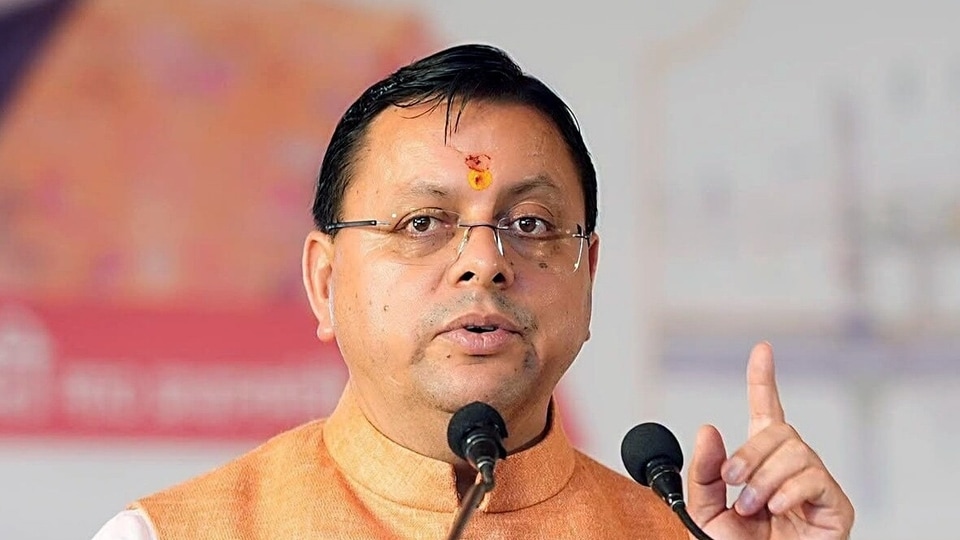
Chief Minister Pushkar Singh Dhami said women were playing a leading role in Uttarakhand’s economic and social development. The government has also highlighted 30% horizontal reservation for women in government services and 33% reservation in cooperative societies, along with schemes supporting entrepreneurship, livelihoods, drones and solar energy. The programme has exceeded annual targets ahead of deadlines.


