E-Paper



Germany’s AfD is closer to power than ever. Why Merz, Europe and the world are watching
The AfD’s breakthrough in Saxony-Anhalt is a setback for Merz and could embolden nationalist parties across Europe ahead of a crucial year of elections.

 Prefer HTon Google


Germany’s Alternative for Germany (AfD) has scored its biggest electoral breakthrough yet. The party won 43.8% of the vote in the eastern state of Saxony-Anhalt. It finished far ahead of Chancellor Friedrich Merz’s Christian Democratic Union (CDU), which managed just 17.2%.
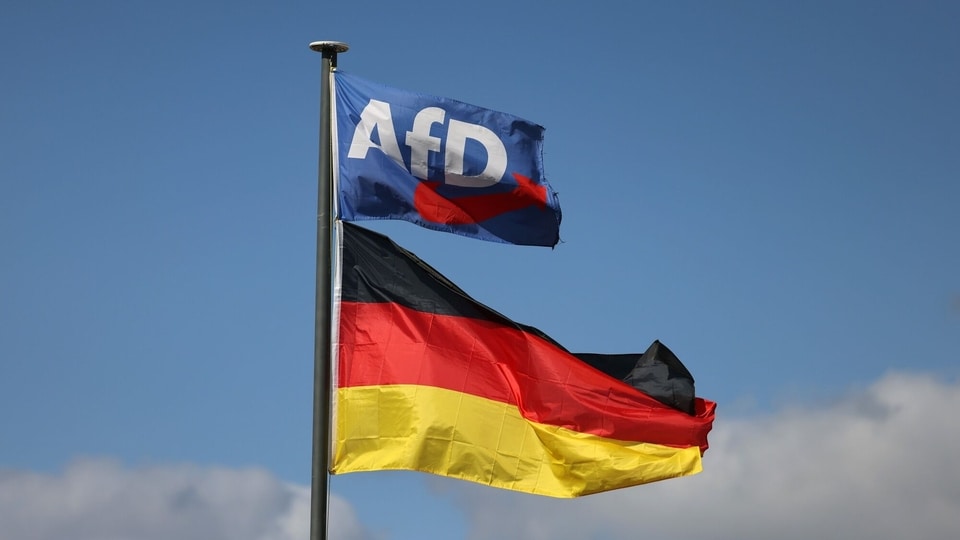
The result is historic because of the scale of the victory, even if the AfD has not yet secured power.
The party won 39 of the 83 seats in the state parliament — three short of the 42 needed for an outright majority. That leaves its lead candidate, Ulrich Siegmund, facing a difficult question: how does a party that mainstream German politics has sought to isolate actually form a government?
The impact of this vote could extend far beyond the state's 2.1 million residents. It is a major blow to Chancellor Merz, a big boost for the AfD in upcoming elections, and an encouraging sign for nationalist, anti-immigration parties across Europe.
What happened in Saxony-Anhalt?

The AfD’s 43.8% vote share was more than double its result in the last state election. The ruling CDU, which has governed Saxony-Anhalt since 2002, collapsed to just 17.2% and 15 seats. The SPD took 9.3%, while the Greens and Left parties each earned around 8.6-8.9% and eight seats. The left-wing populist BSW—which also opposes immigration and favors closer ties with Russia—won five seats with 5.3% of the vote.
According to AP, voter turnout was high at 77.8%.
For the AfD, the result represents something it has never achieved in post-war Germany: a realistic opportunity to lead a state government.
Siegmund called the result “sensational” and said the party had received a mandate to govern. “We have made history in this state,” he said after the projections came in, according to the BBC.
That matters because Germany’s mainstream parties have maintained what is known as the Brandmauer, or firewall, a refusal to cooperate with the AfD. There is also a formal reason for the resistance. Germany’s domestic intelligence authorities have classified the AfD’s Saxony-Anhalt branch as right-wing extremist. The party has repeatedly rejected such characterisations and disputed the classification.

But the mathematics of the election has made the firewall harder to maintain without creating a political deadlock.
Siegmund has rejected the idea of leading a minority government, while the CDU has reiterated that it will not govern with the AfD. The BSW, meanwhile, has criticised the firewall and could potentially play a role in determining who governs, although it has said it would not simply elect Siegmund as minister-president.
The AfD could theoretically gain the numbers needed to govern if lawmakers from other parties defected to it, AP reported.
Also read: How the anti-AfD firewall broke German politics
What does the AfD want on immigration?
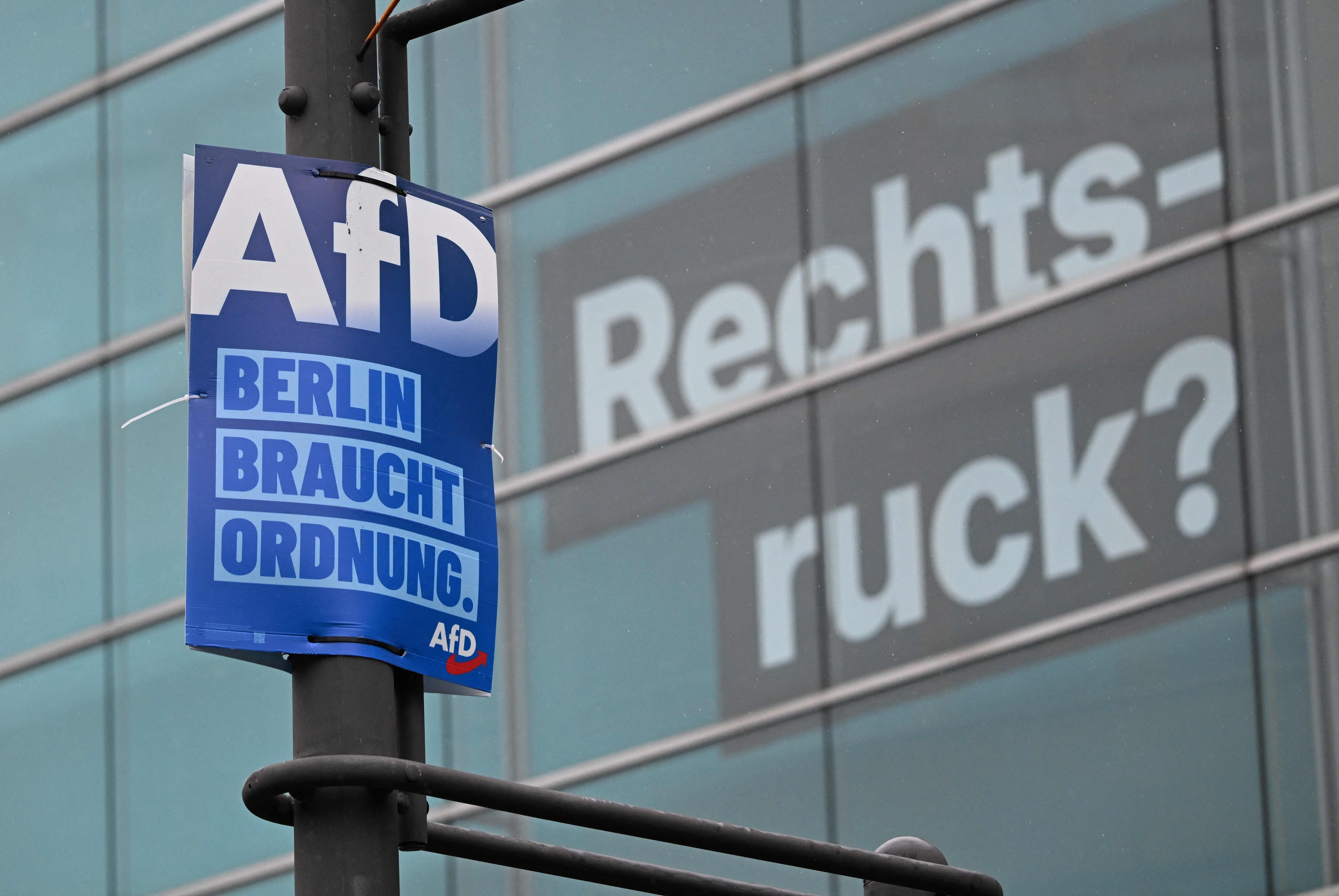
Immigration has been one of the central issues behind the AfD’s rise, and its position goes considerably beyond calling for tighter borders.
The party advocates what it calls “remigration”, a term it uses for policies aimed at encouraging or enforcing the departure of migrants from Germany. The issue has become particularly controversial because of disagreements over whom such policies would target and how they would be implemented.
In Saxony-Anhalt, Siegmund campaigned on tougher measures against irregular migration and called for more deportations. The party has also linked immigration with concerns over crime, security and pressure on public services. The AfD has argued that Germany needs a fundamental change in its migration policy, including stricter asylum rules, faster deportations and greater emphasis on integration and cultural assimilation.
Its critics say the party’s proposals go beyond conventional immigration controls and could affect people who are legally resident in Germany or have German citizenship but have migrant backgrounds. The party’s immigration stance has been one of its biggest sources of electoral support, particularly among voters who are dissatisfied with the established parties’ handling of migration and security.
At the same time, the issue has been central to efforts by Germany’s mainstream parties to keep the AfD outside government. The classification of its Saxony-Anhalt branch as right-wing extremist by domestic intelligence authorities has added another layer to that.
Why is this a big blow for Merz?
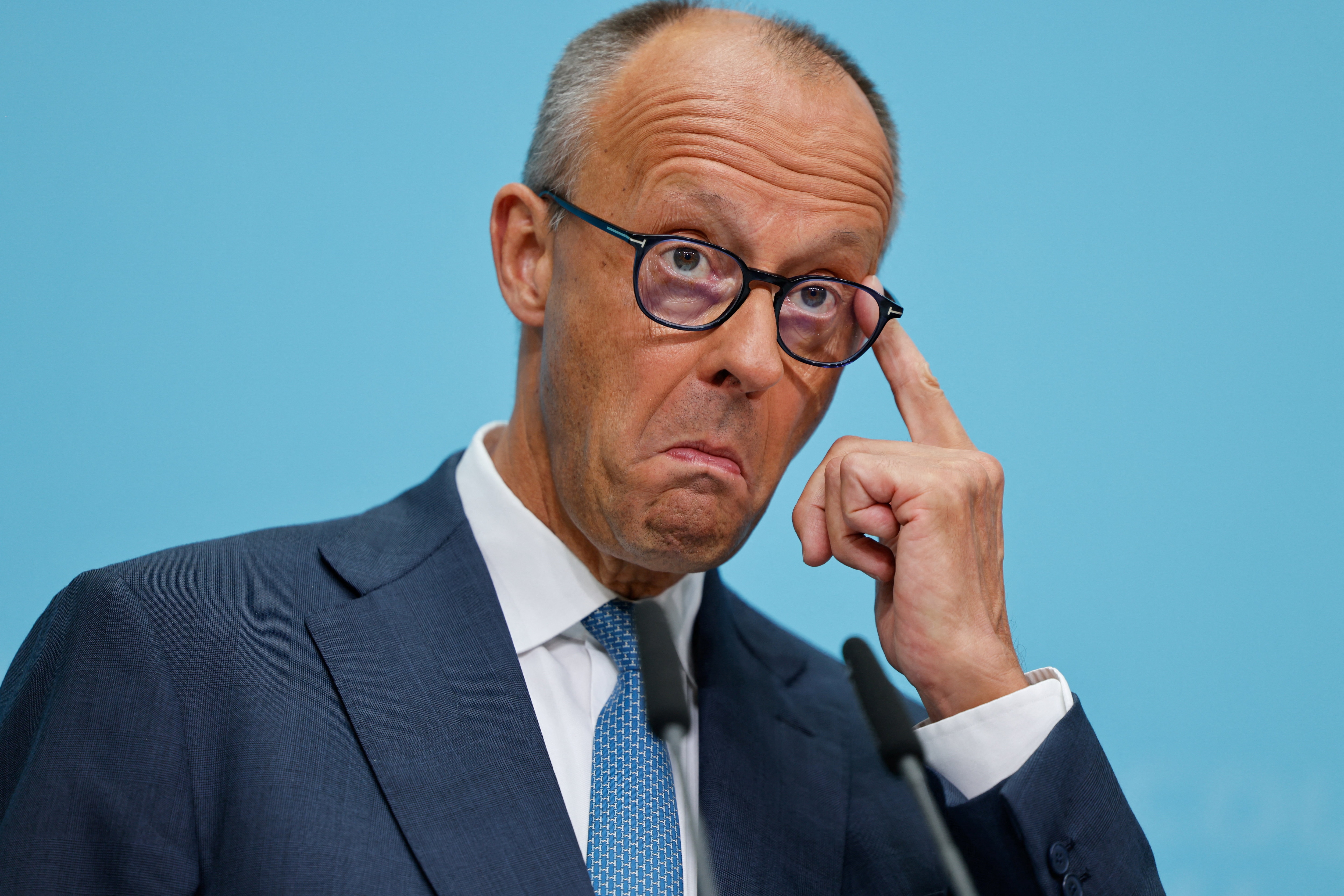
The Saxony-Anhalt result is a direct setback for Friedrich Merz.
The CDU’s vote share was roughly halved compared with the previous election, while the AfD more than doubled its support. The defeat is particularly damaging because Merz had made containing the AfD’s rise one of his political challenges. The election had already been seen as an important test of the chancellor’s popularity. The AfD has also been polling strongly at the national level, making its state-level surge harder for Berlin to dismiss as simply an eastern German anomaly.
Siegmund openly turned the election into a referendum on Merz. After the result, he said, as per The Guardian: “A very good campaigner for us in this election was Friedrich Merz.”
The issues driving the AfD’s campaign were also national ones: migration, domestic security, energy policy and dissatisfaction with the federal government. That leaves Merz with a difficult political problem. The AfD’s success could increase pressure on the CDU to take a harder line on immigration and other issues, while simultaneously making cooperation with the party even more contentious.
Also read: Why heatwave surge is a political problem in Germany
Trump, MAGA and the AfD: Why the US reaction matters
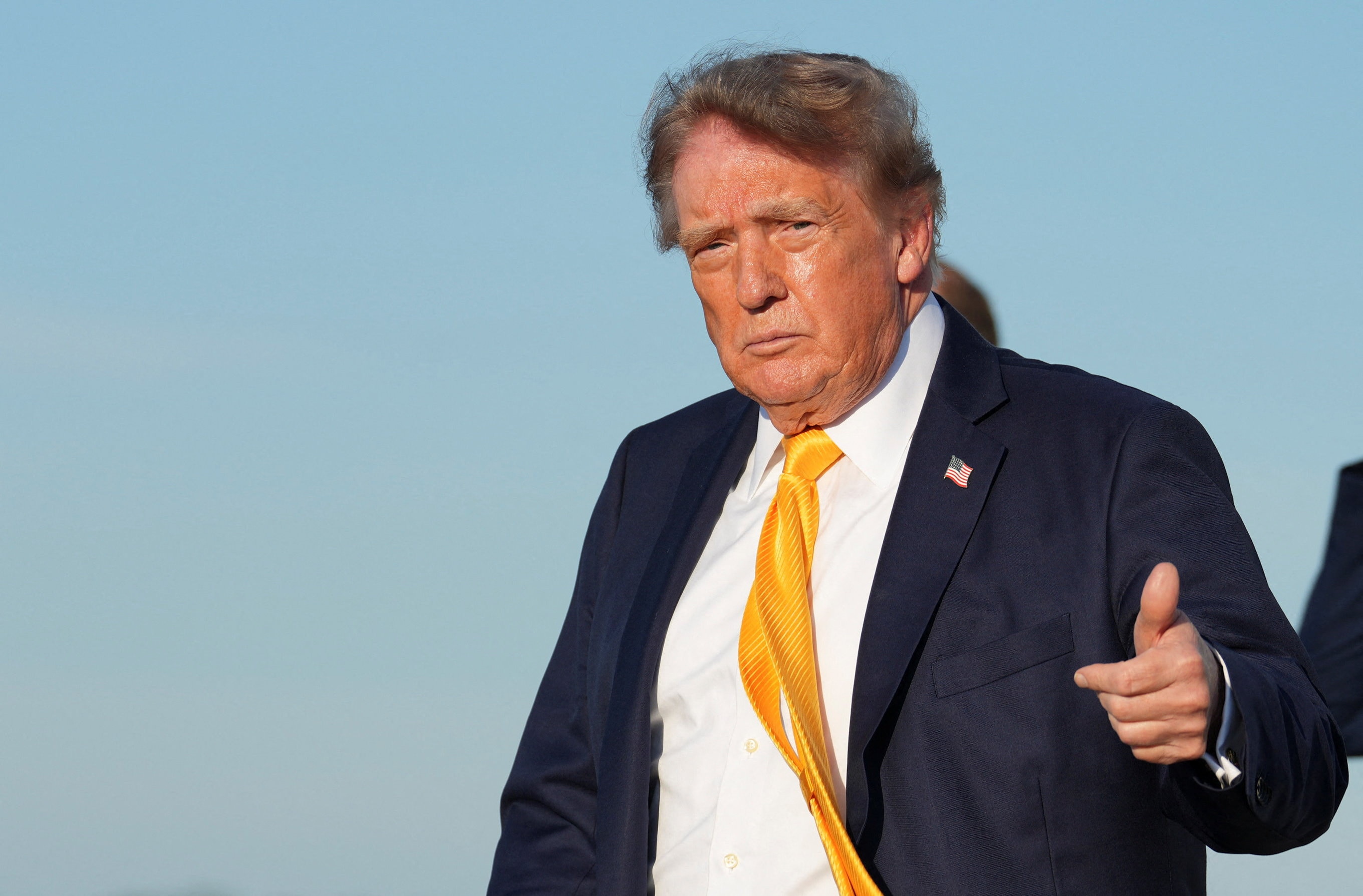
The result also drew attention from Washington.
US President Donald Trump shared a screenshot showing polling figures from the Saxony-Anhalt election on his Truth Social account. He did not add a detailed comment to the post, but the decision to highlight the result was notable given the political similarities between parts of the AfD’s message and Trump’s MAGA movement.
Both movements have built support around nationalism, hostility towards immigration, criticism of established political elites and opposition to what they portray as liberal political and cultural orthodoxy. The comparison should not be taken to mean that the two movements are identical. The AfD has its own positions on Germany’s relationship with the European Union, Russia, Ukraine and the country’s post-war political order. But the political overlap is significant.
Trump’s call to post the Saxony-Anhalt result therefore offered another indication that the AfD’s electoral advance is being watched beyond Germany.
What does the AfD surge mean for the rest of Germany?
The AfD has long been strongest in Germany's former communist east, where economic differences with the west, political discontent and resentment towards established parties have created fertile ground for the party. The BBC noted that the AfD now also polls as Germany's biggest political party nationally.
The state itself has many of the characteristics that have helped the AfD establish a strong base: it is among Germany's poorer regions, has an ageing and shrinking population, and remains dependent on foreign workers. The German Economic Institute warned that the AfD's immigration policy could be "calamitous" for the state's economy because of that dependence.
The party has actively tapped into "Ostalgie." This term refers to nostalgia for aspects of life in communist East Germany. It uses this sentiment to campaign against what it paints as an out-of-touch political establishment.
This is important because the AfD's challenge is no longer simply about whether it can win protest votes. It is increasingly about whether it can turn those votes into governing power. It already won the 2024 state election in neighbouring Thuringia but failed to secure enough support to form a government.
Why Europe is watching Germany’s political shift
The result has also triggered a reaction across Europe because Germany remains the EU’s largest economy and one of its most important political and military powers.
French officials described the result as deeply concerning. Finance Minister Roland Lescure called it a “very, very worrying signal”, while European Affairs Minister Benjamin Haddad described the AfD victory as a “very grave moment for Europe”. Poland’s Foreign Minister Radosław Sikorski also called it a “very worrying sign”.
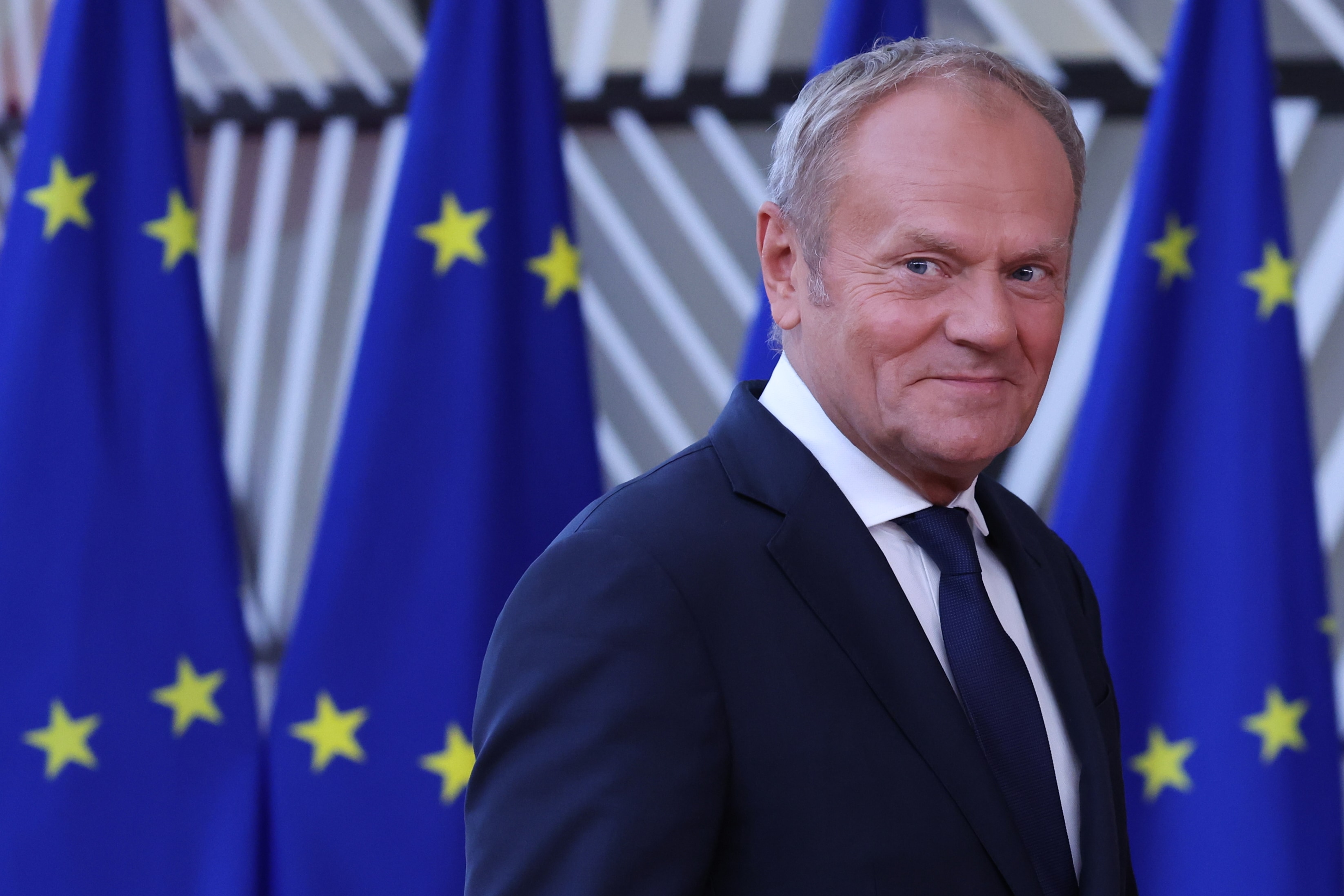
Polish Prime Minister Donald Tusk went further, saying: “only idiots or traitors can rejoice at the triumph of the AfD in Germany.”
But several figures from Europe’s nationalist and anti-immigration right celebrated the result. Spain’s Vox leader Santiago Abascal called the victory “a great hope for Germany and for Europe”. Italy’s Deputy Prime Minister Matteo Salvini described it as a “resounding success”, while Hungary’s Viktor Orbán called it “a huge night for Germany and Europe”.
Europe is heading into several key elections over the next year. Voters in many countries will decide between traditional mainstream parties and growing nationalist, anti-immigration groups. The AfD’s victory could give these right-wing parties a big boost.
The BBC noted that divisions over Russia, NATO and sanctions could become particularly consequential if nationalist parties continue to gain influence.
Germany, Russia and Ukraine: Why its foreign policy matters

Germany is one of the largest donors to Ukraine, according to BBC, and has become a central player in Europe’s effort to support Kyiv against Russia. The AfD, however, has taken a sharply different position.
The party wants Germany to stop military aid to Ukraine, end sanctions against Moscow and restore access to cheaper Russian energy. Its Russia-friendly stance has made it particularly controversial at a time when Germany and its European allies are trying to maintain pressure on the Kremlin.
An AfD-led government in Saxony-Anhalt would not be able to unilaterally change Germany’s foreign or defence policy. Those decisions are made at the federal level. But the political symbolism matters. A party campaigning on ending support for Ukraine and improving relations with Russia could gain a powerful platform if it succeeds in governing even one German state. Critics have also raised concerns about whether an AfD-controlled state government could provide Moscow with greater opportunities for influence or access to sensitive information; the AfD has rejected those claims.
The result comes at a particularly sensitive moment for Europe. The war in Ukraine continues, NATO faces security challenges, and European nations are under pressure to take greater responsibility for their own defense. According to the AP, the election adds another distraction for Germany. This comes as Europe navigates Russian aggression against Ukraine, suspected sabotage targeting NATO countries, and complex relations with Trump.
Also read: A surrogacy scandal throws Germany’s conservatives into turmoil
Can the AfD actually govern — and why does this vote matter?

For now, the answer is uncertain.
The AfD has the largest bloc in the Saxony-Anhalt parliament but lacks the three seats needed for a majority. The mainstream parties still oppose formally working with it, leaving the state facing complicated coalition negotiations. That means the AfD may win the election and still fail to produce a government.
But Germany’s post-war political system has treated the exclusion of extremist parties from government as a central democratic safeguard. The AfD has now come closer than any such party in modern Germany to breaking that barrier at the state level.
That is why the question after Saxony-Anhalt is no longer simply whether the AfD can win. It is whether Germany’s political mainstream can prevent an electoral victory from becoming governing power — and whether the AfD’s success will encourage voters and parties elsewhere in Europe to push further in the same direction.