
 E-Paper



The pen, the platoon and the price of a seat
This article is authored by Major General Dhruv C Katoch (retd), director, India Foundation and former director, Centre for Land Warfare Studies (CLAWS).

 Prefer HTon Google


On August 18, 2021, with the external affairs minister in the chair, the Security Council adopted Resolution 2589. India had circulated the zero draft three weeks earlier, carried it through two rounds of negotiation, and secured more than 80 States as co-sponsors before a unanimous vote. It was the first time the Council had squarely addressed the killing of peacekeepers and the near-total absence of subsequent prosecutions. In December 2022, again under India's presidency, India helped launch the Group of Friends for accountability, a group of some 40 States that India co-chairs to this day. On this subject, India has not merely participated. It has led.
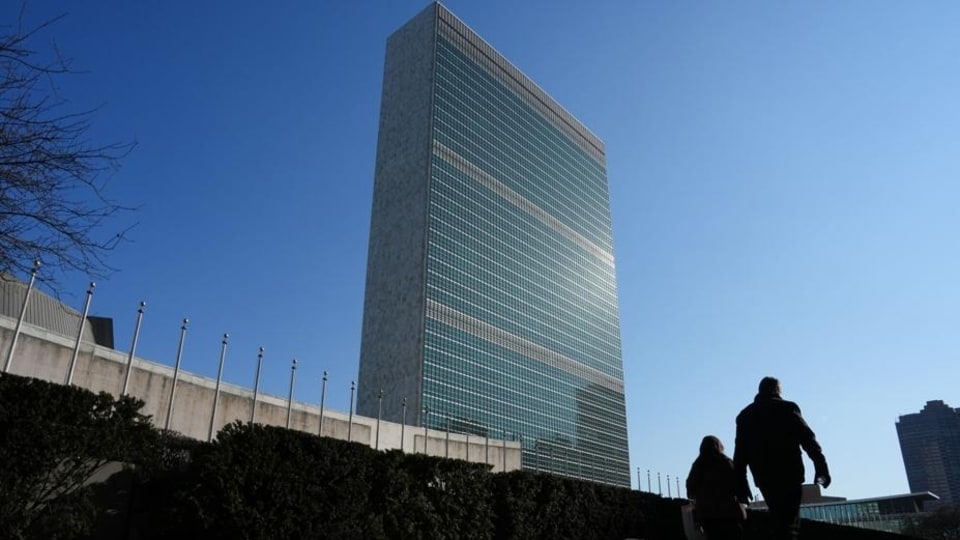
On June 23 this year, the Council revisited the question and adopted Resolution 2823. Host governments must now investigate and prosecute attacks on peacekeepers; the Secretary-General must designate a senior official responsible for accountability and report annually on the status of the cases, with the first report due within 120 days. The vote was again unanimous, with 153 States supporting it, including India. The pen was held by Denmark and Pakistan, both of which hold elected seats until December.
What happened to that draft in their hands is where the argument ceases to be about protocol. The text, as first circulated, proposed a standing envoy for accountability; permanent members objected to the cost of a new post, and it was reduced to an existing official with an additional title. It proposed quarterly reporting; that became annual. Language requiring missions to investigate ran into objections about host State sovereignty and was diluted to establishing a factual record for the host state’s own use. What survives is an encouragement for troop-contributing countries to send trained investigators at the host government’s request.
Each concession is defensible in isolation. Together, they determine whether the instrument has teeth, and at least two would have been resisted by a troop contributor at that table. The occasion was hardly academic. Six Bangladeshi peacekeepers were killed in December when a drone struck a logistics base in Abyei; seven more died in southern Lebanon between March and June; and 59 lost their lives on duty last year. Nearly 4,500 have died since 1948, and the number of people convicted of killing one of them would not fill a jeep.
What India has in place of a pen is Resolution 1353 of 2001, adopted after years of pressure from contributors. It provides for meetings and briefings before a mandate is renewed, and an undertaking that our views will be considered. There is no drafting role, no vote, and no sight of a text before adoption. Article 44 of the Charter, which has stood since 1945, promises more: The Council shall invite a contributing State that is not a member to participate in decisions concerning the employment of its contingents. Nobody argues it has lapsed. In 80 years, it has never been used for peacekeeping.
The defence usually offered is not a foolish one. Fifteen States already struggle to agree on a text, and widening the drafting would yield fewer resolutions rather than better ones. That would carry greater weight if the pen and senior appointments were distributed according to capability. A French national has headed the department that runs peace operations without interruption since 1997. Indian officers have commanded missions in the field, and Indians hold senior positions elsewhere in the Secretariat, but none has run peacekeeping from headquarters. No rule reserves the post. A convention does, and conventions are harder to argue with because nobody is ever required to defend one.
The asymmetry is becoming costly. After the Organisation was warned it would exhaust its cash by July, peace operations cut expenditure by 15% and began repatriating a quarter of all uniformed personnel. Which contingents come home, from which mission and in what sequence, is being settled under financial duress by 15 governments, few of which have soldiers of their own exposed to the consequences. The review that might have addressed this arrived on August 20: The Secretary-General’s assessment of the future of peace operations, promised in the Pact for the Future and written inside the secretariat by the two departments whose work it was meant to examine. It advises the Council to adjust or terminate mandates that missions cannot deliver, which is sensible, but provides no mechanism for either. It recommends bringing host governments into the design of mandates, and says nothing about the governments that supply the soldiers.
India has made this case politely for three decades, most recently at the conclave of troop-contributing chiefs in Delhi last October. The Council has not moved beyond the 1353 model in 25 years and will not do so on the strength of good manners. Two things are worth pressing for, neither of which requires reopening the Charter. Article 44 can be given content by bringing the principal contributors into the room when drafting a mandate governing their contingents. Co-penholding on peacekeeping files for the states that furnish most of the personnel is a matter of practice rather than law and could be settled by a presidential note tomorrow.
None of this is an argument for a permanent seat, and it is stronger for not having one. India will send soldiers to the next mission whatever the Council decides, and every delegation in that chamber knows it. In 2021, we wrote the rules under which those soldiers are supposed to be protected. Five years on, we were reduced to endorsing another country’s version, which is weaker than the one we would have written.
(The views expressed are personal)
This article is authored by Major General Dhruv C Katoch (retd), director, India Foundation and former director, Centre for Land Warfare Studies (CLAWS).


