
 E-Paper



Why Meghna Gulzar's Daayra makes for a gripping theatrical experience
From Sehmat in Raazi to Sam Manekshaw in Sam Bahadur and now Daayra, Meghna Gulzar has consistently found the human story inside extraordinary circumstances.

 Prefer HTon Google


Daayra has released in cinemas, with positive reviews and word of mouth pouring in from audience. But to understand what makes Meghna Gulzar’s latest film gritty and real, it is worth looking at the filmmaking vocabulary she has developed across her career.
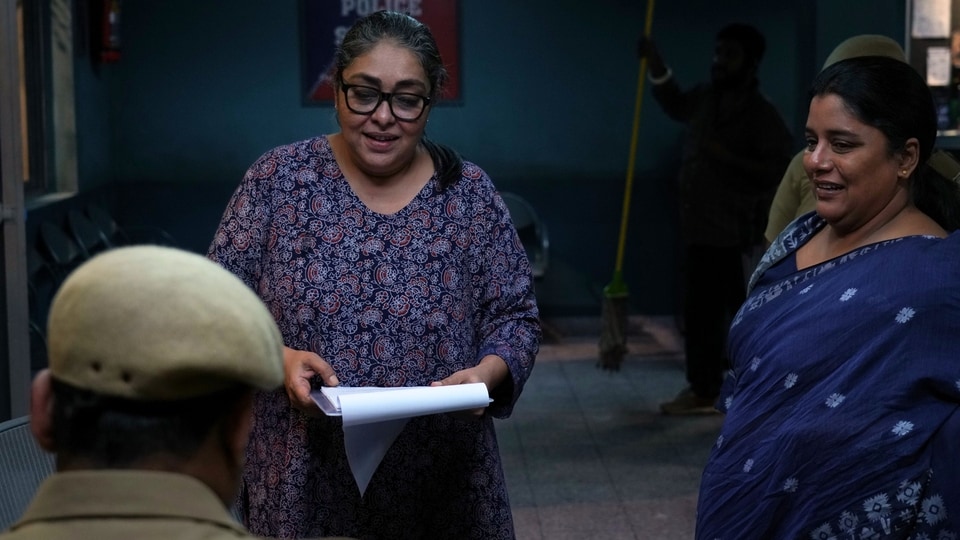
From Talvar and Raazi to Chhapaak, Sam Bahadur and now Daayra, Gulzar has repeatedly gravitated towards stories where individuals collide with institutions, where personal choices have larger consequences, and where the answers are rarely as simple as they first appear.
A National Award-winning filmmaker, Gulzar has created a distinctive space for herself in Hindi cinema. Her films may span murder investigations, espionage, acid attacks and military history, but beneath these very different subjects lies a consistent preoccupation: the individual within the system.
She is less interested in creating straightforward heroes and villains than in examining what happens when people are placed in circumstances larger than themselves.
Looking Beyond The Obvious
In Talvar, based on the 2008 Noida double murder case, Gulzar refused to turn a complex investigation into a straightforward whodunit. The film moved through conflicting investigative perspectives, making uncertainty itself part of the drama. Starring Irrfan Khan, Konkona Sen Sharma and Neeraj Kabi, Talvar found its tension not just in the crime, but in the fallibility of the systems trying to uncover the truth.
With Raazi, Gulzar entered the familiar territory of espionage and patriotism but approached it through the deeply personal journey of Sehmat, played by Alia Bhatt. What could have been a conventional spy thriller became a story about a young woman caught between duty, identity, family and conscience.
Even the people on the other side of the border were not reduced to convenient villains. They had families, relationships and vulnerabilities. That choice gave Raazi an emotional complexity that went beyond the conventional language of patriotism and war.
Sam Bahadur presented yet another challenge. A film about Field Marshal Sam Manekshaw, played by Vicky Kaushal, could have rested comfortably on military achievement and national heroism. Gulzar chose instead to look behind the legend. His humour, relationships, personality and idiosyncrasies became as important as the uniform and the battlefield.
Across these films, the subjects change dramatically. The instinct does not.
The Human Being Inside The Institution
Gulzar’s cinema repeatedly asks audiences to look beyond the headline.
A murder investigation becomes a study of how institutions search for truth. An espionage story becomes a study of duty and personal sacrifice. An acid attack becomes a story about reclaiming identity. A celebrated military commander becomes a man behind the legend.
Her characters do not make choices in isolation. They exist within families, police stations, courts, armies, governments and societies—and those structures influence the choices they make.
The hero can have contradictions. The institution can make mistakes. A person seeking justice can be driven by anger. A decision that feels necessary to one person can look very different from another perspective.
Gulzar allows her characters to be shaped by the circumstances around them, rather than reducing them to a single defining trait.
Enter Daayra
That sensibility comes sharply into focus in Daayra.
The film brings Kareena Kapoor Khan and Prithviraj Sukumaran together for the first time as two senior police officers who find themselves with fundamentally different convictions about justice. One officer believes justice must follow the law, the other believes justice cannot wait for the law. What happens when both are forced to choose?
Daayra is not simply about choosing between two opposing viewpoints. It is about what happens when law, justice, public anger, personal conviction and institutional responsibility begin to collide. The debate, therefore, isn't simply police versus courts. It is speed versus due process.
And perhaps that is the conversation Daayra arrives to provoke: When the demand for justice is immediate, but the law must be deliberate — where should the line be drawn?
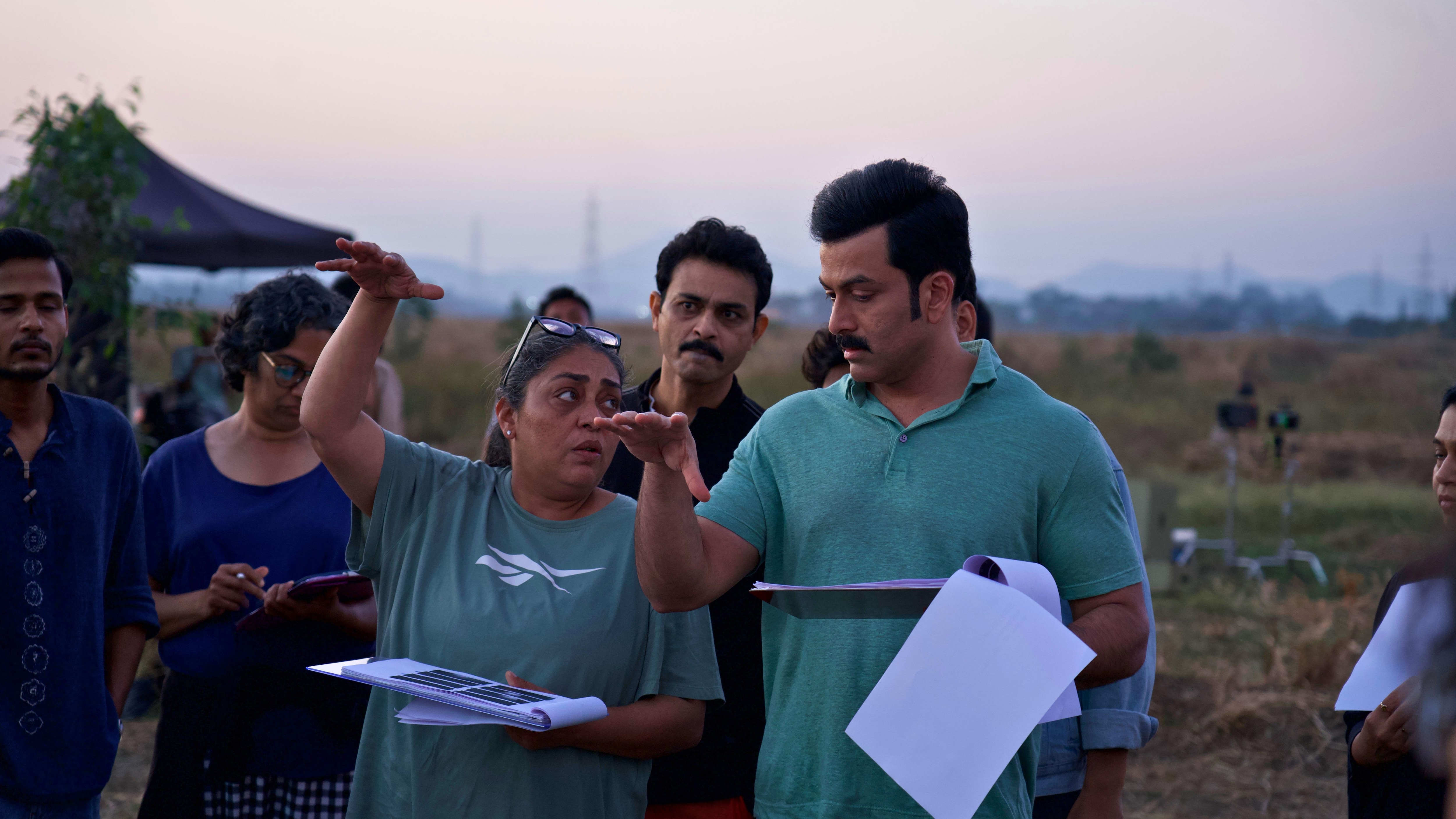
Because justice delayed is a problem. But justice without due process can become an even bigger one.
The real challenge is to build a system where justice is swift enough to restore faith, and rigorous enough to deserve it.
For Gulzar, making the film gripping was never about amplifying the crime. The challenge was to create tension from the people, the choices and the moral contradictions surrounding it.
That is where the film’s realism comes from. Kareena Kapoor Khan and Prithviraj Sukumaran bring their own layers to characters who are not simply defined by which side of an argument they occupy.
As Meghna Gulzar puts it:
“Daayra lives in a world of grey. It is a compelling story about issues in our contemporary life. The film looks at justice, law, public perception and personal conviction, and at the difficult spaces where these begin to overlap. The intense and nuanced performances of Kareena Kapoor Khan and Prithviraj Sukumaran have enriched the layers within Daayra. For me, this has been my most explorative film so far, taking me to unknown reaches of my creativity. I hope the world of Daayra immerses the audience, as much as it consumed all of us that made it.”
Talvar leaves room for uncertainty. Raazi makes patriotism personal. Chhapaak looks beyond the violence to the woman who survives it. Sam Bahadur looks beyond the military icon to the man. And Daayra enters the complicated space between law and justice, punishment and process, public perception and individual conviction.
The Grit Is In The Detail
This may be the defining quality of Gulzar’s cinema: she does not merely tell stories about systems; she examines the people caught inside them.
Her films are gritty because they pay attention to the details that make those worlds believable—the people, their choices, their relationships and the consequences that follow. Her characters are rarely reduced to the circumstances they find themselves in. The military, the police, the investigation, the family and society become more than backdrops; they become forces that shape choices and relationships.
With Daayra, Gulzar extends that filmmaking vocabulary into the contemporary crime-investigation space. The film asks audiences to look beyond the obvious—to the difficult territory where law and justice are not always synonymous, where perception can compete with fact, and where personal conviction can sit uneasily beside public judgment.
And when the credits roll, there are questions that the audience takes home.
Directed by National Award-winning filmmaker Meghna Gulzar, Daayra starring Kareena Kapoor Khan and Prithviraj Sukumaran, produced by Junglee Pictures and Pen Studios is in cinemas now.


