E-Paper



November 1 jitters: Double the parking fee, half the car trips? How Delhi is dealing with winter pollution curbing measures
With parking charges set to double from November 1, Delhi’s motorists are ready for the pinch, from resorting to Delhi Metro parking to contemplating carpooling

 Prefer HTon Google


A WhatsApp group once created to plan a party has suddenly become lively as an unlikely survival guide for a few Delhiites. “Over time, it became a space for life updates, then news and eventually traffic updates. Now, we’re slowly turning it into a guide to parking spots, cheaper alternatives and the best routes,” says a 34-year-old Dwarka resident who drives to Barakhamba Road daily.
READ | Parking cost to double in Delhi from November as govt unveils winter action plan
With news of parking charges set to double from November 1, he quips, “We’ll rely on these groups even more to find the hidden places, or maybe slip our parking guy an extra ₹100 every week or something to manage the budget.”
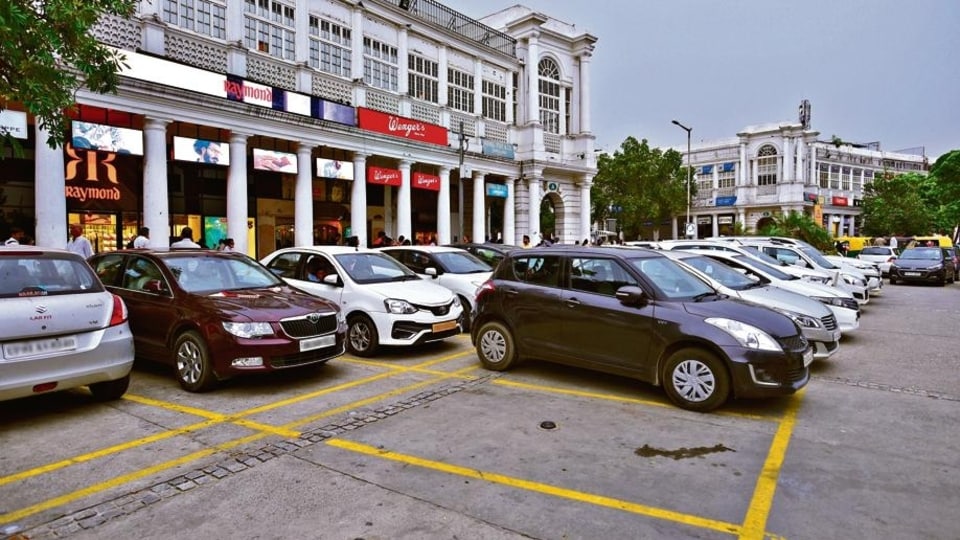
From November 1, Delhi will double charges at authorised parking sites until February 28, 2027, as part of its winter pollution-control measures aimed at discouraging private vehicle use, with the exemption of DMRC-owned and managed parking facilities.
‘I can’t simply stop using my car’
For some Delhiites, however, switching to public transport isn’t straightforward. A 47-year-old teacher and single parent who drives daily and uses her car for childcare, groceries and errands. She tells us on condition of anonymity, “This will definitely put a strain on my parking budget. Thankfully, my workplace has designated parking, but I use MCD parking when dropping and picking up my child from daycare and while running errands.”
She adds, “Discouraging dependence on personal vehicles is important to curb pollution, but it shouldn’t come at the inconvenience of the middle class. Ultimately, the brunt comes on the working man, or woman in this case!”
Pay more or change the ride?
Weekend drivers appear less worried. Ashwin Raja, 25, a technical associate at a US-based company who works from home and drives mainly for social outings, says, “Paying ₹80 instead of ₹40 for two hours isn’t that bad. But if I have to park longer, I might leave my car at the nearest DMRC parking and take the Metro, or simply Uber. If I’m paying ₹200 just for parking, I’d expect valet service at least!”
For Sharanya Verma, 25, a PwC US consultant at New Friends Colony, the increase is unlikely to change much. She primarily uses cabs and a family driver. “Driver bhaiya drops us at the location and comes back only when we call. He either pays the rate and keeps the parking receipt or finds cheaper parking nearby. At the end of the month, he submits the parking expenses to my father for reimbursement,” adds Verma.
Regular office-goers to suffer, say parking attendants
Those collecting the increased fees anticipate backlash. “Earlier in 2022, the daily charge here was ₹50, then it became ₹100. If it becomes ₹200, customers will argue with us. The government makes the rules, but we have to deal with angry drivers,” says Guddu, a parking attendant at Barakhamba Road. He expects regular office-goers to continue paying, but occasional drivers to cut back. “We saw something similar when charges increased earlier,” he says.
Despite the measures coming into force in less than a week, parking attendants say there’s much still left uncertain. A parking attendant at New Friends Colony community centre shares, “Ye rule unke liye hoga jo kuch ghanton ke liye aate hain... Regular office wale log aqsar poore mahine ka pass lete hain ₹2,000 ka... Unke liye thoda aur badhega, lekin double toh nahi kar sakte. Nahi toh ab bas phir cans aur bikes pe chale jayenge. Phir hum kya khayenge?”
Automobile influencer and car enthusiast Utkarsh Negi, 30, agrees that many motorists may simply absorb the cost. “People save up for years to buy a car, not just to leave it at home and take the Metro,” he says. Cost-conscious motorists, however, he says, could increasingly turn to carpooling and public transport. “This applies especially to the younger urban professionals with limited budgets and older people (uncles) who feel reluctant to pay the increasingly higher costs of simple commutes”, Negi adds.
Park smart, spend less
• Park and ride: DMRC-owned and managed parking is exempt from the announced doubling, making Metro parking an option for part-car, part-Metro commutes.
• Pool the commute: Split fuel and parking expenses with colleagues travelling along the same route.
• Do the math: Compare parking + fuel + car’s wear and tear with Metro fares, cabs and last-mile costs rather than parking alone.
• Bundle your errands: One longer trip could work out cheaper than repeatedly driving and parking through the day.
• Use WFH days strategically: The winter framework also provides for 50% work from home in government and private offices, potentially cutting some commuters’ weekly travel.
-Inputs from Utkarsh Negi, auto expert
For more, follow @htcity.delhijunction