
 E-Paper



Delhi’s commercial kitchens feel the heat as LPG prices rise, here’s how eateries are adapting
As LPG prices climb, food businesses across cities are facing higher input costs, with many passing the burden on to consumers

 Prefer HTon Google


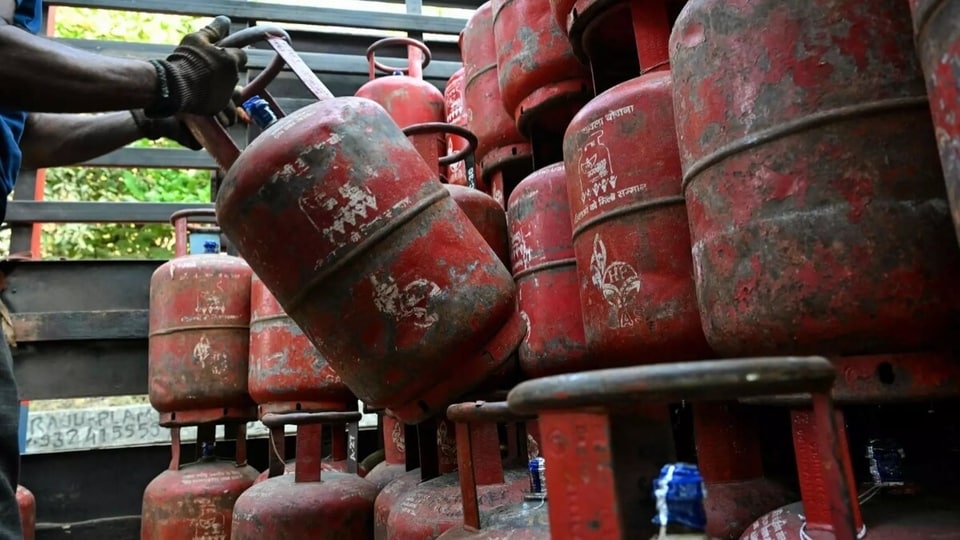
The fire in commercial kitchens just got significantly more expensive. Effective May 1, 2026, the cost of a 19-kg commercial LPG cylinder has surged by approximately ₹993, landing at a staggering ₹3,071.50, from its earlier ₹2,078, making it a nearly 50% hike. 5kg commercial cylinder prices also increased by ₹261, making it a total of ₹810.50. For many, this isn't just a price hike; it’s a systemic shock.
Varun Khera, Head of the Noida Chapter of the NRAI, notes that the industry was already teetering. "A gradual increase would have been manageable, but this sudden 50% jump is a mountain to climb," Khera explains. "It forces us to question if these prices will ever roll back? And beyond the cost, there’s an infrastructure crisis. Gas pipeline access is still limited, especially in places like Noida, where approvals are slow and inconsistent, making it difficult for businesses to shift away from cylinders despite engaging with authorities like IGL.”
While the government pushes for a gas-neutral future, the architectural reality of Delhi also stands in the way. At Café Loco in Greater Kailash, founder Joy Singh finds himself in a logistical deadlock. "We want to move to pipelines or induction, but it’s not just about the intent," Singh says. "In Delhi, regulations dictate that gas meters must be on the ground floor. If your restaurant is upstairs, you need a landlord willing to give up precious ground-floor real estate for a meter and the pipes themselves. It’s a restriction we don't see in UP or Haryana, and it essentially traps urban restaurants into staying dependent on expensive cylinders."
Future-proofing the menu
For larger chains, the blow has been softened by foresight. Rahul Singh, founder of The Beer Café, says they’ve been prepared for the other shoe to fall for a while. "Rising LPG costs are the new operating reality. We’ve future-proofed by shifting almost entirely to electrical systems and PNG. Because we moved early, our menu prices are staying put, we won't be passing this heat onto our guests."
In the outskirts of Hauz Khas Village, Café Raya is adopting a "people-over-profit" strategy. "About 60% of our menu is already oven or electricity-based, which is our saving grace," says the management. "We’ve decided to absorb the blow and cut our own margins rather than trimming the menu or hiking prices. We’d rather earn a little less today than lose the loyalty of a customer tomorrow."
In Khan Market, Ritika Sharma, co-founder, Pour Over Coffee Roasters says, “Right now, the focus is on improving energy efficiency, exploring alternative solutions, and keeping in mind our daily operations. We are also working with industry bodies to highlight these challenges and advocate for more stable pricing. Importantly, we remain committed to not passing this additional burden on to our guests, who already contribute significantly through taxes. So there are no changes to our menu prices or any tweaks to the menu. We are absorbing costs while maintaining quality and overall guest experience.”
What’s next?
As of May 2026, the industry is split. While some are protected by electric transitions, smaller standalone eateries may have no choice but to adjust. For now, the main course for Delhi’s restaurateurs is a complex mix of logistical gymnastics and financial endurance, all while hoping the global oil tide turns before the pilot lights go out.


