E-Paper



Eid-ul-Adha | Chefs from across India share traditional Bakrid food varieties that date back many years
On Eid-ul-Adha, popularly known as Bakrid, we talk to chefs Sadaf Hussain, Ishtiyaque Qureshi, M Rehman and Mohsin Qureshi on Bakrid beyond biryani

 Prefer HTon Google


On Eid-ul-Adha, popularly known as Bakrid, chefs and food historians about the traditional delectable delicacies prepared across India.
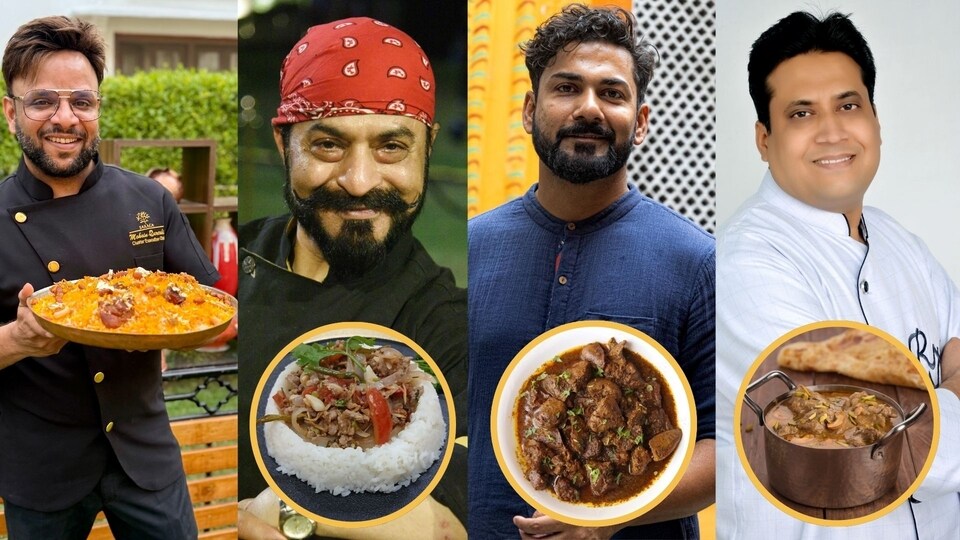
Fresh kaleji: Bihar, Jharkhand

For Chef and food historian Sadaf Hussain, the celebration of Eid begins with a heartwarming home tradition. “First, let’s talk about the basics — qurbani meat is divided into three portions: one for the needy, one for relatives and friends, and one for the family. It’s distributed without choice,” he explains.
Hailing from Ranchi (Jharkhand), he shares his fondest food memories: “The first thing that comes after qurbani is the liver, kidney, and heart. These are prepared first thing in the morning by the ladies of the family in three ways: thin gravy, thick gravy, and dry. My ammi makes amazing bhuni kaleji — a little spicy — served with thikona paratha.”
And the one dish that makes every festive table complete? “My second most favourite item, dahi bada or phulki. It’s prepared on all festivals— Holi, Diwali, Christmas, Eid — you’ll find it everywhere across religions. Kebabs, biryani, or korma comes later,” he ends.
Mince wonder: Delhi, Kashmir, and Awadh
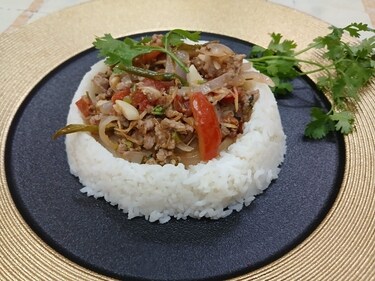
“Growing up watching my father prepare Bakrid delicacies, the first thing that comes to my mind is keema,” says chef Ishtiyaque Qureshi, founder of Qureshi Dampukht, who trained under his father, the legendary chief Padma Shri Imtiaz Qureshi.
“In Lucknow, it’s kate masale ka keema, in Delhi it becomes kofta salan, and in Kashmir, my favourite is Goshtaba, prepared in white gravy,” he says.
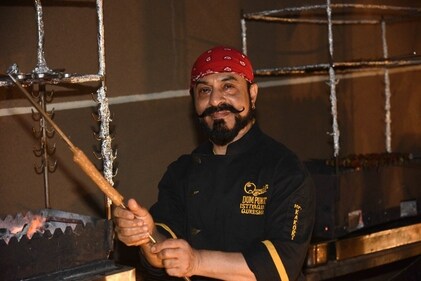
Calling kate masale ka keema outstanding and unique, the chef explains, “The most important thing is that it is fresh keema. It’s cooked in mild ghee (as it has lots of fat), with onion, garlic, ginger, chopped chillies, a little tomato, and no masala at all. Trust me, it’s heavenly. Even without masala, it bursts with flavour and is eaten with plain rice. Family and guests both love it. I recently served it at an elite gathering in Delhi and it was the most loved dish on the table.”
Rampuri Qurbani Korma: Rampur
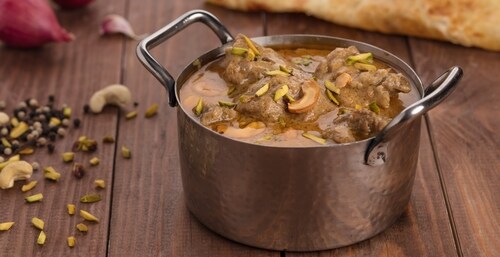
This rich mutton curry, once prepared in the kitchens of the Rampur royals, is still an essential part of Eid dinners in the erstwhile riyasat “My great-grandfather worked in the royal kitchen, and during Eid-ul-Adha, this was always a regional speciality,” says chef Mujeebur Rehman, who has been reviving Rampuri cuisine for over two decades with partner chef Abdul Haleem.
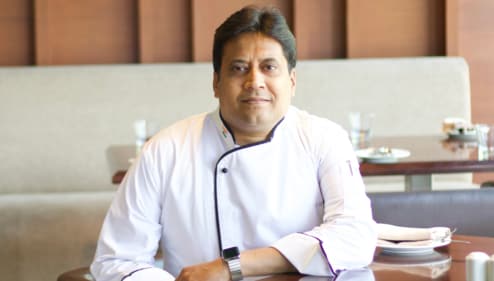
Unlike the Mughlai or Awadhi kormas, this dish uses put (spine portion) and seena (lamb breast) instead of nali. “Three types of onion pastes — mild white, golden fried, and brown — go in. Itra (essence) and nuts (cashews and chirongi) aren’t used, but star anise is an important ingredient. It’s cooked in pure ghee and, since it’s qurbani mutton, it’s rich in natural fats,” he informs, adding, “It’s no longer a Nawabi dish, though. Several households still prepare it on Bakrid.”
Mutanjan: Lucknow
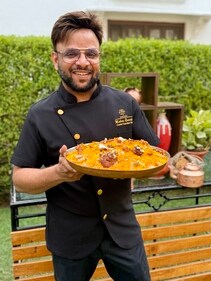
“A dessert with mild sweetness and a hint of salt, somewhat like a savoury, this is a very Bakrid-specific dish developed in the Nawabi kitchens of Awadh where, for the first time, a dessert was prepared with mutton,” says Mohsin Qureshi, executive chef at Saraca Hotels, Lucknow.
“Mutanjan is a well-known delicacy, but now confined to traditional families who prepare it on Bakrid,” he adds, noting how it rarely appears on hotel menus and is mostly seen at food festivals or family weddings.
Talking about its specialty, he explains: “Sweet and salty rice are prepared separately and layered. Small boneless crushed mutton pieces, biryani-type yakni, are folded into the dish. The good thing is that its sweetness is very mild. For commoners, it’s a mix of zarda and biryani. Rice, mutton, salt, ghee, spices, and a bit of khoya are the main ingredients.”