
 E-Paper



Desi destinations, smarter gold choices: Indian weddings are buying into Modi’s ‘Swadeshi’ appeal
Indian wedding planners and jewellers say more Indians are choosing to wed in India and reuse gold jewellery, echoing PM Modi’s ‘Swadeshi’ call.

 Prefer HTon Google


Prime Minister Narendra Modi has once again urged Indians to embrace “Swadeshi”, asking them to holiday in India, choose Indian destinations for weddings and buy gold only when necessary, to redirect spending towards the domestic economy.
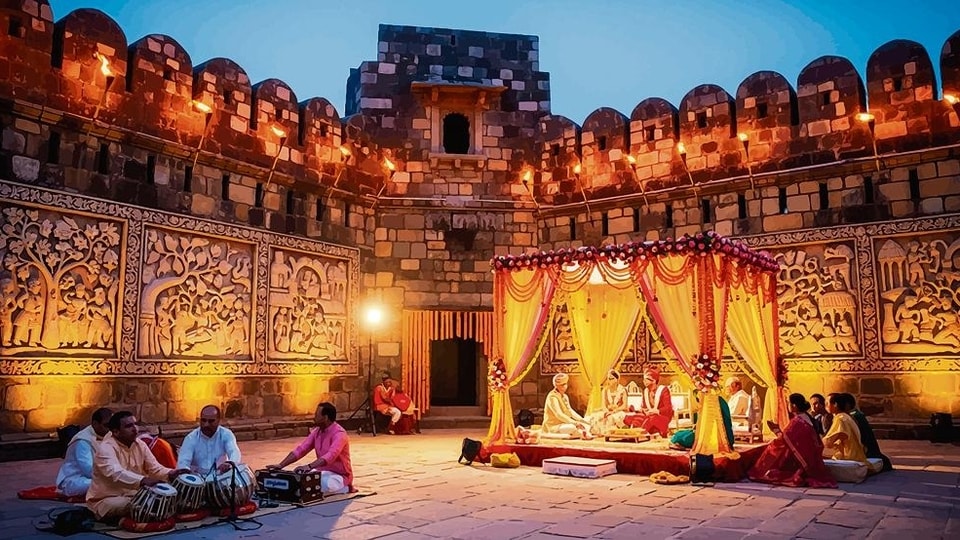
Addressing Indians in a September 1 video message on Instagram, celebrating the country’s economic growth by 7.8% in the April-June 2026 quarter, Modi said domestic spending could help sustain India’s growth momentum. The latest growth was higher than the Reserve Bank of India’s 7% forecast for the quarter. “If you go on holiday, go to a place in India. Wedding destinations can be in India. We should live the mantra of ‘wed in India’,” he said, adding, “And if there is no need, then even gold shouldn’t be bought.”
Weddings move home
After Modi’s last such appeal in May 2026, more couples are looking at domestic destinations for their nuptials in states like Rajasthan, Kerala, Goa and Uttarakhand, depending on the ambience they want. Modi has been urging Indians to wed in India since 2023, following which multiple celebrity weddings have been happening within the country instead of foreign locations like Thailand, Dubai and Italy.
Rashmika Mandanna and Vijay Deverakonda chose Udaipur for their wedding in February 2026, while Nupur Sanon and Stebin Ben also got married in Udaipur earlier this year. Anshula Kapoor and Rohan Thakkar got married in Mumbai in July. In 2024, Rakul Preet Singh and Jackky Bhagnani moved their wedding from the Middle East to Goa after Modi’s ’Wed in India’ appeal.
According to Dipali Mathur, CEO of Kestone Utsav, the destination wedding segment in India is growing by around 15-20% year-on-year as per industry estimates. “We are also seeing double-digit growth in wedding enquiries at leading hotel chains, while some hospitality companies have recorded growth of around 20% compared to last year.” She adds, “Rajasthan continues to lead demand, with Udaipur, Jaipur and Jodhpur popular for their heritage and luxury venues, while Goa remains a top choice for beach weddings. Kerala and Uttarakhand are also gaining popularity for intimate celebrations.”
Tina Bakshi, founder of Lateral Events, says, “Watching people get married within the country and making it aspirational has created more demand among others. Since pre-Covid years to date, we’ve noticed a minimum of 15-20% increase in enquiries for destination weddings in India. The clients may not explicitly talk about PM’s ‘Wed in India’ appeal directly, but the broader sentiment of celebrating in India and investing in Indian destinations is certainly becoming more noticeable.”
Pratik Sheth, founder of Spotlight Soirées, says the shift is visible in their enquiry pipeline too. “Over the past year, we have seen enquiries for Indian destination weddings increase by approximately 20-30% year-on-year. While international destinations continue to attract interest, India is increasingly becoming the starting point of the conversation rather than simply an alternative to an overseas wedding,” he says.
Pooja Doshi of Elusive Dreams is also seeing a clear rise in demand. “We’re seeing a clear increase in enquiries for Indian destination weddings for 300-400 pax weddings. Couples are increasingly looking at India as a luxury destination in itself, which honestly it truly is.” For Doshi, convenience is a key factor. “Better accessibility, no visa hassles, closer-by flights, ease of bringing families together and India’s incredible hospitality and heritage venues are major factors,” she says.
Gold buying gets cautious
PM Modi urged citizens to pause buying gold to protect India’s foreign exchange reserves and stabilise the economy amid rising global energy costs. With gold prices soaring ahead of the festive and wedding season, jewellers are seeing consumers become more cautious about fresh purchases. As of September 1, 10g of 24K gold (99.9%) in Delhi was priced at ₹1,59,055.
Supriya Kataria, founder, Kumari Fine Jewellery, says there has been a noticeable rise in customers bringing in old gold for exchange. “At current gold prices, customers are becoming much more conscious of the value they are deploying, and exchange provides them with an opportunity to refresh their jewellery without having to make the entire purchase through fresh cash outlay. We are seeing customers becoming more considered about how they buy, whether that means exchanging old gold, opting for lightweight pieces, or choosing designs that offer greater versatility and value,” she says.
The trend is also reflected among those getting married. Aman Kumar Roy, a 28-year-old Delhi-based software developer who is getting married in November, says his family is relying heavily on heirloom pieces. “Gold is quite expensive right now, so we are using a lot of heirloom jewellery. Since we already have jewellery in the family, it made more sense to use those pieces rather than buy a lot of new gold. We wanted to keep the new purchases limited to things we really wanted and would continue to wear,” he says.
Travel stays strong
Ravi Gosain, president of the Indian Association of Tour Operators (IATO), says domestic tourism continues to see “healthy and steady interest”, particularly for short breaks, spiritual tourism, wildlife and wellness. “India recorded around 2.95 billion domestic tourist visits in 2024, up from 2.51 billion in 2023, indicating continued momentum in domestic tourism,” he says.
However, Gosain says the trend is not necessarily about replacing foreign holidays with domestic ones. “The trend is about Indians adding more domestic trips to their travel plans. Better connectivity, improved accommodation and new tourism experiences are also encouraging travellers to explore the country.”
While campaigns such as “Vocal for Local” and “Wed in India” have helped build awareness, Gosain says cost and convenience remain bigger factors when travellers make their final choice. “International airfares, visa requirements, currency movements and longer travel times can make overseas holidays considerably more complex or expensive, while domestic travel offers greater flexibility, particularly for families and shorter getaways,” he says.


