
 E-Paper



Beyond cervical cancer, reasons boys and young men need the HPV vaccination
In the absence of any recommended screening test for men, the burden of high-risk HPV infection is estimated to affect 1 in 5 men over the age of 15 years.

 Prefer HTon Google


A common assumption with the Human papillomaviruses (HPVs) is the fact that it is key for girls to get the vaccine to protect them against cervical cancer. What a majority of the larger population might not know is the fact that the HPV vaccine can protect males against HPV-related cancers too.
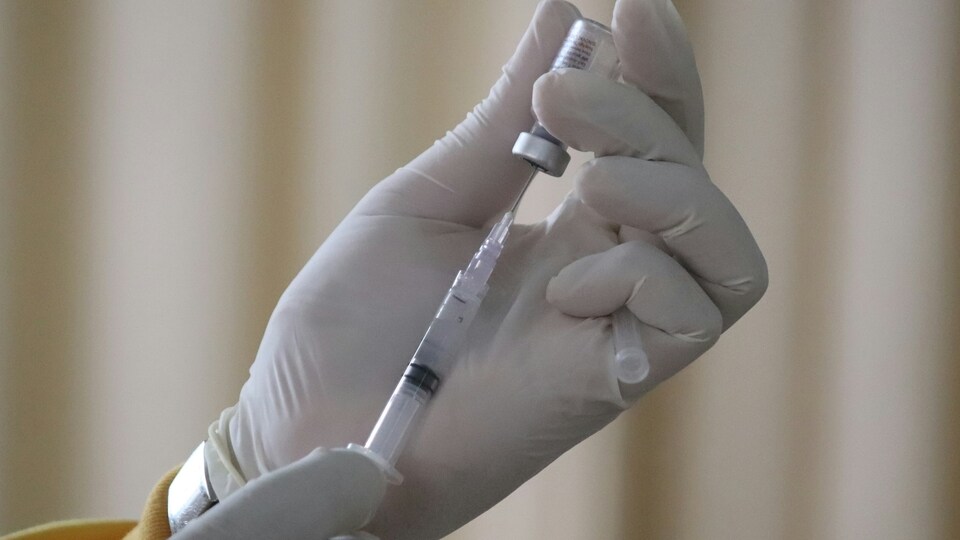
“HPV prevalence in men peaks at 25–29 years of age and remains high until at least age 50 years. Prevalence is also high in the group aged 15–19 years, suggesting that young men are being infected rapidly post-first sexual activity,” says Dr Shubham Jain, Senior Consultant, Surgical Oncology, RGCIRC.
A research finding has indicated that men maintain stable rates of detecting incident genital HPV across various age groups, accompanied by low seroconversion rates (the development of antibodies) following HPV infection. This points out the vulnerability of men to HPV infection throughout their lifetime.
“Human papillomaviruses (HPVs) typically fall into two groups- low and high risk. High-risk HPV virus can cause various types of cancer such as cervical cancer, anal cancer, oropharyngeal cancer, penile cancer, vaginal cancer, and vulvar cancer. It is not surprising that most sexually active people are infected with the virus within months to a few years of becoming sexually active,” Jain explains.
Also, the pattern of infection within this demographic differs compared to women. In females, genital HPV incidence peaks after initial sexual activity decreases with age, and experiences a subtle resurgence after the age of 50–55 years, often coinciding with or occurring around the time of menopause in certain individuals. In the absence of any recommended screening test for men, the burden of high-risk HPV infection is estimated to affect 1 in 5 men over the age of 15 years.
Though most of the time, the body clears these infections within two years, without causing any health problems, they may persist in nearly 1 in 10 cases, eventually causing genital warts or cancers. Therefore, it becomes important to cover boys as well.


