
 E-Paper



A Queen across eras
The Queen’s father was the last King Emperor but it was under her reign that most of the old world order changed. When she came to the throne, the British Empire was in terminal decline and when she died, Britain was a modern multicultural nation, reinvigorated by migration largely from Commonwealth countries, including India.


The Queen was the longest reigning British monarch, celebrating her Platinum Jubilee this year. No one under 75, that is around 90% of the UK population, is likely to remember our last head of state, her father, King George VI who died in 1952. The Queen lived much of her life in public, from a young and glamorous woman to a very old lady. The world changed around her but it seemed as though she would always be there and the shock and genuine grief at her demise will be considerable.
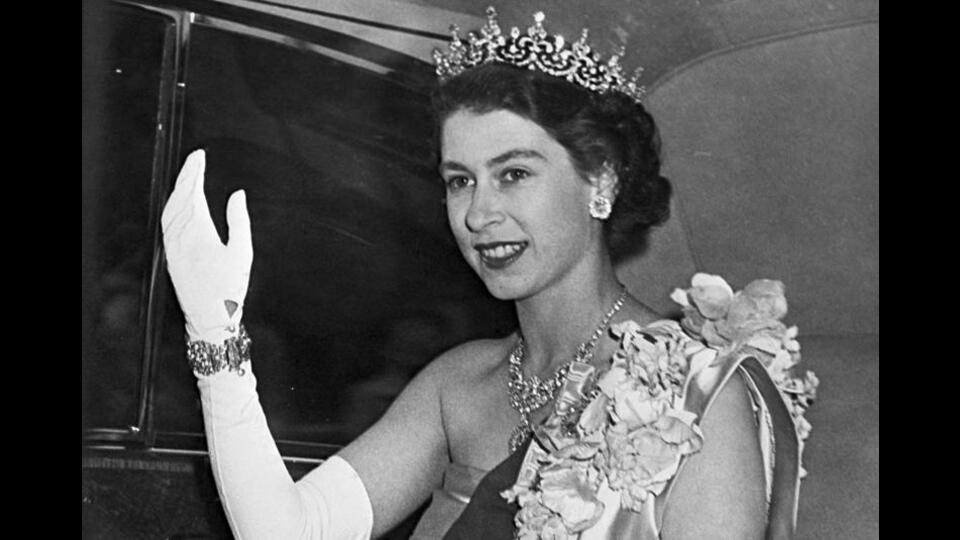
The Queen’s father was the last King Emperor but it was under her reign that most of the old world order changed. When she came to the throne, the British Empire was in terminal decline and when she died, Britain was a modern multicultural nation, reinvigorated by migration largely from Commonwealth countries, including India. The Royal Family modernised and its family squabbles became major media content, globally, rather than nationally. Although at times the monarchy seemed an outdated irrelevance, and was harmed by the death of Diana, Princess of Wales, and the later revelations concerning Prince Andrew, it was only two years ago that the Queen’s magnificent speech during the pandemic rallied the nation. Last year’s image of her sitting alone in St George’s Chapel in Windsor, mourning her husband of seventy-four years, the Duke of Edinburgh, helped tilt the public against the arrogance of elected politicians.
We all have our personal recollections. She was exactly a year younger than my father so he teased me that the playing of the national anthem on the radio was for his birthday. All of us children were envious that she had two birthdays a year which seemed the ultimate fantasy.
I met the Queen only once when she held an event at Buckingham Palace before the visit of President Pratibha Patil that was dubbed her ‘Bollywood Party’. She was so small and glittery and, of course, impeccably well-mannered, seeming to communicate with each of us as individuals, shaking our hands as we waited in turn.
Why did she mean so much to us Britons in the twenty-first century? She was a constant in our life, always easy to pick out in any meeting of world leaders, especially when they were nearly all men. She was there with Jawarhalal Nehru, she was there was there with Narendra Modi. Mahatma Gandhi gave her some cloth he spun for her wedding present. (The Queen’s grandmother, Queen Mary, thought it was a loincloth.)
Her private collection includes gifts to her ancestors from Indian kings and princes.
The Queen was particularly devoted to the Commonwealth on which she spent much time and attention. It was an important multilateral body and the monarchy has, to the surprise of many, found its staunchest supporters among Britain’s most recent citizens, whether from Asia, Africa or Eastern Europe. The Queen has always been wildly popular overseas, a fantastic and irreplaceable asset to the UK’s soft power.
On her twenty-first birthday, 21 April, 1947, the then Princess Elizabeth broadcast on the radio from Cape Town, ‘I declare before you all that my whole life whether it be long or short shall be devoted to your service’. She kept her word and continued to carry out what must have been an often dull and tiring schedule of events even into her old age. Even this week, she accepted the resignation of PM Boris Johnson and invited Liz Truss to form a government.
The Queen grew up almost a century ago in a Britain that we wouldn’t recognise today. Somehow, though she kept her opinions to herself, she seemed to adapt to change in everything around her. Who would have imagined one of her ancestors meeting James Bond and ‘parachuting’ in to the Olympics opening ceremony or revealing only this year to an animated bear what she really carries in her handbag. (She showed Paddington Bear, a migrant from Peru who believes in goodness and kindness, that just like him she carries a marmalade sandwich at all times).
Everyone who knew the Queen said she had a great sense of fun. My favourite story was that on one of her walkabouts to meet the public, she was talking to a woman whose mobile phone rang. The Queen advised her to answer it in case it was someone important.
The Queen was known for her love of animals, in particular dogs and horses. Even a few weeks ago she was seen riding despite her health issues. Although brought up in the days of the British stiff upper lip approach to emotions, she has clearly been devoted to her family. Whatever the stories in the media, she has expressed her affection for her descendants and their spouses. Her own children have had complicated lives but her silence has been welcome.
It is hard to imagine we now have a King although King Charles has been taking on more responsibilities in the recent year, despite his own age. There is a significant number of people, in the UK and in other countries which have her as their Head of State, who feel that it was only the Queen who kept the monarchy relevant. Yet there is great affection for her great grandchildren who are already in training for their future roles and feature regularly in the media.
I and millions of others around the world will watch the pomp and grandeur of her funeral with a strong sense of personal loss.
The Queen is dead. Long live the King!
Rachel Dwyer is Professor Emerita of Indian Cultures and Cinema at SOAS University of London


