
 E-Paper



After A-SAT testing, PM Modi asks NSA Ajit Doval to prepare draft space doctrine
After talking to senior DRDO and ministry of external affairs officials dealing with missile program, Hindustan Times has learnt that India will have to create an authority on the lines of Nuclear Command Authority so that the threat that leads to activation of India’s A-SAT programme is defined with the counter response.

 Prefer HTon Google


After the successful technology demonstration of anti-satellite missile by India, Prime Minister Narendra Modi has tasked National Security Advisor Ajit Doval with preparing a draft space doctrine which sets protocols for operationalisation of the newly acquired capability. He heads the Ballistic Missile Defence program with DRDO and ISRO chiefs as members.
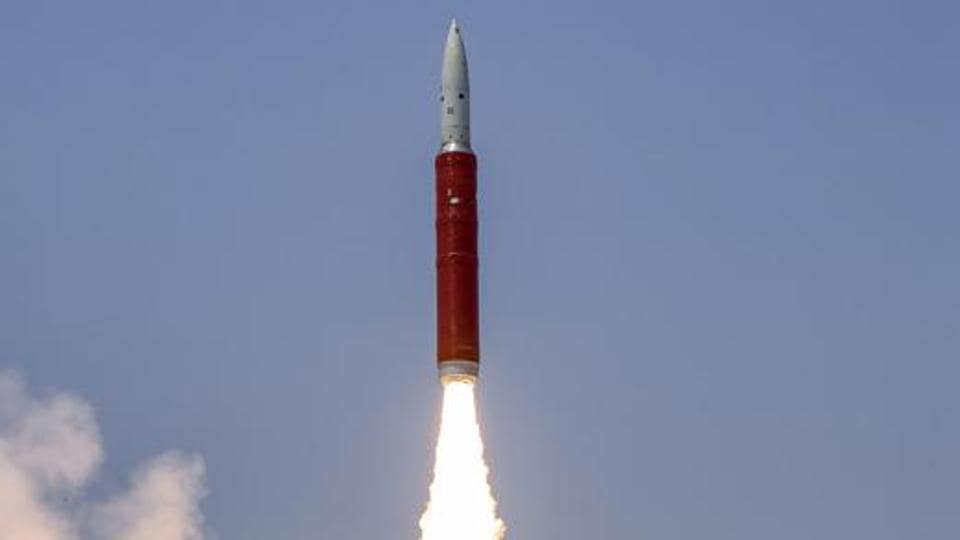
After talking to senior DRDO and ministry of external affairs officials dealing with missile program, Hindustan Times has learnt that India will have to create an authority on the lines of Nuclear Command Authority so that the threat that leads to activation of India’s A-SAT programme is defined with the counter response.
“We have to lay down the defensive/offensive steps required in case Indian satellites are destroyed or degraded or there is access denial by an adversary through electro-magnetic radiation,” said a senior official involved with the space programme who spoke on condition of anonymity.
Watch: Anti-Satellite missile capability explained: What it means for India
According to the officials, India will now need to convert this technological prowess into strategic capability and this involves addressing the question whether the country will stick to no first use or NFU as it has in its draft nuclear doctrine.
The other issue that experts need to consider is the setting up of the space command for management and operationalisation of the A-SAT missiles. As of now India has a separate strategic forces command and a cyber command under Integrated Headquarters.
Read more| ‘To defend interests in outer space’: Government’s 10-Point FAQ on Mission Shakti
Before conducting the A-SAT test on Wednesday, the Modi government studied the first US space command in Colorado. Although this has since been merged with strategic forces command to form a joint command, India has studied the directives that lead to the formation of a space command.
The Indian A-SAT test demonstrated the killer vehicle capability to first search for the targeted satellite, then locate it and finally lock on to if before destroying it. The acquisition of A-SAT capability is a game changer for India as the country now has the technology to cripple the adversary purely using stand-off weapons. This capability allows India to target the adversary’s economy, navigation, stock markets, military and weather collecting capabilities without even crossing the border.
“ The deterrence effect of a A-SAT weapon will be felt in the bilateral relations with China as the competition now has military parity in terms of damage potential,” said a Beijing watcher in India who asked not to be named.


