
 E-Paper



Bhitarkanika National Park in Odisha to reopen for tourists from today
Tourists visiting the Bhitarkanika National Park will, however, have to adhere to all Covid-19-appropriate behaviour and protocols, including the need to maintain social distancing and wearing of masks at all times.

 Prefer HTon Google


The Bhitarkanika National Park in the Kendrapara district of Odisha is set to reopen for tourists today (i.e. Thursday, August 5), more than three months after the park was closed to tourists on May 1 keeping in mind the mating and nesting season of the saltwater crocodiles residing there. Although the park was originally scheduled to reopen on July 31, the closure was later extended by the forest department officials due to the prevailing coronavirus disease (Covid-19) situation in the state, and by extension, the country.
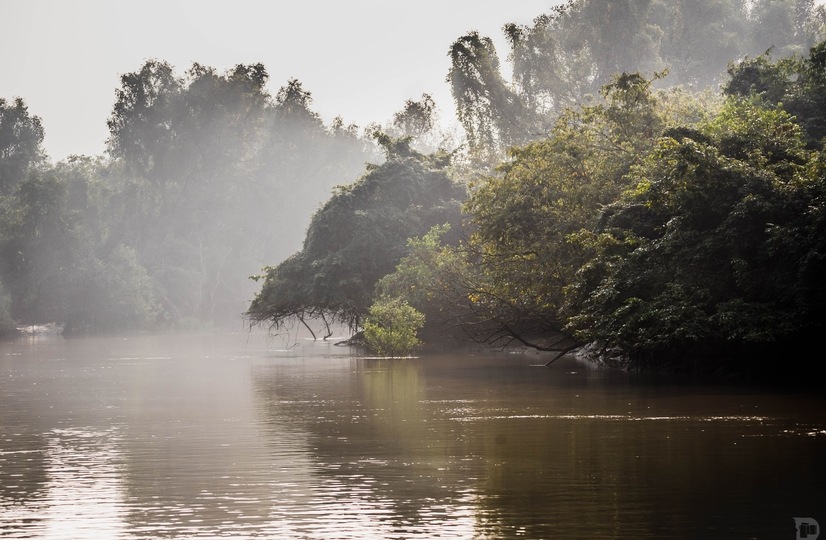
Tourists visiting the Bhitarkanika National Park will, however, have to adhere to all Covid-19-appropriate behaviour and protocols, including the need to maintain social distancing and wearing of masks at all times.
The visitors to the national park will also need to be accompanied mandatorily by a local guide, according to the latest guidelines issued by the forest department. As per reports, around 40 youth from nearby villages have been trained as guides to come to the aid of tourists visiting the park.
Moreover, an adequate number of forest department personnel have also been deployed to ensure Covid-19 appropriate behaviour in the national park. Sanitisers have been provided in appropriate locations to help the tourists adhere to Covid-19-related norms and safety measures even while travelling, the reports cited officials familiar with the matter as saying.
The Bhitarkanika National Park and the adjoining wildlife sanctuary have been accorded the designation of a 'Ramsar site', meaning it is a wetland of international importance. Inundated by rivers such as Brahmani, Dhamra, Pathsala, and Baitarani, the forests host the second-largest mangrove ecosystem in India after the Sunderbans in West Bengal.
The national park is home to the saltwater crocodile (Crocodylus porosus), thousands of which are born during the breeding and nesting seasons every year, and, since 2014 onwards, have registered a steady rise in the species' population over the years. The national park houses an estimated 70 per cent of the country's estuarine or saltwater crocodile population, conservation of which started in 1975.


