E-Paper



CAQM asks NCR states to adopt list of standard approved fuels
CAQM on June 8 announced the ban on use of coal in industrial, domestic and other miscellaneous applications in the Delhi-NCR region from January 1

 Prefer HTon Google


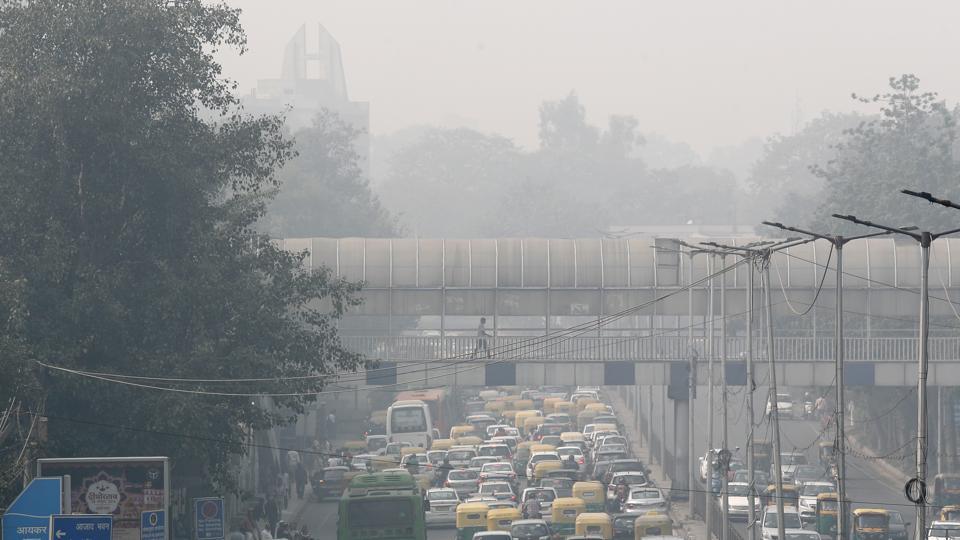
The Commission for Air Quality Management (CAQM) in the National Capital Region and its Adjoining Areas on Friday cited grave concern about air pollution and said it has issued directions to all NCR states to adopt a standard list of permitted fuels. The list will come into force from October 1 for the areas, where Piped Natural Gas (PNG) supply is, available and from January 1 in other areas.
The approved fuels for NCR include petrol and diesel (BS VI and with 10 ppm sulphur), hydrogen/methane for vehicular and industrial purposes, natural gas (CNG, PNG and LNG), Liquified Petroleum Gas (LPG), propane/butane, electricity, aviation turbine fuel, biofuels, refuse derived fuel for power plants, cement plants. Firewood or biomass briquettes will be permitted for religious purposes.
Wood or bamboo charcoal will be permitted only for tandoors and grills of hotels, restaurants, banquet halls across NCR (with emission channelisation or control system) and at open eateries and dhabas. Wood charcoal will be permitted for cloth ironing as well. For crematoria, electricity, CNG, firewood and biomass briquettes are the permitted fuels.
The CAQM said effectively heavily polluting fuels such as coal (except low sulphur fuel for thermal power plants), light diesel oil, naptha -- a liquid hydrocarbon mixture -- along with any other fuels not mentioned in the permitted fuels list will be banned from January 1 across the NCR.
“Air pollution is a matter of grave concern across NCR and particularly from the standpoint of a common airshed approach...it is essential to have a standard list of approved fuels for various applications across all sectors in the entire NCR to achieve improved air quality. This direction has been issued considering the need to optimally balance the imperatives of sustainability of operations as also the emissions from the use of various types and categories of fuels that have a direct bearing on the air quality,” CAQM said in an order on Friday.
The CAQM on June 8 announced the ban on the use of coal in industrial, domestic and other miscellaneous applications in the Delhi-NCR region from January 1. The use of low-sulphur coal in thermal power plants was exempted from the ban.
Friday’s order said a specific requirement of any other fuel by a class or category of industries, owing to technical or technological requirements, can be considered on merits. It added a specific category of industries outside Delhi will be permitted the use of low sulphur fuels namely LSHS, very low sulphur fuel oil and ultra-low sulphur fuel oil for metal smelting, melting, refining and heating furnaces.
Metallurgical coke has been permitted for industrial purposes in standalone cupola-based foundries and biomass, agricultural refuse and pellets/briquettes for industrial boilers, power plants, biofuel projects, cement Industry.