E-Paper



Church-sponsored watchdog calls for fair polls in Mizoram
Mizoram People’s Forum (MPF), an independent body formed in 2006 by Mizoram Presbyterian Church Synod, the largest Christian denomination in the northeastern state, comprises church elders and members of three prominent organizations of women, senior citizens and young people.

 Prefer HTon Google


Guidelines framed by the election commission’s model code of conduct define how elections are to be carried out across India. But in Mizoram, a church-sponsored poll watchdog has been trying to ensure free and fair polls.
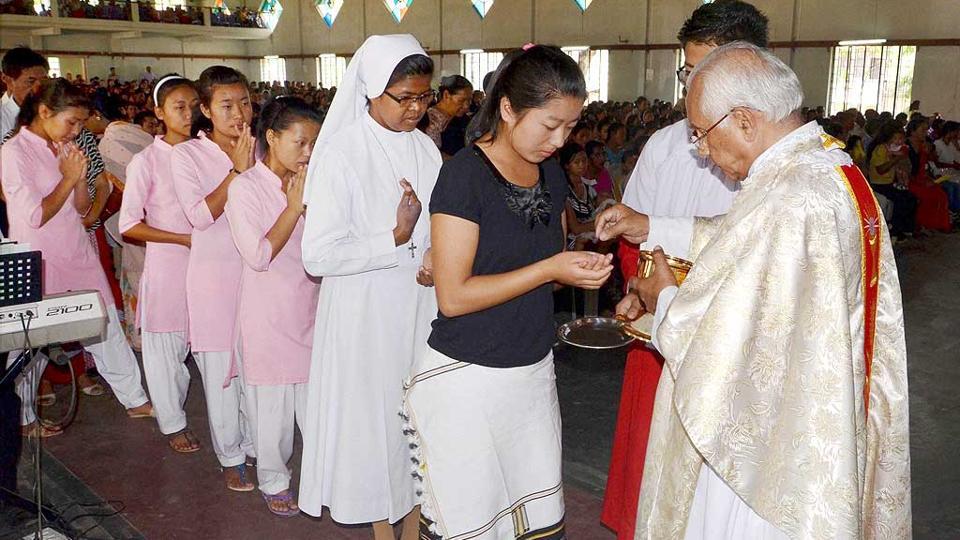
Mizoram People’s Forum (MPF), an independent body formed in 2006 by Mizoram Presbyterian Church Synod, the largest Christian denomination in the northeastern state, comprises church elders and members of three prominent organizations of women, senior citizens and young people.
As per 2011 census, over 87% of Mizoram’s total population of 1.12 million are made up by Christians. The Mizoram Presbyterian Church (MPC) has nearly 600,000 followers and 1,097 churches across the state.
Last month, leaders of eight national and regional parties contesting the coming assembly polls in the state signed an eight-point memorandum of understanding (MoU) with MPF .
“We issue guidelines for all elections held in Mizoram. The MoUs signed with the parties and move to educate voters has proven very useful in holding clean elections in the state,” said Rev. B Sangthanga, senior vice-president MPF.
The guidelines prevent parties from giving inducements to voters, keeps check on poll expenses, bans use of violence, promotes peaceful campaigning, insist on selection of good candidates and inclusion of achievable promises in manifestoes.
It asks parties to select candidates who are “reputed, stable personality and mature minded, diligent and faithful, not corrupt, without any record of infidelity, who is free from alcohol and other substances, has great human value, religious and a prominent member of his religion,” etc.
“This time we have included new guidelines restricting misuse of social media for electoral gains, use of minors in poll activity and allowed MPF monitored house to house campaigns,” said Rev. R Lalbiakmawia, general secretary, MPF.
Political parties have no issues signing the MoUs and following MPF’s guidelines as they believe it helps in conduct of polls in a much fairer manner.
“The church role has been very effective. The guidelines prevent unnecessary expenses. The MPF is not trying to control the polls, but just ensuring we have free and fair elections,” said Zoramthanga, former chief minister and president of Mizo National Front (MNF).
If any party or candidate is found violating the guidelines they are called for explanations and is the complaints are found to be genuine public announcements are made about the “unfair practice”.
“Kidnappings of party workers and threats of violence to voters during the 2004 general elections led to MPF’s formation in 2006. The MPC synod felt these acts were non-Christian and that’s why we decided to form MPF,” SAID Rev Lalzuithanga, former moderator of MPC synod.
To ensure strict compliance of the guidelines MPF has volunteers who monitor activities of parties and candidates and inform about any breach. Three complaints, all related to giving of community feasts to voters, have been received by MPF this month.
Though it is signed by political parties, the guidelines are applicable to Independent candidates as well.
Besides church appointed members, MPF comprises of representatives from Young Mizo Association (YMA), Mizoram Upa Pawl (MUP)—a senior citizens body and Mizo Hmeichhe Insuihkhawm Pawl (MHIP)—the largest women organization.
‘As someone without political affiliation, I can say MPF’s role has been very effective in Mizoram. There’s always possibility of some secret deals happening. But since the church here is so powerful and parties and candidates face the risk of being named and shamed publicly if they violate the guidelines, there are rarely such occurences,” said Moses Vanlalthlana, a former student leader and resident of Upper Khatla in Aizawl.
Mizoram goes to polls on November 28.