
 E-Paper



Cooperation, rivalry to define India-China ties in coming years, say experts
The isolationist approach of the US could see the Indian and China cooperating in multilateral forums while irritants remain in bilateral ties

 Prefer HTon Google


India-China relations in the coming years will be characterised by a mix of cooperation and competition, especially in the Indian Ocean region, and the isolationist approach adopted by the US could see the two countries working together on multilateral forums, experts said on Saturday.
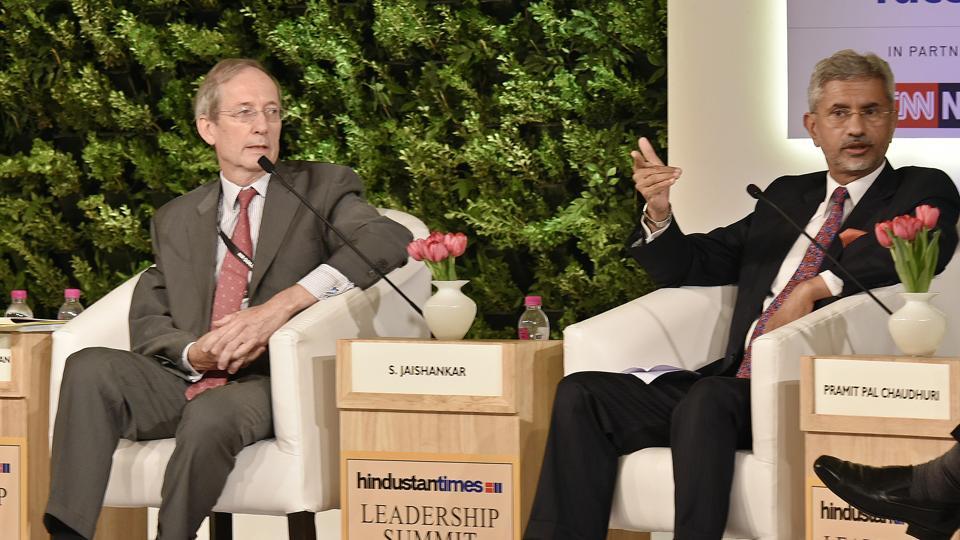
However, countries in Asia, Africa and Europe continue to have concerns about the impact of the rise of China and its ambitious Belt and Road Initiative (BRI), while New Delhi is worried by Beijing’s stance on a number of key issues, including membership of the Nuclear Suppliers Group and listing of Pakistan-based terrorist Masood Azhar, as well as the growing trade deficit, they said.
Speaking at a session with the theme “India-China relations: Emerging trends” at the Hindustan Times Leadership Summit, they suggested that more communication and people-to-people exchanges could help narrow the trust deficit between India and China.
“There will be more room in India-China relations for both cooperation and competition, if not confrontation,” said Jean-Pierre Cabestan from Hong Kong Baptist University.
The two sides can cooperate in the fight against terror, Afghanistan and at multilateral forums while there will be competition as well in the Indian Ocean region, he said.
Former foreign secretary S Jaishankar, currently president of global corporate affairs at Tata Sons, said China’s rise had been largely underestimated and its moves linked to BRI and South China Sea had caused “disruptions and turbulence” round the world.
“Trade deficit is not just with the US, it is a problem of India,” Jaishankar said. He added the informal summit between Prime Minister Narendra Modi and President Xi Jinping at Wuhan was a “first attempt to change things”.
Huiyao Wang, president of the Beijing-based Centre for China and Globalisation, said both were confronted with similar problems, including urbanisation, environmental issues, population and the unilateralism of the current US administration. “Because of the trade issues with the US, India can be a big market for us and we can work together at multilateral bodies such as WTO (World Trade Organisation), SCO (Shanghai Cooperation Organisation) and BRICS,” Wang said.


