
 E-Paper



Mumbai civic body tweets list of dos and don’ts as Cyclone Nisarga approaches
Cyclone Nisarga is expected to make a landfall very close to Alibagh, 94 km south of Mumbai, on the afternoon of June 3.

 Prefer HTon Google


Cyclone Nisarga was officially declared as a cyclonic storm by the India Meteorological Department (IMD), after it intensified from a deep depression on Tuesday afternoon. It is currently located 450 km south-southwest of Mumbai.
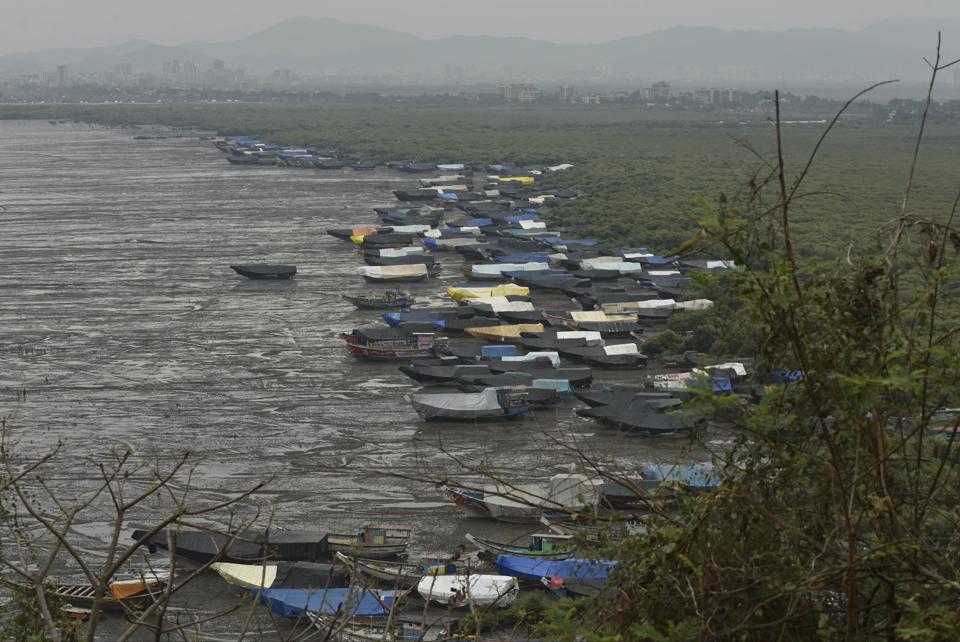
It is expected to make a landfall very close to Alibagh, 94 km south of Mumbai, on the afternoon of June 3.
As authorities are looking into arrangements to tace the situation on western coast, Mumbai’s civic body, Brihanmumbai Municipal Corporation (BMC) released a list of dos and don’ts for Mumbai residents to take on Cyclone Nisarga.
People can dial 1916 and press 4 for any cyclone related query or concern.
Here’s what you should do as precautionary measures against the cyclone:
-- Loose things outside the house should be tied or moved indoors.
--Seal important documents and jewellery in a plastic bag
-- Regularly inspect battery operated as well as reserve power systems
-- Pay attention to official instructions on television and radio
-- Practise the actions to be taken in case of emergencies
-- If you do not live in a mud house/hut, choose a part of the house as an emergency shelter and practise how all members of the house will use the space during the cyclone
-- Keep an emergency kit ready
--Stay away from windows. Close some windows and keep some open so that the pressure is maintained
--Stay at the centre of the room. Stay away from corners as debris often accumulate in corners
--Hide under strong furniture such as a stool or heavy table or desk, and hod it tight
--Use your hands to protect your head and neck
--Avoid large roof spaces such as auditoriums and shopping malls
--If you find an open space and there is enough time, find right shelter in the nearest pit or pasture
--Relocate to a pre-determined or administration-determined location
--Disconnect the power supply of all non-emergency equipment and tools
--Store drinking water in a clean place
--Help people trapped or injured. Provide first aid, as needed.
--Check for air leaks. If you smell gas or hear a leaking sound, immediately open the windows and exit the building. If possible, turn off the gas valve and report to the gas company.
--Check for damage to electrical equipment. If you notice sparks, exposed wires, or burning smells of rubber, disconnect the main power supply and call an electrician.
--Help those in need of special help like children, physically challenged, elderly, neighbours.
Here’s what you should not do:
-- Don’t spread or believe in rumours
--Don not attempt to drive or ride any vehicle during the cyclone
--Stay away from damaged buildings
--Do not move injured people unless it is absolutely safe to do so. It may cause more harm
--Do not allow oil and other flammable substances to spill. Clean them immediately.


