
 E-Paper



Dance bar owners move SC against Maharashtra’s obscenity law
Maharashtra’s dance bar owners have moved the Supreme Court against a new law that says obscenity in dance performances will invite a five-year jail term, but does not clearly define obscenity.

 Prefer HTon Google


Maharashtra’s dance bar owners have moved the Supreme Court against a new law that says obscenity in dance performances will invite a five-year jail term, but does not clearly define obscenity.
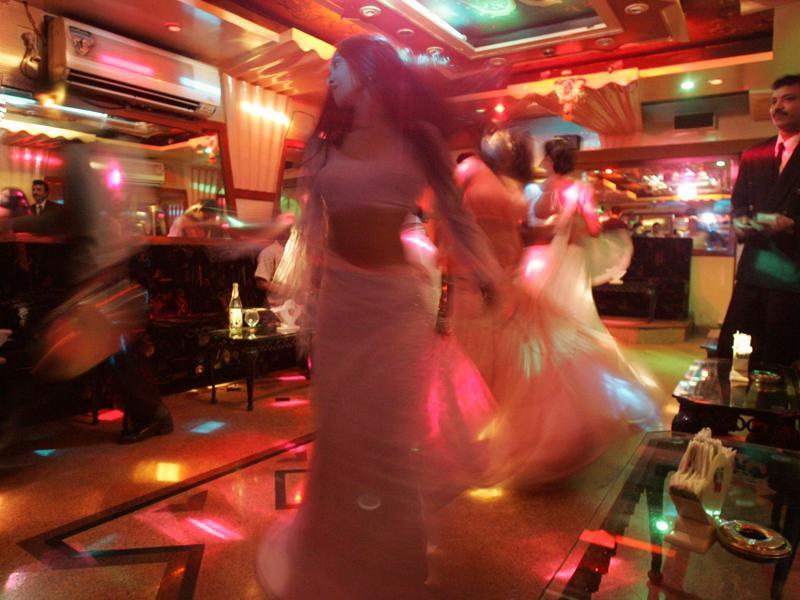
The law defines “obscene dance” as a dance “designed only to arouse the prurient interest of the audience”.
The petitioner also questioned a bar on tipping dancers, calling it “irrational”.
The Dance Bar Regulation Bill was passed by the Maharashtra assembly on April 13 and notified on April 20. It includes 26 conditions that bar owners must comply with to get licences.
Days later, an SC bench headed by justice Dipak Misra said, “It is better for women to perform in dance bars than to beg on the streets or indulge in unacceptable activities.”
The Maharashtra government banned dance bars in the state in 2005, rendering an estimated 150,000 people — half of them dancers — jobless. The Bombay high court struck down the government order in 2006 but the state challenged it in the Supreme Court, which allowed a stay on grant of licence. The top court upheld the high court ruling in 2013 before finally lifting the ban in October last year.
In its petition to the Supreme Court filed last week, the Indian Hotel and Restaurant Association said the new law was another attempt by the state to override the SC verdict lifting the ban on dance bars. It said that despite court orders, the government was yet to renew or issue licences.
The association maintained the law violates the right to life/livelihood and the right to take up a profession of one’s choice.
The top court had during a hearing in May disallowed a provision of the law that made it mandatory for bars to record dance performances and provide the live feed to the police. “Have a regulatory mechanism in place, do surprise checks, send your police team. But no recording,” it had told the state.
On another provision that said dance bars cannot operate within a kilometre of an educational institution, the court had pointed out that there was no such condition for granting liquor licences.
The law also stops bars from serving liquor in the performance area and from operating in residential buildings. They can function out of semi-residential buildings if they have the approval of three-fourths of the residents. It restricts bar timings between 6pm and 11.30pm, and says violations can invite fines of up to Rs 25,000.
Quoting from the state government’s response to its letter, the petitioner said the number of police complaints against dance bars was negligible — 18, 31 and 14 complaints in 2003, 2004 and 2005, respectively. It also said, “It appears no effort was made to verify the veracity of the complaints.”


