
 E-Paper



Goodbye to black robes: Modi govt tells AIIMS, other top institutes to embrace Indian attire at convocations
According to the health ministry directive, the current dress code is reminiscent of the colonial period and needs to be changed.

 Prefer HTon Google


Union ministry of health & family welfare on Friday issued a directive to all central government-run medical teaching institutes, including prestigious institutions like AIIMS, to move away from colonial-era attire in their convocation ceremonies.
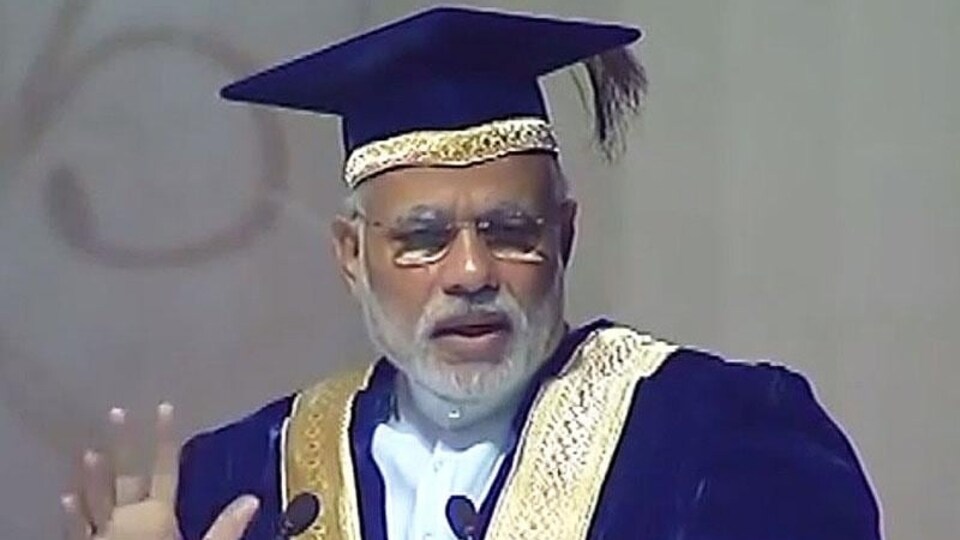
This move aligns with the “Panch Pran” resolutions outlined by Prime Minister Narendra Modi, which aim to shed colonial legacies and embrace Indian traditions.
Read: At Mysore University convocation, PM Modi talks up National Education Policy
In a letter dated August 23, the ministry said the current practice of wearing black robes and caps during convocations originated from Europe during the Middle Ages, and was introduced in India during British colonial rule. The ministry urged the institutions to design new convocation attire that reflects the local traditions and cultural heritage of the state where each institute is located.
“The above tradition is a colonial legacy which needs to be changed,” it said.
“Accordingly it has been decided by the Ministry that the various Institutes of the Ministry including AIIMS /INIS engaged in imparting medical education will design appropriate India dress code for the Convocation Ceremony of their Institute' based on local traditions of the State in which the Institute is located,” it added.
Read: Working to match speed, skill and scale of youth: PM Modi at convocation of TN university
The government asked that proposals for the new dress code be submitted for approval to the ministry.
What is 'Panch Pran'?
During his 2022 Independence Day speech, Prime Minister Modi spelt out the Panch Pran or “Five Resolutions” to guide India’s progress over the next 25 years. One of the key resolutions was to take pride in India’s roots and eliminate colonial influences from various aspects of life, including education and cultural practices.
“The goal of developed India, to remove any trace of the colonial mindset, taking pride in our roots, unity and sense of duty among citizens,” Modi had said.


