E-Paper



Govt ramping up availability of anti-fungal medicine for mucormycosis
After reviewing the stock position with the manufacturers and importers, and the demand pattern of Amphotericin B, the department of pharmaceuticals has allocated the drug among the states, based on expected supply that will be available from May 10 to May 31, 2021

 Prefer HTon Google


The government is taking steps to ramp up the availability of anti-fungal medication amid a sharp rise in cases of mucormycosis, popularly known as black fungus, in Covid-19 patients.
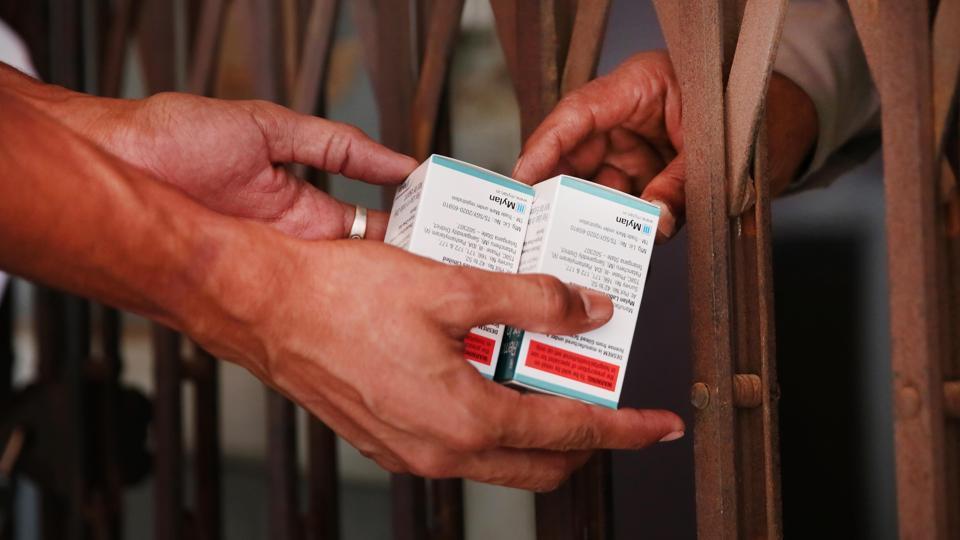
“A sudden increase in demand has been observed in some states for Amphotericin B which is being actively prescribed by the physicians to patients suffering from mucormycosis, a post-Covid complication. The Government of India is therefore engaging with the manufacturers to ramp up production of the drug. The supply position is expected to improve with extra imports of this drug and increase in its production domestically,” according to an official release from the ministry of chemicals and fertilizers.
On May 11, after reviewing the stock position with the manufacturers and importers, and the demand pattern of Amphotericin B, the department of pharmaceuticals allocated the drug among the states, based on expected supply that will be available from May 10 to May 31, 2021.
Also Read | Maharashtra to compile database of mucormycosis to assess its spread
After Covid-19 infection, the black fungus happens in those with uncontrolled diabetes, those who are immune-compromised, and those who are given excessive steroids or immune-modulating drugs such as tocilizumab.
If left untreated, it might kill as many as 80% of the people who get it. If not detected early, it affects the orbit of the eye and the mouth, resulting in people losing their vision or jaw during debridement, the process of removing dead tissue from an infection or wound.
The Centre has also asked states to put in place a mechanism for equitable distribution of supplies among government and private hospitals, and health care agencies. It has also asked them to publicise the ‘point of contact’ for private and government hospitals to obtain the drug from the allocated stock.
The arrangements for supply will be monitored by the National Pharmaceuticals Pricing Authority.