E-Paper



DJB to replace 733km of old pipelines under ₹6,044-crore South Delhi revamp
The three-year project aims to improve water supply to around 25 lakh people across an area of 247 square kilometres

 Prefer HTon Google


In a major overhaul of South Delhi’s ageing water distribution network, the Delhi Jal Board (DJB) will execute a ₹6,044-crore project over the next three years to replace 732.65 km of old pipelines, lay 606 km of new lines and develop infrastructure for round-the-clock water supply across 12 assembly constituencies, officials said.
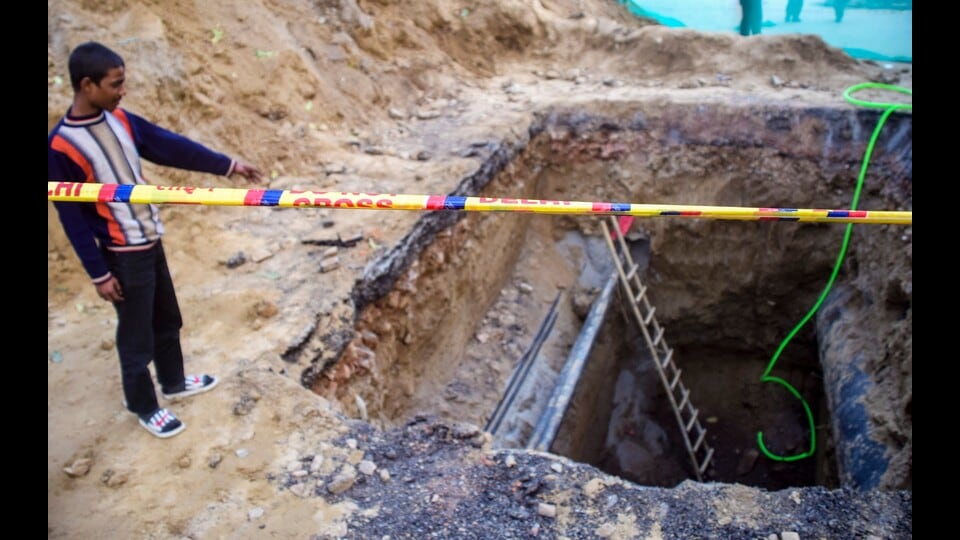
The three-year project aims to improve water supply to around 25 lakh people across an area of 247 square kilometres, including several localities that face acute shortages and recurring water quality concerns during summer. In older planned colonies such as Hauz Khas and Panchsheel, ageing distribution lines and leakages have raised concerns over contamination, particularly when damaged pipes allow pollutants to enter the supply network.
The existing water distribution network across the 12 constituencies spans 1,872 km and is expected to cater to a water demand of 178 MGD (million gallons per day) by 2031, the DJB said. With the proposed replacement and addition of pipelines, the total network is expected to expand to 2,478 km. The project also envisages increasing the number of underground water reservoirs, with 13 included in the infrastructure plan.
The areas covered include assembly constituencies such as Jangpura, Kasturba Nagar, Mehrauli, Greater Kailash, Tughlakabad, Badarpur and Okhla. Several parts of south and southeast Delhi, particularly Sangam Vihar, Ambedkar Nagar, Deoli, Mehrauli and Chhatarpur, continue to grapple with inadequate water supply, making improvements to the distribution network a key component of the proposed revamp.
Officials said the project would also introduce advanced meters for all 3,89,892 water connections in the identified constituencies. The system is expected to generate bills based on actual consumption and help consumers monitor their water usage.
“The smart meters will also be equipped to flag possible leakages. If water continues to flow uninterrupted for 24 hours, the system will detect a potential leak in the household pipeline or toilet and send an alert to the consumer, advising them to get it checked. The system is also expected to notify consumers about possible meter tampering or reverse water flow,” an official added.
The project seeks to combine the expansion of the supply network with improved monitoring of water consumption and losses. Replacing old pipelines is particularly significant in densely populated neighbourhoods, where ageing infrastructure can undermine both the reliability and quality of water supplied to households.