
 E-Paper



Riniki Bhuyan passport row: What rules say on dual citizenship, multiple passports in India
Because a passport is linked to citizenship, a person cannot legally hold both an Indian passport and a foreign passport at the same time.

 Prefer HTon Google


The rules around Indian citizenship and passport have become a talking point after Congress leader Pawan Khera claimed that Assam chief minister Himanta Biswa Sarma's wife, Riniki Bhuyan Sharma, holds multiple foreign passports. She allegedly holds passports of the United Arab Emirates, Antigua-Barbuda and Egypt, which expire between 2027 and 2031, Khera said at a press conference on Sunday.
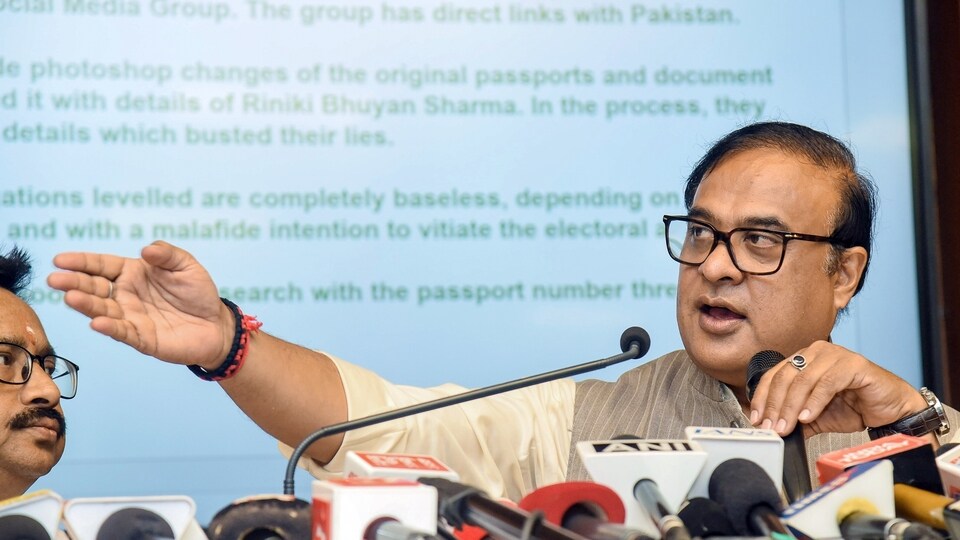
Sarma has rejected the allegations, calling them “Congress propaganda,” and claimed the documents were fabricated. He said he and his wife would seek “life imprisonment” against the Congress leader.
But can an Indian national hold multiple passports?
The Passports Act, 1967, says authorities can impound passports if someone is in “wrongful possession”. If a person obtains another passport improperly, it can also be revoked.
Section 12 penalises fraud, concealment, or misuse of passports. Holding multiple passports, especially through misrepresentation, can attract legal action.
Does India allow dual citizenship?
Under Section 9 of the Citizenship Act, 1955, an Indian citizen automatically loses citizenship if they voluntarily acquire citizenship of another country. The Constitution also does not permit holding Indian and foreign citizenship simultaneously.
What is the Overseas Citizenship of India (OCI) scheme?
Introduced under Section 7A of the Citizenship Act, OCI allows certain persons of Indian origin who have taken foreign citizenship to live and work in India with a lifelong visa. OCI is not citizenship and does not grant political rights such as voting or holding public office. OCI cardholders are also subject to certain restrictions, including the need for special permission to undertake research, missionary or mountaineering activities.
Is holding two passports legal in India?
Under Rule 30 of the Citizenship Rules, 1956, holding a foreign passport is treated as proof that a person has taken foreign citizenship. The Supreme Court held this view in the case of Dipali Katia Chadha vs Union of India (1995). In other words, once one has a foreign passport, they are no longer considered an Indian citizen.
Because a passport is linked to citizenship, a person cannot legally hold both an Indian passport and a foreign passport at the same time. Doing so would be illegal under India’s ban on dual citizenship.
Last year, the government flagged over 1,300 cases of people holding more than one Indian passport in the past five years. They were treated as security risks. In such cases, authorities routinely cancel the documents and initiate legal action under the Passports Act, 1967.


