
 E-Paper



India begins UNESCO nomination process for Chhath Mahaparva
External affairs ministry, Sangeet Natak Akademi, Indira Gandhi National Centre for the Arts (IGNCA) officials met representatives from the UAE, Suriname, and the Netherlands

 Prefer HTon Google


New Delhi: The ministry of culture has initiated the process to nominate Chhath Mahaparva for inclusion in the United Nations Educational, Scientific and Cultural Organisation (UNESCO)’s representative list of the Intangible Cultural Heritage of Humanity, a recognition granted to living traditions and cultural practices sustained by communities around the world.
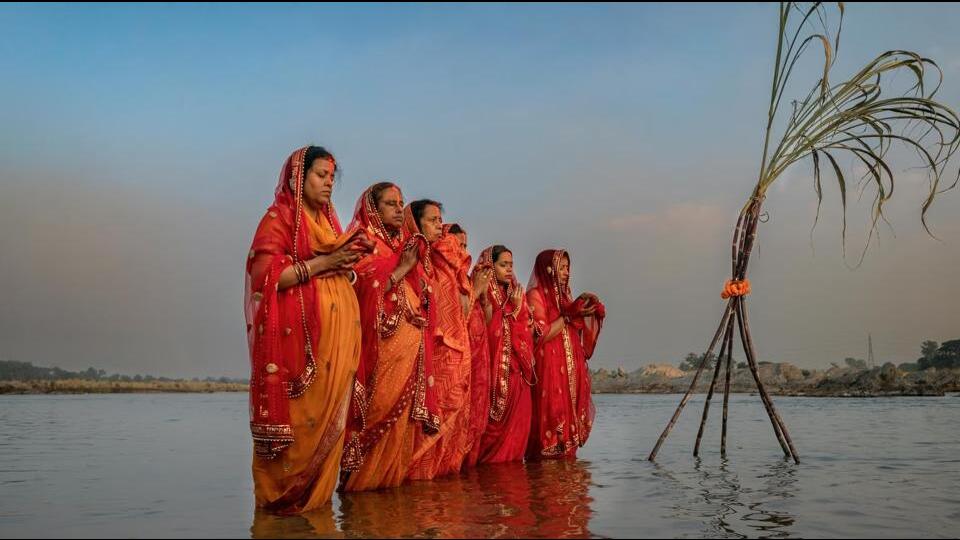
Chaired by culture secretary Vivek Aggarwal, officials from the ministry of external affairs, Sangeet Natak Akademi, and Indira Gandhi National Centre for the Arts (IGNCA) met senior diplomatic representatives from the United Arab Emirates (UAE), Suriname, and the Netherlands on Tuesday to seek cooperation from these countries for a multinational nomination to be submitted for UNESCO’s 2026–27 cycle.
Aggarwal also held a virtual meeting with Indian ambassadors and high commissioners in Mauritius, Fiji, Suriname, the UAE, and the Netherlands on Tuesday, where the envoys agreed to identify diaspora communities, gather documentation, and provide data to support the nomination, an official said.
Also Read: Int’l support helps 12 Maratha forts scoop Unesco World Heritage label
The ministry has directed the Sangeet Natak Akademi, which coordinates India’s UNESCO nominations, to compile the proposal.
Chhath Mahaparva, a four-day festival primarily observed in Bihar, Jharkhand, eastern Uttar Pradesh, and parts of West Bengal, includes rituals like fasting, bathing in rivers or ponds, and making offerings to the setting and rising sun on the banks of water bodies. The Chhathi Maiya Foundation had previously submitted a formal request for recognition of Chhath Mahaparva to the Akademi in July.
UNESCO’s 2003 Convention for the Safeguarding of the Intangible Cultural Heritage laid down the procedures for nominations to the representative list. To qualify, an element must be recognised as intangible cultural heritage that communities practise as their cultural legacy, transmit across generations, and include in the national heritage inventory.
Also Read: Unesco’s Creative City of Gastronomy: Lucknow is India’s nominee to claim title of foodie haven
States Parties (countries that have adhered to the World Heritage Convention and thereby agreed to identify and nominate properties on their national territory to be considered for inscription on the World Heritage List) must secure the consent of practitioners and prepare safeguarding measures to ensure the tradition’s continuation.
India currently has 15 elements on UNESCO’s Representative List — Kutiyattam (Sanskrit theatre), Tradition of Vedic Chanting, Ramlila (traditional performance of the Ramayana), Ramman (religious festival and ritual theatre of the Garhwal Himalayas), Chhau dance, Kalbelia folk songs and dances of Rajasthan, Mudiyettu (ritual theatre and dance drama of Kerala), Buddhist chanting of Ladakh, Traditional brass and copper craft of utensil making among the Thatheras of Jandiala Guru in Punjab, Yoga, Kumbh Mela, Durga Puja in Kolkata, Garba of Gujarat, Navroz or Nowruz, and a shared nomination on male vocal polyphonic singing.


