E-Paper



Govt preps to evacuate Indians from Iran. Why internet shutdown is a challenge
There are some 10,000 Indians in Iran, including a large number of students.


Indian authorities are making preparations for the possible evacuation of Indian nationals from Iran because of the evolving situation in the country amid apprehensions of US military intervention, people familiar with the matter said on Thursday.
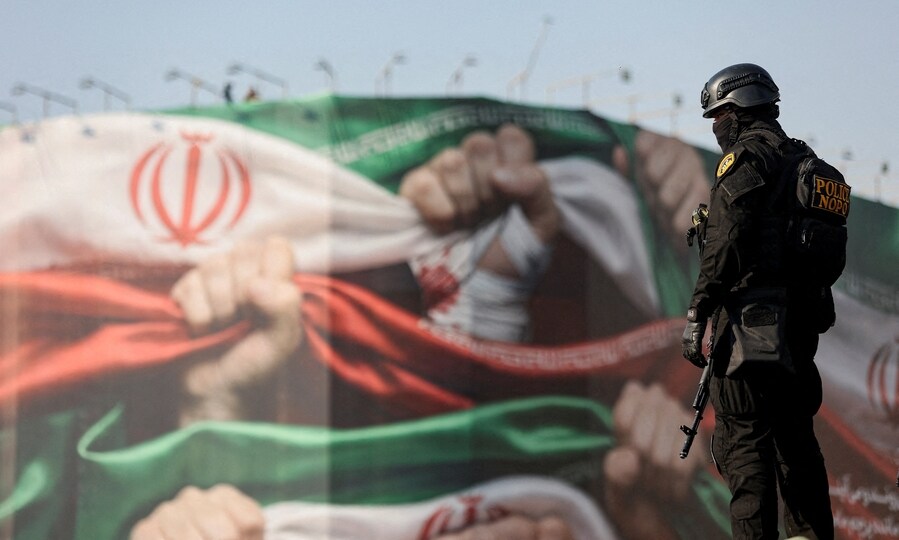
The Indian embassy in Tehran is currently focused on ascertaining the number of Indian nationals wishing to return, but the internet shutdown imposed by Iranian authorities is proving a major hurdle in contacting citizens, the people said on condition of anonymity.
There are approximately 10,000 Indians in Iran, including many students. The students will be the focus of any evacuation effort, though it was not immediately clear when the first repatriation flight would operate, the people said.
“The external affairs ministry is making preparations to facilitate the return of Indian nationals who wish to travel back home,” one of the people said.
“This is dependent on a number of factors, including securing clearance for airspace, arranging aircraft and ascertaining the number of students, which is currently a problem because of the internet shutdown.”
The people said the current exercise of reaching out to Indian students across Iran is largely being done physically, as internet access remains suspended and telephone connectivity isn't available everywhere. Officials are also contacting colleges and universities with sizeable numbers of Indian students to ascertain how many want to return.
A semblance of normalcy has returned to Tehran and other cities that witnessed large protests since late December.
The external affairs ministry has well-established standard operating procedures for such evacuations, including the use of military aircraft, the people said.
On Wednesday, the Indian embassy in Tehran issued an advisory urging Indian students, businesspeople, pilgrims and tourists to leave Iran by available means of transport, including commercial flights, amid mounting regional tensions over a crackdown on nationwide protests that has killed hundreds and fears of possible US intervention.
Another advisory from the external affairs ministry in New Delhi strongly advised Indians to avoid travel to Iran until further notice.
Iranian foreign minister Seyed Abbas Araghchi also spoke with external affairs minister S Jaishankar on Wednesday night to discuss the regional situation. The phone call was also an opportunity for Araghchi to explain his decision to cancel a planned visit to New Delhi starting Thursday.
Reports have suggested that more than 2,000 people were killed after Iran cracked down on protests over economic hardships and inflation, among the worst in the country’s recent history. US President Donald Trump has repeatedly threatened military intervention if Iranian security forces kill protesters. He has also warned of “very strong action” if detained protesters are executed by Iranian authorities
India has also faced increased pressure over its relations with Iran following Trump’s move to hit countries trading with Iran with a 25% tariff.