E-Paper



India rejects references to Kashmir, CPEC in China-Pak joint statement
The response from India came three days after China and Pakistan issued the joint statement following a meeting between President Xi Jinping and Prime Minister Imran Khan in Beijing on February 6.

 Prefer HTon Google


India on Wednesday rejected references — to Jammu and Kashmir (J&K) and an economic corridor passing through Pakistan-occupied Kashmir (PoK) — made in a China-Pakistan joint statement and called on the two countries to not interfere in India’s internal affairs or to alter the status quo in the area illegally occupied by Pakistan.
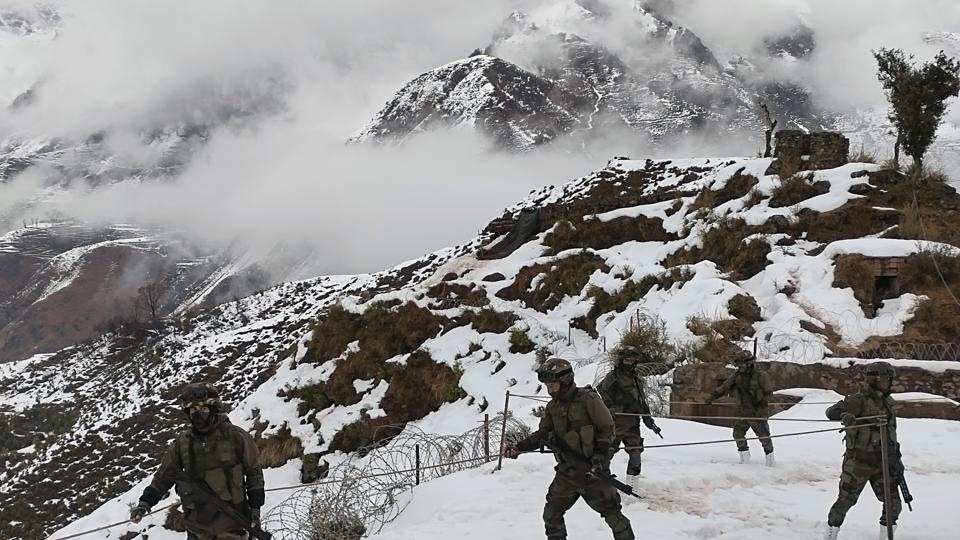
The response from India came three days after China and Pakistan issued the joint statement following a meeting between President Xi Jinping and Prime Minister Imran Khan in Beijing on February 6. China had opposed what it said were “any unilateral actions” in J&K – an apparent reference to India’s 2019 decision to scrap the special status of the region.
The joint statement had contained numerous references to the China-Pakistan Economic Corridor (CPEC), a flagship project of Beijing’s Belt and Road Initiative (BRI) that passes via PoK. India has not signed on for the BRI and has consistently opposed the CPEC.
Pointing to the said references, external affairs ministry spokesperson Arindam Bagchi said: “We have always rejected such references and our position is well known to China and Pakistan.”
He added, “In this instance too, we reject reference to J&K in the joint statement. The Union Territory of Jammu and Kashmir and the Union Territory of Ladakh have been, are and will always remain integral and inalienable parts of India. We expect the parties concerned not to interfere in matters that are internal affairs of India.”
Bagchi said, India has “consistently conveyed our concerns to China and Pakistan on the projects in the so-called CPEC, which are in India’s territory that has been illegally occupied by Pakistan”.
He added, “We resolutely oppose any attempts to change the status quo by other countries, as also by Pakistan, in the areas under the illegal occupation of Pakistan. We call upon the parties concerned to cease such activities.”
The joint statement had said the Pakistan side briefed the Chinese side on the latest developments in J&K, “including its concerns, position and pressing issues”.
The statement added, “The Chinese side reiterated that the Kashmir issue was a dispute left from history, and should be properly and peacefully resolved based on the UN Charter, relevant security council resolutions and bilateral agreements. China opposes any unilateral actions that complicate the situation.”
This is a position China has taken since India ended the special status of J&K in August 2019 and split the region into two Union territories. India has always rejected China’s position on this issue as interference in the country’s internal matters. The joint statement had quoted Khan as saying that the CPEC has “significantly contributed to Pakistan’s economic and social development” and both countries had acknowledged the contribution of projects included in the corridor in strengthening Pakistan’s role in regional connectivity.
Xi and Khan had reaffirmed their commitment to “ensuring the smooth operation of completed projects and the timely completion of projects under construction”. Both sides said they will safeguard the CPEC from “all threats and negative propaganda” and also called on third parties to invest in the corridor.