
 E-Paper



Jhiram Valley massacre: NIA court convicts all 10 accused in 2013 Maoist attack
The order on the quantum of punishment has been reserved for September 16.

 Prefer HTon Google


A special National Investigation Agency (NIA) court in Chhattisgarh's Bastar district on Saturday convicted all 10 accused in the 2013 Jhiram Valley Maoist attack case, in which 29 people, including senior Congress leaders, were killed.
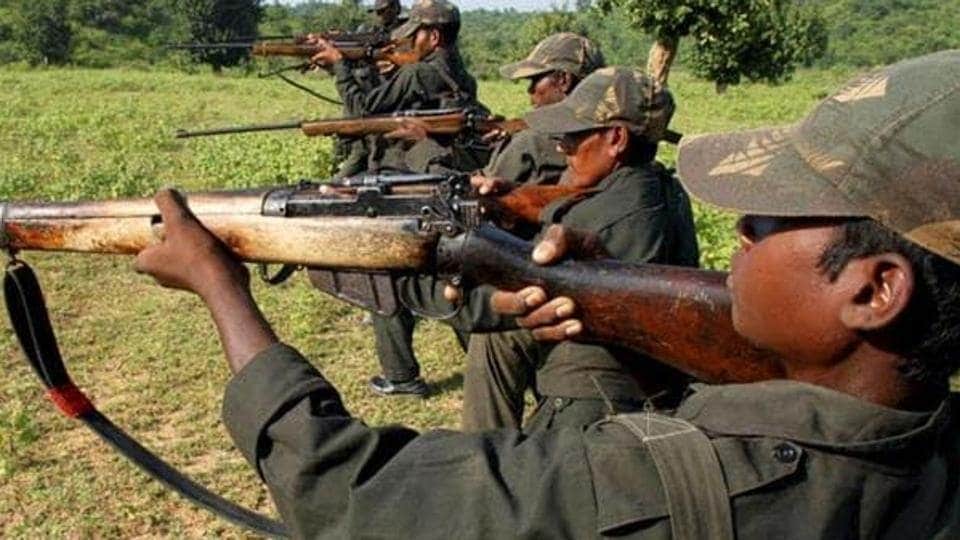
Special judge of the NIA court in Jagdalpur, Ajay Singh Rajput, convicted the 10 accused, including two women, defence lawyer Arvind Choudhary said. The court reserved the order on the quantum of punishment for September 16.
During the trial, statements of 101 witnesses were recorded, the defence lawyer said.
Who are the convicts?
The convicted accused are Pramila Modiyam, Chaitu Lekam, Sumitra Punem Modiyam, Mukka Mandavi, Kosa Kavasi, Aayata Markam, Madkami Deva, Joga Madkami, Banjami Sanna and Mahadev Nag.
"We will appeal against the verdict in the high court. We have not received a copy of the judgment yet. We will be able to give the grounds for appeal after receiving it," Choudhary said.
Also read: J&K Police identify terrorist killed in Budgam encounter as Pakistan resident, LeT member
He said the defence strongly presented its case and expressed hope that the accused would get justice from the high court.
Trial proceedings were initiated against 11 arrested accused in the case, of whom one died during the proceedings, Choudhary said.
Guddu Kavasi, brother of convicted accused Kosa Kavasi, claimed that his brother and Mukka Mandavi was falsely implicated in the case. He claimed Kosa Kavasi was involved in preparations for a family wedding when the attack took place, while Mandavi was also engaged in marriage preparations in the village.
"They were not there at the time of the attack. Those who were involved have surrendered and are living freely, while those who were not involved are paying the price. The families are distressed and shattered," Guddu said.
Also read: Chhattisgarh to review Maoist cases, clear way for accused in non-fatal offences
The attack took place on May 25, 2013, when Maoists ambushed the Congress' 'Parivartan Rally' on a national highway in Jhiram Valley under Darbha police station limits in Bastar district.
29 killed in attack
Twenty-nine people, including Congress leaders, civilians and security personnel were killed and more than 30 others were injured in the attack, which virtually wiped out the Congress' top leadership in the state at the time.
Also read: Jharkhand Police announce cash reward for info on last top Maoist, 5 accomplices
Those killed included then-state Congress chief Nand Kumar Patel and his son Dinesh, former leader of Opposition in the assembly Mahendra Karma, former Union minister Vidya Charan Shukla, and senior Congress leader and former MLA Uday Mudliyar. However, then chief minister, Amit Jogi, escaped with injuries.
The leaders were going for a rally organised ahead of the Chhattisgarh assembly elections later that year.
-kW0H-U20214218012MgB-250x250%40HT-Web.jpg)


