
 E-Paper



Lt Guv Baijal works on plan to scale up Covid-19 beds with community outreach
One model that Lt Governor Baijal intends to look at involves Resident Welfare Associations setting up beds with oxygen support in their common spaces such as community centres

 Prefer HTon Google


As Delhi stares at the possibility of running short of hospital beds for Covid-19 over the next month, Lt Governor Anil Baijal has convened a meeting of the Delhi Disaster Management Committee on Tuesday to explore the involvement of people to rapidly scale up the number of available beds, complete with oxygen support.
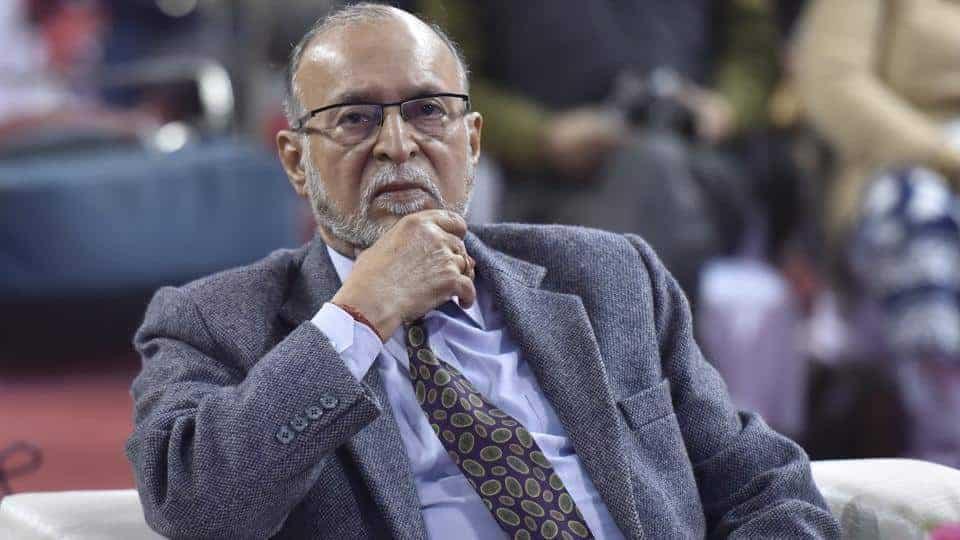
One model that Lt Governor Baijal intends to look at involves Resident Welfare Associations setting up beds with oxygen support in their common spaces such as community centres. This, one official said, would ensure that Covid-19 patients have some support closer to their homes if their oxygen levels fall.
Raj Niwas is also in touch with other social and spiritual organisations such as Radha Soami Satsang Beas in south Delhi’s Chattarpur that agreed to join the effort and loan their campus to help Covid-19 patients.
Representatives of a RWA in south Delhi’s Greater Kailash Part 1 would be a special invitee to Tuesday’s meeting and have been asked to make a presentation, a top government official told Hindustan Times.
The RWA of Greater Kailash’s Block E has set up beds with two oxygen concentrators as a backup plan to handle Covid-19 cases in the community after a local resident who fell ill had trouble getting admitted to hospital.
To be sure, the city government insists that Delhi has enough Covid-19 beds for now but there have been numerous complaints of hospitals turning back patients on one ground or the other. According to the government’s health bulletin, the city has 4,200 vacant Covid-19 beds in the national capital and only 4,800 were occupied.
Also read | Arvind Kejriwal, Amit Shah discuss Covid-19 as virus cases rise in Delhi
But it is not clear if there will be enough beds when the increase in the Covid-19 cases being reported everyday becomes sharper.
The health department has projected that the city’s Covid count could cross 1 lakh by the end of June and breach the 5 lakh-mark by July 31. It was initially estimated that the city would need 80,000 beds by next month-end. Once people from outside Delhi were allowed to get admitted to Delhi hospitals, the health department raised the projections for hospital beds in Delhi to 1.5 lakh beds by July 31.
Officials said beds with oxygen support could be installed at spaces made available by RWAs and other social organisations.
Sars-CoV-2, the virus that causes Covid-19, begins replicating in the upper respiratory tract of the patients from where it infects the lungs and causes severe respiratory symptoms.
Most people who contract the infection only suffer mild symptoms. Since there are no medicines available to treat the infection, doctors essentially try to manage the symptoms of their patients and put them on oxygen support if their oxygen saturation levels drop below the normal range of 90-97.


