
 E-Paper



Modi, Xi agreed to cherish, implement Wuhan consensus: China
Prime Minister Narendra Modi and Chinese President Xi Jinping on June 9 held talks on the sidelines of the SCO summit and covered key aspects of the bilateral engagement, reflecting the resolve by the two countries to reset relations and bring back trust in their ties, hit by the Dokalam standoff and other issues.

 Prefer HTon Google


China on Monday presented an upbeat picture of the talks between Prime Minister Narendra Modi and President Xi Jinping at Qingdao, saying they agreed to “cherish” the “positive momentum” generated by their Wuhan meeting and implement the “important consensus” reached at the summit.
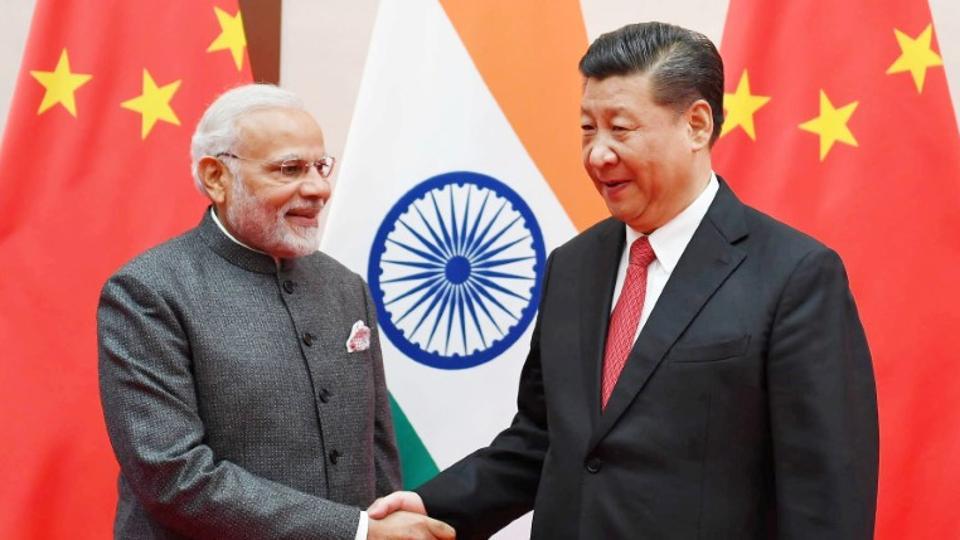
Modi and Xi on June 9 held talks on the sidelines of the Shanghai Cooperation Organisation (SCO) summit in the port city of Qingdao. The meeting covered key aspects of the bilateral engagement, reflecting the resolve by the two countries to reset relations and bring back trust in their ties, hit by the Doklam standoff and several other thorny issues.
Chinese Foreign Ministry spokesman Geng Shuang during a media briefing here today said, “The two leaders exchanged views on bilateral relations and issues of mutual interests. They also reached important consensus.”
“Both leaders believe that their informal summit in Wuhan played a positive role in moving forward the bilateral cooperation,” he said, responding a question on Modi-Xi meeting on the sidelines of the just-concluded Qingdao summit of the SCO.
“They agreed that the positive momentum should be cherished and they should implement the consensus reached in Wuhan,” Geng said.
They agreed to implement the consensus in areas of strategic communication and expanding people to people cooperation and move forward bilateral ties, he said.
The meeting was held in cordial atmosphere just like the Wuhan informal summit and it will surely contribute to the sound development of bilateral ties, he said.
The two sides also agreed to have high-level exchanges, formulate new trade goals and establish high-level people to people exchanges led by the two foreign ministries, he said.
Geng highlighted India’s decision to expedite approval procedures for the Bank of China’s request to set up a branch in Mumbai and agreements on exporting India’s rice to China and sharing of hydrological data by Beijing with New Delhi.
During the meeting, Xi and Modi agreed to hold the next informal summit in India next year besides resolving to continue efforts to ensure peace and tranquillity along the border.
On the outcome of the SCO summit, Geng said it “breathed new life to the Shanghai sprit, which is mutual respect which is mutual benefit, equality consultation, respect for diverse civilisations and pursuit of common development.”
“In the past 17 years the SCO has been growing. This is attributed in the final analysis to the fact that the Shanghai spirit transcended the outdated concepts of clash of civilisations, cold war the mind-set. SCO pursues no isolated and exclusive clubs,” he said.
The summit has established new action plan. The Leaders signed and approved 17 documents, six cooperation documents, more than any previous summits of the SCO, Geng said.
The summit also achieved concrete outcomes and made plans for promoting good neighbourliness and friendship, combating three evil forces of separatism, extremism and terrorism, he said.
“To implement this consensus is our priority task for the next phase. As founding member China regards SCO as a priority of its diplomacy. We will work with all member states to implement this consensus and make the SCO more efficient and more stronger and with brighter prospects,” he said.
The SCO was founded at a summit in Shanghai in 2001 by the presidents of Russia, China, Kyrgyz Republic, Kazakhstan, Tajikistan and Uzbekistan. India and Pakistan became its members last year. PTI KJV PMS AKJ PMS PMS


