E-Paper



MP Police issue sweeping guidelines restricting online activities of personnel
Police chief Kailash Makwana issued the guidelines to maintain discipline and protect the force’s public image

 Prefer HTon Google


The Madhya Pradesh Police on Tuesday issued sweeping guidelines restricting social media use and monetisation by their personnel.
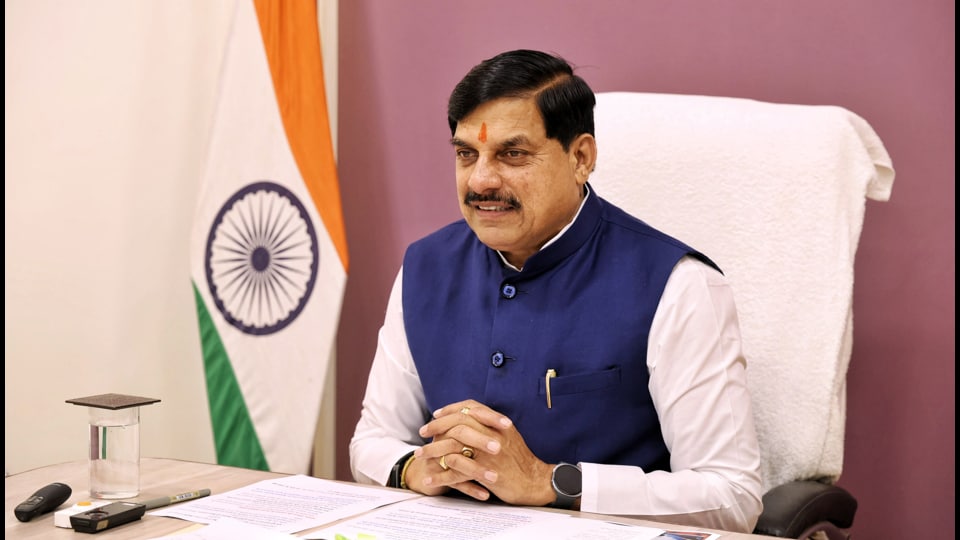
An officer, who did not wish to be named, said police chief Kailash Makwana issued the guidelines to maintain discipline and protect the force’s public image after complaints about comments linked to caste and religion, which raised trust issues.
The guidelines, issued days after chief minister Mohan Yadav met top police officers, prohibit uploading reels, photos, or videos in uniform or indecent attire during or after duty. They require the removal of any previously posted inappropriate content. “Family-related posts that compromise dignity or feature uniforms, police vehicles, or weapons are also banned. ...personnel is barred from posting or reacting to caste, religion, or gender-based discriminatory content, as well as obscene, malicious, erroneous, or unverified information in online groups,” say the guidelines.
Police personnel cannot follow or befriend people with criminal records or suspicious reputations, nor can they share photos or videos with them. They are prohibited from using political symbols, organisational logos, or protest imagery, and from participating in online polls.
The personnel have been instructed against commenting on matters related to national security, governance, or policy. Self-promotion of successes and achievements, paid promotions, or advertising are banned. “If any income is generated through social media, details must be reported within 30 days,” say the guidelines.
The use of social media has been banned during duty hours, including posting or live-streaming of VIP security, weapon training, raids, or drills. The guidelines say that police personnel are prohibited from using AI tools for official purposes, uploading government or sensitive documents to platforms such as ChatGPT or Gemini, or creating personal accounts using Closed User Group SIMs, government Wi-Fi, or official email IDs.
“During sensitive duty, personnel must keep geo-tagging and location services active on their mobile phones. They are barred from posting unsealed photos/videos of seized goods or weapons during investigations.”
The guidelines say that police personnel cannot reveal any techniques and tactics. “These must remain confidential. Disclosure of police strategies, field craft, or investigative methods requires prior approval from competent authorities. “
The guidelines strictly prohibit sharing information related to ongoing investigations or court cases that may affect proceedings, as well as posting photos/videos of victims, witnesses, or accused persons during inquiries or public hearings.