
 E-Paper



NEP will help children learn effectively, 2023 our target for textbooks: NCERT chief
The new National Education Policy (NEP), with its focus on imparting a strong foundation to students, can go a long way in ensuring lesser dropouts, National Council of Educational Research and Training (NCERT) director Hrushikesh Senapaty has said.


The new National Education Policy (NEP), with its focus on imparting a strong foundation to students, can go a long way in ensuring lesser dropouts, National Council of Educational Research and Training (NCERT) director Hrushikesh Senapaty has said. In an interview, Senapaty also spoke about NCERT’s future plans. Edited excerpts:
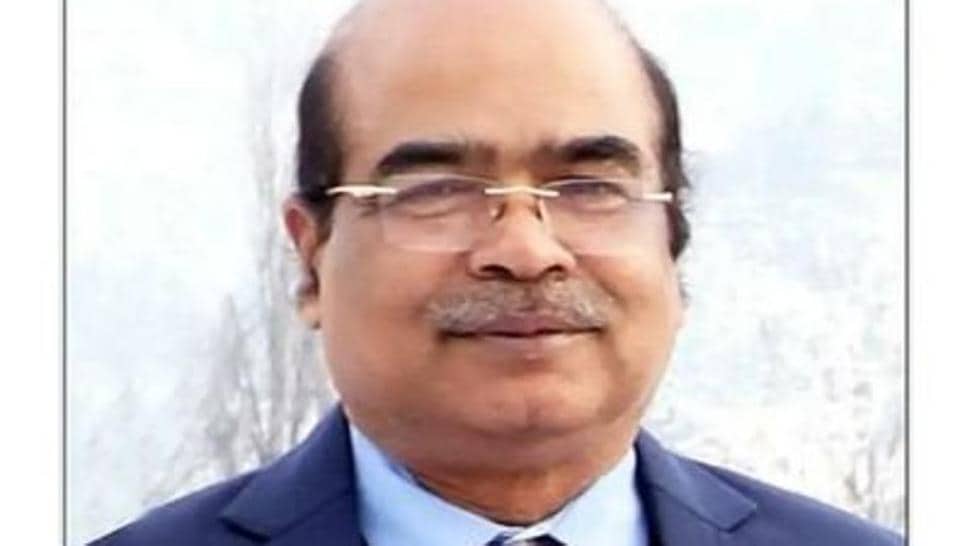
How do you view NEP 2020?
There is more focus on the multi-disciplinary approach. Another significant thing is the foundation...from the beginning, we can prepare our children. Like the literacy, numeracy mission, the government is focusing on this. It will help our children to learn effectively. Our foundation is often not strong and children, when they go to higher classes, drop out. If you are careful in the beginning, there will be no drop-outs. That will bring a significant change in the educational scenario. This will be a game-changer. There is also a focus on vocational education.
You are required to set up a new national curriculum framework. Will you set up a committee for this?
It is in the process. A committee will be constituted. We have already sent the file to the [education] ministry. The ministry will finalise the names for the steering committee. We may notify, but it will be approved by the ministry. [Education] minister Ramesh Pokhriyal Nishank is NCERT president.
NEP focuses on multilingualism, including the mother tongue. How will NCERT work towards this?
Normally, as per the previous practice, we bring textbooks in Hindi, English, and Urdu. These books are then translated into different languages by the state governments. In Hindi-speaking states, there is no problem but in other regions, they are translated. It is not binding on states that they should use but most of them do. As per the new policy, the local flavour should also be there.
Will NCERT develop the curriculum but also rely on states to impart local flavour?
Definitely. The curriculum framework will be common. We will come out with a curriculum based on a process approved by the CABE [Central Advisory Board of Education that has] all state education ministers as members. The common core, constitutional values, and other things will all be there. But we should also take into account the local things particularly in social sciences so that the children of a particular area know about local history, local geography, etc.
What are the new subjects students will be studying in schools?
We are working on it. We will come out with a working paper on what are the emerging areas that should be included in our curriculum. The policy has also given some directions. Coding, other emerging areas, will be there. The policy mentions areas like computational thinking.
Have you set a timeline for bringing in new textbooks?
We have already prepared a timeline. We will try to complete the NCF before March 2021 because that will help us to develop syllabus and monitoring committees. One set of books will be ready by April 2022 and another by April 2023. So 2023 is our target so that we come out with all the new textbooks.


